


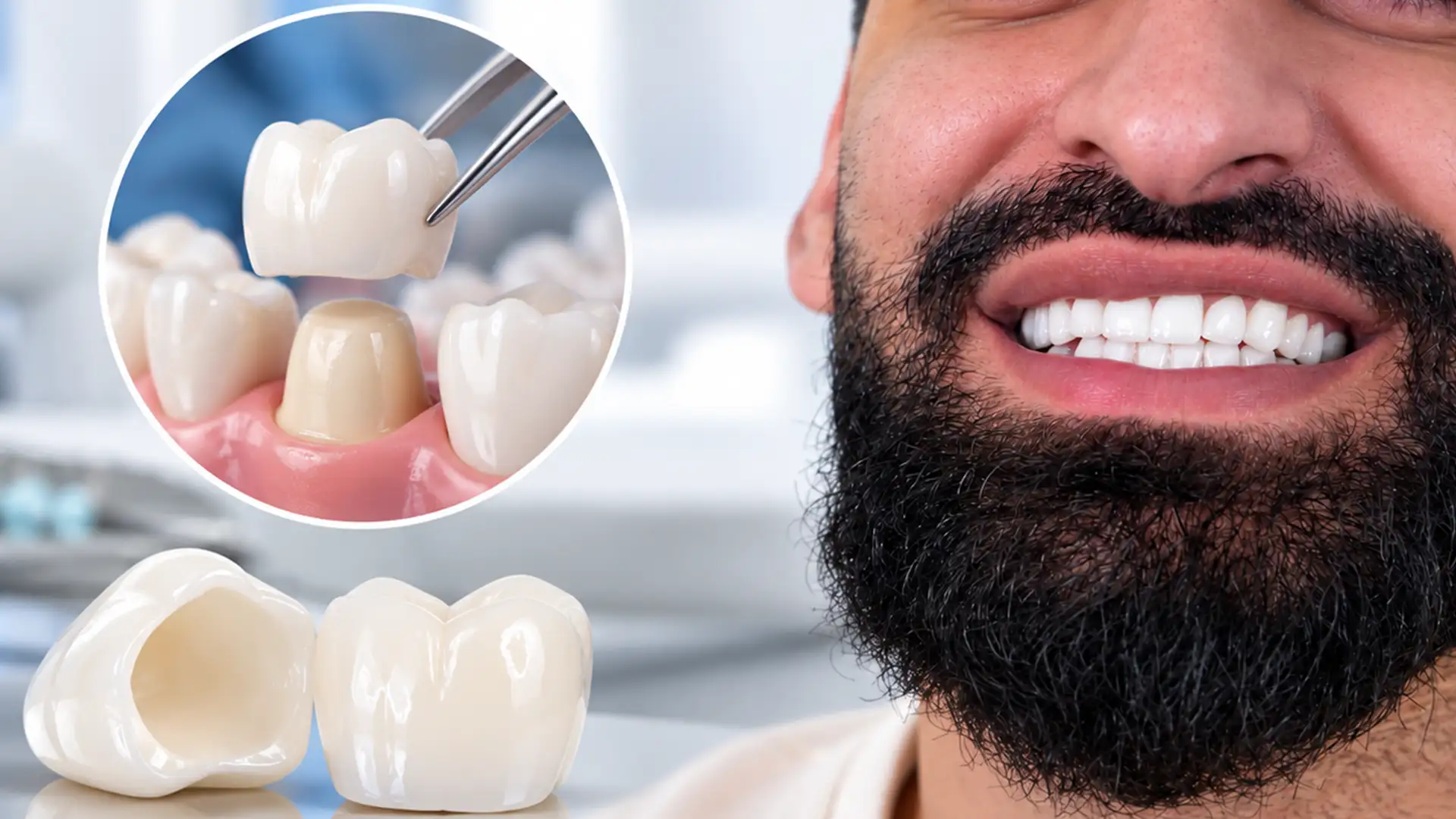
Zirconia crowns are a type of dental crown made from zirconia-based ceramic, designed to restore the appearance and chewing function of teeth. Their tooth-like appearance and durable structure make them suitable for both front and back teeth. They may be used to restore teeth that are broken, worn, severely discolored, or weakened by large fillings.
Zirconia crowns are custom-made to suit each patient’s dental anatomy and oral health needs. Before treatment, the dentist evaluates the teeth and gums, takes the necessary impressions or scans, and plans the shape, shade, and bite alignment of the crowns. Properly designed crowns aim to provide a natural-looking result while restoring comfortable chewing function.
| Anesthesia | Usually local anesthesia |
| Procedure Time | Approximately 30–60 minutes per tooth (preparation stage) |
| Treatment Duration | Usually 5–7 days (may vary by patient) |
| Number of Visits | Usually 2–3 appointments |
| Crown Lifespan | 10–15 years or longer with proper care |
| Return to Daily Activities | Usually the same day |
If you are considering zirconia crown treatment in Turkey, you can explore our guide to zirconia crowns in Turkey for more information about the treatment process in Istanbul, appointment planning, and current prices.
Who Is a Suitable Candidate for Zirconia Crowns?
Zirconia crowns may be suitable for people who want to improve the appearance of their teeth or protect damaged teeth. However, not every tooth needs a crown. The decision depends on the condition of the tooth, the amount of healthy tooth structure remaining, and the patient’s overall oral health.
Zirconia crowns may be recommended in the following situations:
- Broken or worn teeth: When the tooth’s shape and chewing function need to be restored.
- Teeth with large fillings: When the remaining tooth structure is weakened and a crown is considered appropriate for protection.
- Severe discoloration: When tooth discoloration cannot be adequately corrected with treatments such as teeth whitening.
- Irregular tooth shape: When the size, shape, or appearance of a tooth needs to be modified.
- Root canal-treated teeth: Particularly when a tooth has lost a significant amount of its structure and requires a crown.
- Replacing old crowns: When existing crowns no longer fit properly or their aesthetic appearance has deteriorated.
Patients with gum disease, active tooth decay, or significant bite problems should have these conditions evaluated before crown treatment. For healthy teeth, more conservative treatment options may be considered to avoid unnecessary removal of natural tooth structure. A dentist determines whether zirconia crowns are appropriate after a clinical examination.
How Are Zirconia Crowns Placed?
Zirconia crown treatment involves examining the teeth, preparing them for the crowns, and placing custom-made restorations. Treatment can usually be completed in 2–3 appointments, although the process may vary depending on the number of teeth and any additional procedures required.
Dental Examination and Treatment Planning
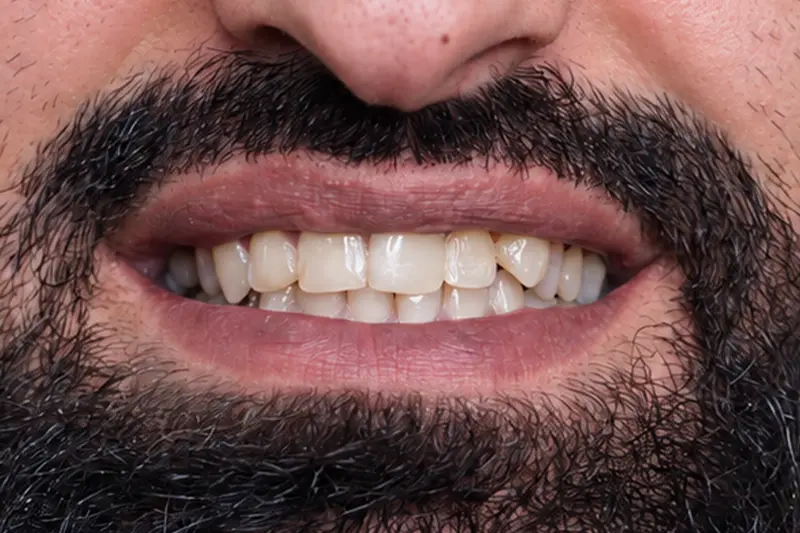
During the initial examination, the dentist evaluates the teeth, gums, and bite alignment. X-rays may be taken if necessary. The teeth requiring crowns are identified, and a treatment plan is developed based on the patient’s natural tooth shade, facial features, and expectations.
Tooth Preparation and Impressions
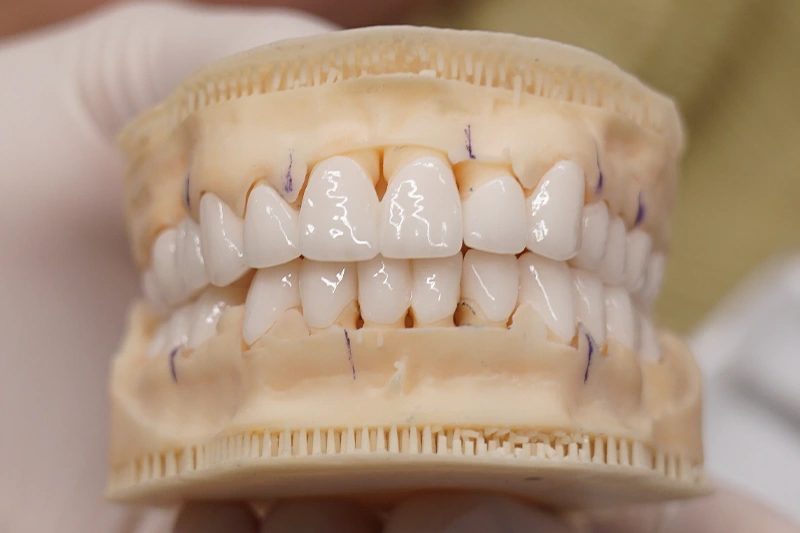
The teeth are carefully prepared, usually under local anesthesia, to create sufficient space for the crowns. Digital scans or conventional impressions are then taken. Custom zirconia crowns are fabricated using these measurements. Temporary crowns may be placed while the permanent restorations are being prepared.
Crown Try-In and Final Placement
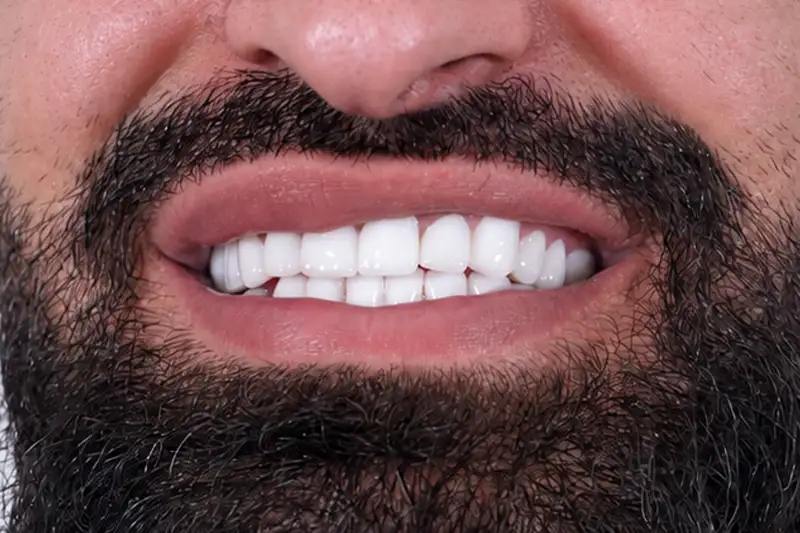
The dentist checks the fit, shade, and bite alignment of the zirconia crowns. After any necessary adjustments, the crowns are secured to the teeth using suitable dental cement. The bite is checked again, and the patient receives instructions on caring for the new crowns.
Types of Zirconia Crowns
Types of zirconia crowns vary according to the structure of the material and the manufacturing technique. The most suitable type is selected based on the tooth’s position, aesthetic requirements, and the forces it experiences during chewing.
Monolithic Zirconia Crowns
Monolithic zirconia crowns are made from a single piece of zirconia ceramic. Because they do not have a separate porcelain layer, there is no risk of an outer porcelain layer chipping or separating. Their durable structure makes them particularly suitable for back teeth exposed to greater chewing forces. Modern high-translucency zirconia options can also provide a more natural tooth-like appearance.
Porcelain-Layered Zirconia Crowns
Porcelain-layered zirconia crowns consist of a zirconia framework covered with an aesthetic porcelain layer. This technique allows more detailed control over tooth shade transitions and surface characteristics. It may be preferred for front teeth when achieving a natural appearance is particularly important. However, the outer porcelain layer may develop cracks or chips over time.
Both types of zirconia crowns have advantages and limitations. The dentist selects the most appropriate option after considering the tooth’s location, bite alignment, teeth-grinding habits, and aesthetic needs.
Before Zirconia Crown Treatment
Before zirconia crown treatment, the dentist evaluates the health of the teeth and gums. A treatment plan is prepared based on the condition of the teeth requiring crowns, bite alignment, and the patient’s aesthetic expectations.
Before starting treatment, the following points should be considered:
- Dental examination: The current condition of the teeth is assessed, and X-rays are taken when necessary.
- Oral health: Any existing tooth decay or gum problems should be treated before crown placement.
- Shade and shape selection: The color, size, and shape of the crowns are planned to blend naturally with the surrounding teeth.
- Teeth grinding or clenching: If the patient has a habit of grinding or clenching their teeth, this is considered when selecting the crowns and planning protective measures.
- Treatment planning: The number of teeth requiring crowns, necessary preparation procedures, and appointment schedule are determined.
For crowns placed on front teeth, the natural tooth shade, facial features, and smile line should be considered together to achieve a harmonious appearance. Preserving as much healthy tooth structure as possible is also an important part of treatment planning.
After Zirconia Crown Treatment
After zirconia crown treatment, patients can usually return to their daily activities on the same day. Mild tooth sensitivity or an unfamiliar feeling while adjusting to the new crowns may occur during the first few days. These symptoms generally improve within a short period.
To help maintain zirconia crowns in good condition over the long term, the following recommendations should be followed:
- First few hours: If local anesthesia was used, avoid eating until the numbness has completely worn off.
- Diet: Avoid biting into very hard foods during the first few days. Do not use the crowns to crack ice or hard-shelled foods.
- Oral hygiene: Brush your teeth at least twice daily and use dental floss or suitable interdental cleaning tools.
- Teeth grinding: Patients who grind or clench their teeth may be advised to wear a night guard.
- Regular dental checkups: The fit of the crown margins, gum health, and bite alignment should be checked periodically.
If you experience persistent pain in a crowned tooth, discomfort while chewing, or the feeling that the crown is too high when biting down, consult your dentist. Although zirconia crowns themselves cannot develop cavities, the natural tooth structure underneath can still decay, making regular oral hygiene essential.
Advantages of Zirconia Crowns
Zirconia crowns are a restorative dental option that combines aesthetic appearance with durability. They are particularly useful for achieving a natural-looking smile while restoring the function of damaged teeth.
The main advantages of zirconia crowns include:
- Natural appearance: Zirconia crowns can be made in shades that closely match natural teeth. Selecting the appropriate type of zirconia can help achieve a harmonious appearance.
- Durability: Their resistance to chewing forces makes them suitable for both front and back teeth.
- Metal-free structure: Because zirconia crowns do not contain a metal framework, they do not produce the dark reflections sometimes associated with metal-based restorations.
- Biocompatibility: Zirconia is a ceramic material that is generally well tolerated in the oral environment.
- Color stability: The ceramic surface of zirconia crowns may be more resistant to external staining than natural tooth enamel.
- Custom-made design: The shape, size, and shade of each crown can be planned to complement the patient’s natural teeth and smile.
To benefit from these advantages, proper treatment planning, accurate crown fabrication, and consistent oral hygiene are essential. The most suitable crown material may vary from one patient to another.
Disadvantages and Risks of Zirconia Crowns
Although zirconia crowns are a durable and aesthetically appealing treatment option, they may not be suitable for every patient. Like other types of dental crowns, they have certain limitations and potential risks.
The main considerations and potential disadvantages of zirconia crowns include:
- Removal of natural tooth structure: A certain amount of natural tooth structure must be removed to make room for the crown. This is an irreversible procedure.
- Tooth sensitivity: Temporary sensitivity to hot or cold foods and drinks may occur after treatment.
- Chipping or cracking: Although zirconia is a durable material, crowns can still be damaged by excessive chewing forces, trauma, or teeth grinding.
- Gum problems: Poorly fitting crown margins or inadequate oral hygiene may lead to plaque buildup and gum inflammation.
- Decay beneath the crown: Zirconia itself cannot develop cavities, but the natural tooth underneath the crown can still decay.
- Difficulty changing the shade: Once a permanent crown has been placed, changing its color is not straightforward. For this reason, the shade should be selected carefully before treatment.
Proper treatment planning, accurate crown fabrication, a well-adjusted bite, and consistent oral hygiene all help reduce these risks. If you experience persistent pain, a loose crown, or discomfort while chewing, a dental examination is necessary.
Zirconia vs. Porcelain Crowns: What’s the Difference?
The main difference between zirconia and porcelain crowns lies in the materials used. Zirconia crowns are made from zirconia-based ceramic, while traditional porcelain-fused-to-metal crowns consist of a metal framework covered with porcelain. Both options can improve the appearance of teeth and restore chewing function.
| Feature | Zirconia Crowns | Porcelain-Fused-to-Metal Crowns |
|---|---|---|
| Material | Metal-free zirconia ceramic | Metal framework covered with porcelain |
| Aesthetic Appearance | Can provide a natural tooth-like appearance | The metal framework may limit light transmission |
| Durability | High strength and durability | Durable, although the porcelain layer may chip |
| Gum Appearance | No dark reflections caused by a metal framework | The metal margin may become visible in some cases |
| Suitable Teeth | Front and back teeth | Front and back teeth |
Which is better? The answer depends on the patient’s dental condition and treatment needs. Zirconia crowns may be preferred when aesthetic expectations are particularly high. However, the tooth’s position, bite alignment, remaining natural tooth structure, and long-term functional requirements should all be considered when selecting a crown material.
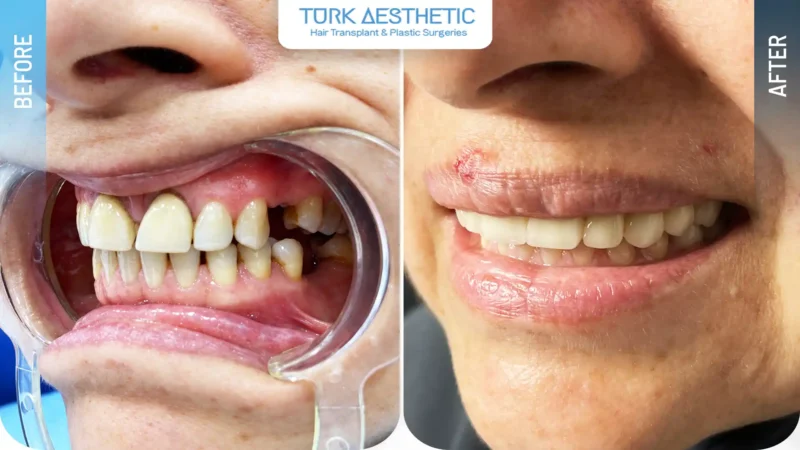
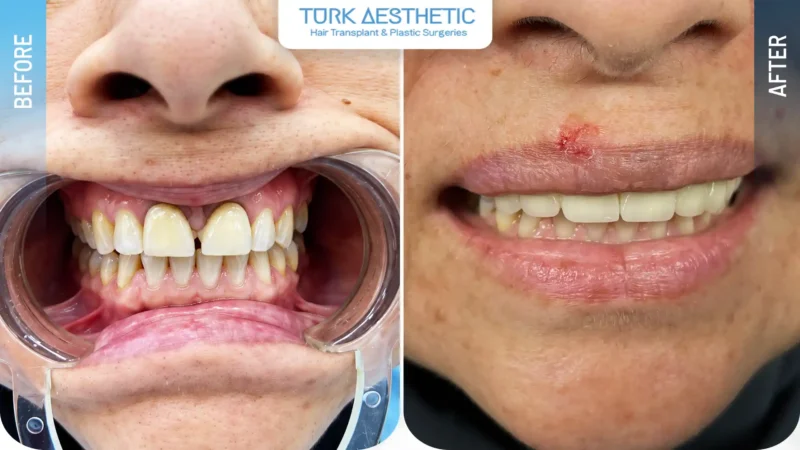
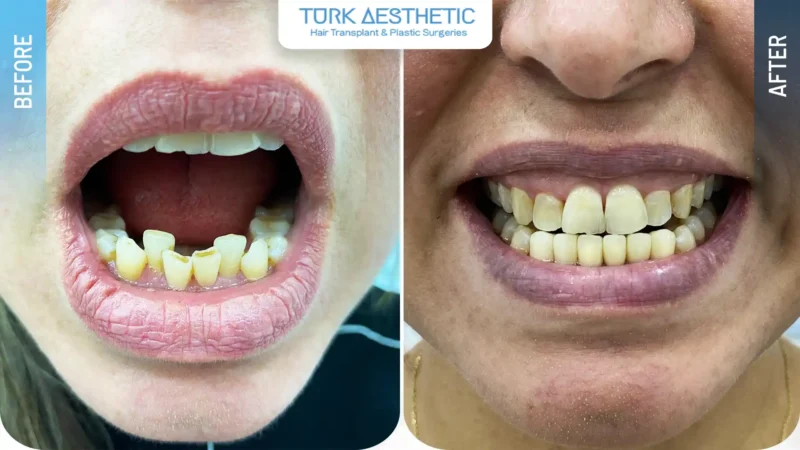
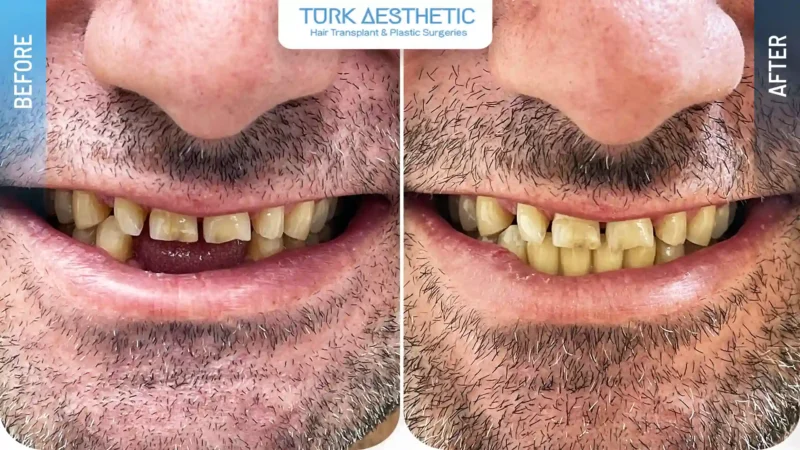
Zirconia Crowns Before and After
The difference seen in zirconia crowns before and after treatment depends on the initial condition of the teeth, the number of crowns placed, and the treatment plan. The goal is to achieve a more balanced appearance in terms of tooth color, shape, and size while supporting proper chewing function.
Noticeable aesthetic improvements may be achieved when restoring broken, worn, or severely discolored teeth or replacing old crowns. However, the aim is not simply to create whiter teeth, but to achieve a smile that complements the patient’s facial features and natural teeth.
Before-and-after photos can help illustrate the changes that may be achieved with zirconia crowns. However, results vary from person to person because every patient has a different dental structure and starting condition.
Frequently Asked Questions
How long do zirconia crowns last?
Zirconia crowns can typically last 10–15 years or longer. Their lifespan depends on oral hygiene, teeth-grinding habits, crown fit, and regular dental checkups.
Are zirconia crowns painful?
Tooth preparation is usually performed under local anesthesia, so pain is not generally expected during the procedure. Mild sensitivity may occur after the anesthesia wears off.
How long does zirconia crown treatment take?
Treatment can usually be completed within 5–7 days over 2–3 appointments. The exact duration depends on the number of crowns, laboratory production time, and any additional dental treatments required.
Do zirconia crowns turn yellow?
The ceramic surface of zirconia crowns is resistant to discoloration. However, plaque and surface stains can still accumulate. Regular oral hygiene and professional cleaning help maintain their appearance.
Can zirconia crowns break?
Zirconia is a strong material, but it is not completely resistant to damage. Biting hard objects, trauma, or teeth grinding may cause crowns to crack or fracture.
Can a tooth decay under a zirconia crown?
Yes. Although zirconia itself cannot develop cavities, the natural tooth underneath the crown can still decay. Regular brushing, flossing, and dental checkups are therefore important.
Do zirconia crowns cause bad breath?
Properly fitted zirconia crowns are not expected to cause bad breath on their own when good oral hygiene is maintained. However, plaque buildup, gum disease, or decay around the crown may contribute to unpleasant breath.
Can zirconia crowns be removed and reattached?
In some cases, a crown can be removed without damage, but this is not always possible. If replacement is necessary, the existing crown may need to be cut off.
Are zirconia crowns better than dental veneers?
These treatments serve different purposes. Dental veneers are generally used to improve the appearance of front teeth while removing less natural tooth structure. Zirconia crowns cover more of the tooth and may be suitable when additional structural support is needed. The appropriate option is determined through a dental examination.
When can I eat after getting zirconia crowns?
If local anesthesia was used, it is recommended to wait until the numbness wears off before eating. After permanent crown placement, follow your dentist’s instructions based on the dental cement used. Avoiding very hard foods during the first few days may also be helpful.