


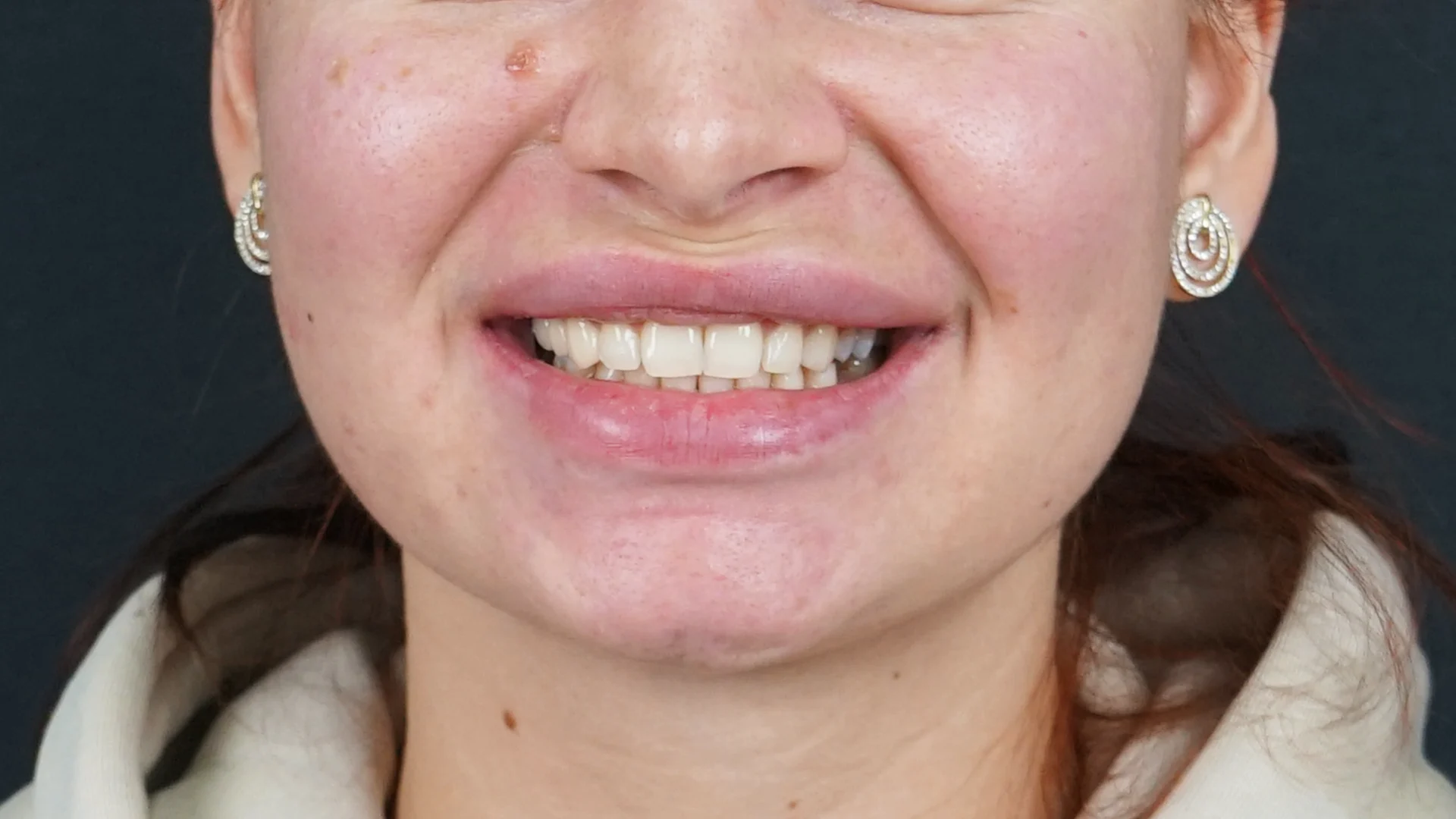
Dental crowns are used to restore the shape, strength, and chewing function of teeth that are damaged, broken, worn down, or have lost a significant amount of their natural structure. A custom-made crown covers the visible portion of the tooth, helping support the remaining tooth structure while improving its function and appearance.
Dental crown treatment may be recommended when large fillings are no longer sufficient, the tooth has become weakened, or additional protection is needed after root canal treatment. The type of crown and treatment plan are determined according to the condition of the tooth, oral anatomy, and the patient’s individual needs.
| Anesthesia | Usually local anesthesia |
| Number of Appointments | Usually 2–3 appointments |
| Treatment Duration | Usually 3–7 days (may vary depending on laboratory preparation) |
| Hospital Stay | Not required |
| Return to Daily Activities | Usually the same day |
| Crown Lifespan | Usually 10–15 years or longer, depending on care and use |
Patients considering treatment in Turkey can explore our guide to dental crowns in Turkey for more information about the treatment process, procedures in Istanbul, and prices.
When Are Dental Crowns Needed?
Dental crowns may be recommended when the natural tooth structure has weakened or more conservative treatments, such as fillings, cannot provide sufficient strength. The aim is to protect the remaining tooth structure, support chewing function, and restore the tooth’s shape.
A dental crown may be considered in the following situations:
- Broken teeth: When a large portion of the tooth has fractured and a filling cannot provide adequate restoration.
- Extensive tooth decay: When the remaining tooth structure is weakened after the decay has been removed.
- Teeth with large fillings: When an existing filling occupies a significant portion of the tooth, increasing the risk of fracture.
- Root canal-treated teeth: Particularly back teeth that have lost substantial tooth structure and require additional protection.
- Worn teeth: When teeth lose their original shape or height due to clenching, grinding, or long-term wear.
- Changes in tooth shape: When the natural shape of a tooth has been significantly altered and less invasive treatments are insufficient.
Not every broken, decayed, or root canal-treated tooth requires a crown. The need for treatment is determined by evaluating the remaining healthy tooth structure, root and gum health, chewing forces, and available alternative treatments.
How Are Dental Crowns Placed?
Dental crown treatment involves preparing a damaged or weakened tooth and placing a custom-made crown over it. The procedure generally consists of three main steps.
Examination and Tooth Preparation
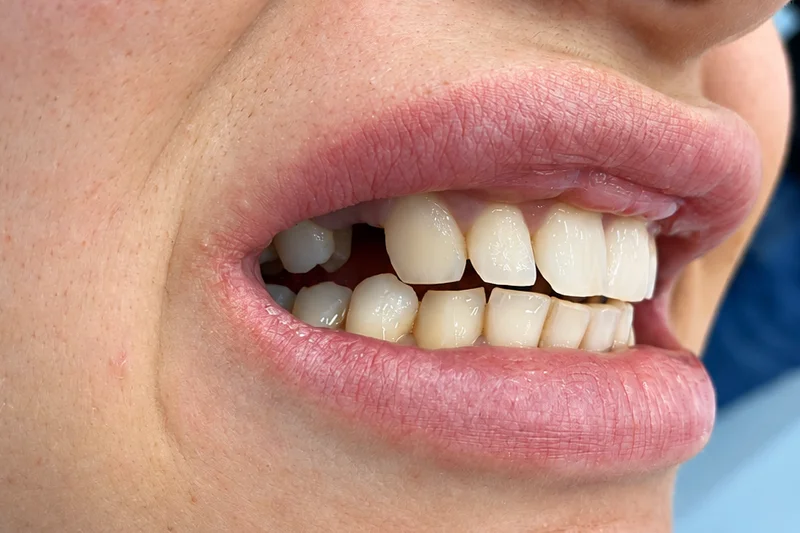
The dentist first examines the tooth and takes X-rays when necessary. After removing decay or damaged tissue, the tooth is shaped to accommodate the crown. This step is usually performed under local anesthesia.
Taking Impressions and Making the Crown
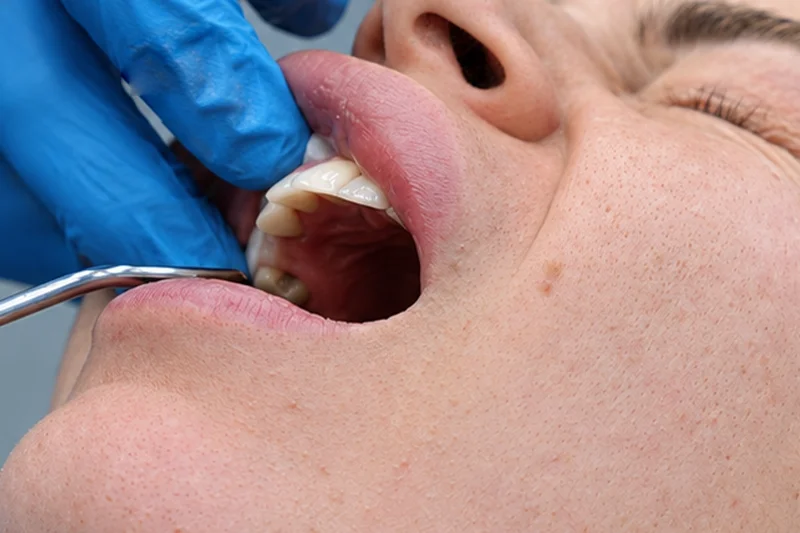
An impression of the prepared tooth is taken using a digital scanner or conventional impression materials. The crown is custom-made to match the tooth’s shape and bite. A temporary crown may be placed if needed.
Crown Fitting and Cementation
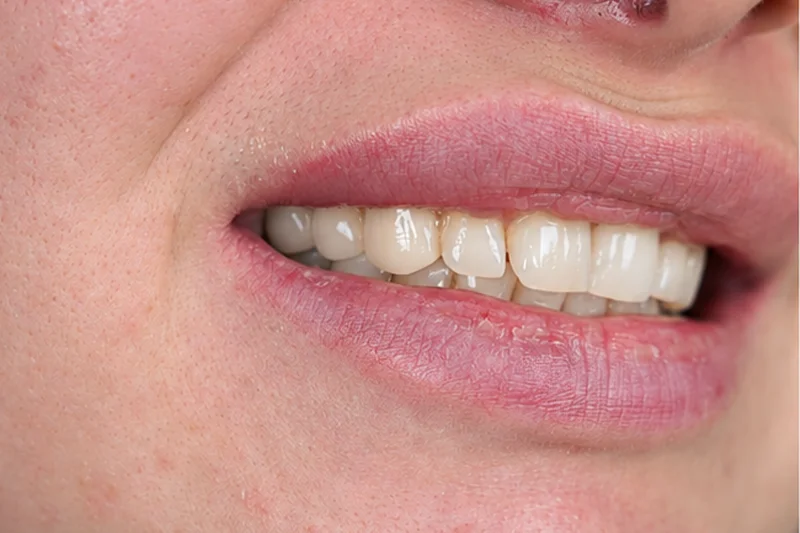
The dentist checks the crown’s fit, appearance, and bite alignment. After making any necessary adjustments, the crown is secured using dental cement. The patient then receives instructions on how to care for the crown.
Types of Dental Crowns
The materials used for dental crowns differ in terms of durability, appearance, and suitability for different teeth. The most appropriate type of crown depends on the tooth’s location, chewing forces, and the patient’s individual needs.
Zirconia Crowns
Zirconia crowns can be used for both front and back teeth because of their durability and aesthetic properties, which allow them to closely resemble natural teeth.
Porcelain-Fused-to-Metal Crowns
Porcelain-fused-to-metal crowns are made by applying a porcelain layer over a metal framework. They can be used for teeth that require additional strength, although their aesthetic properties may differ from those of all-ceramic crowns.
All-Ceramic Crowns
All-ceramic crowns are made without metal and may be considered when achieving a natural tooth appearance is a priority. Lithium disilicate ceramics, such as E-max, belong to this category.
Before Dental Crown Treatment
Before dental crown treatment, it is important to assess the health of the tooth and surrounding tissues. Existing dental and oral health problems are evaluated to help ensure that the crown can function properly and remain in good condition over time.
The main factors to consider before treatment include:
- Tooth and gum health: Active tooth decay and gum problems should be treated before placing a crown.
- Tooth root condition: X-rays may be taken when necessary to evaluate the roots and surrounding tissues.
- Teeth clenching and grinding: These habits may affect the crown’s durability and should be discussed with the dentist.
- Crown selection: The material is chosen according to the tooth’s location, chewing forces, and aesthetic expectations.
- Medical information: Patients should inform their dentist about medications, existing medical conditions, and known allergies.
If the tooth has extensive structural damage or an infection, additional treatment may be required before placing the crown. For this reason, each treatment plan is developed according to the condition of the tooth.
After Dental Crown Treatment
After dental crown treatment, patients can usually return to their daily activities on the same day. Mild sensitivity or a short adjustment period may occur during the first few days. Maintaining good oral hygiene and attending regular dental checkups are important for keeping the crown in good condition over time.
Important aftercare recommendations include:
- Eating and drinking: If local anesthesia was used, avoid chewing until the numbness has completely worn off. It is also advisable to avoid very hard foods during the first few days.
- Oral hygiene: Brush your teeth twice a day and clean around the crown using dental floss or suitable interdental cleaning tools.
- Tooth sensitivity: Temporary sensitivity to hot and cold foods or drinks may occur. Contact your dentist if the pain persists or becomes worse.
- Habits that may damage the crown: Chewing ice, biting hard objects, or opening packages with your teeth can damage the crown.
- Teeth grinding: Patients who clench or grind their teeth at night may be advised to use a protective night guard.
If the crown becomes loose or fractured, feels too high when biting, or causes persistent gum discomfort, a dental examination is recommended. Proper care and regular checkups can help extend the crown’s lifespan.
Advantages of Dental Crowns
Dental crowns can help restore both the function and appearance of damaged or weakened teeth. They are often considered when a filling cannot provide sufficient strength or protection for the remaining tooth structure.
- Tooth protection: A crown surrounds weakened tooth structure and may help reduce the risk of fracture.
- Improved chewing function: Restoring the shape of a damaged tooth can make chewing more comfortable.
- Natural appearance: The crown’s shape, size, and color can be customized to blend with the surrounding teeth.
- Durability: With appropriate material selection and regular care, dental crowns can last for many years.
- Restoration of severely damaged teeth: In some cases, a crown may help preserve a significantly damaged tooth and avoid extraction, provided enough healthy tooth structure remains.
These benefits depend on the tooth’s initial condition, the crown material, and proper treatment planning. Not every tooth requires a crown, and more conservative treatments may be preferable when appropriate.
Side Effects and Risks of Dental Crowns
Dental crown treatment is generally considered safe and is widely performed. However, as with any dental procedure, some side effects may occur after treatment, and complications can develop over time. These risks vary depending on the condition of the tooth, the crown material, and oral hygiene habits.
- Tooth sensitivity: Temporary sensitivity to hot and cold foods or drinks may occur, particularly during the first few days.
- Gum irritation: Temporary sensitivity or irritation may develop around the crown. Poor crown fit or inadequate oral hygiene can contribute to gum inflammation.
- Bite problems: If the crown is too high, it may cause discomfort or pain when chewing. Your dentist can usually correct this by adjusting the crown.
- Crown fracture or loosening: Hard foods, teeth clenching, or the gradual weakening of dental cement may cause the crown to become damaged or loose.
- Decay beneath the crown: A crown does not completely protect the tooth from decay. New cavities may develop, particularly around the crown margins, if proper oral hygiene is not maintained.
- Tooth nerve complications: In some cases, inflammation of the dental pulp may develop after treatment, making root canal treatment necessary.
To reduce these risks, it is important to ensure that the crown fits properly, maintain good oral hygiene, and attend regular dental checkups. Contact your dentist if you experience severe or persistent pain, notice that the crown is moving, or develop significant gum swelling.
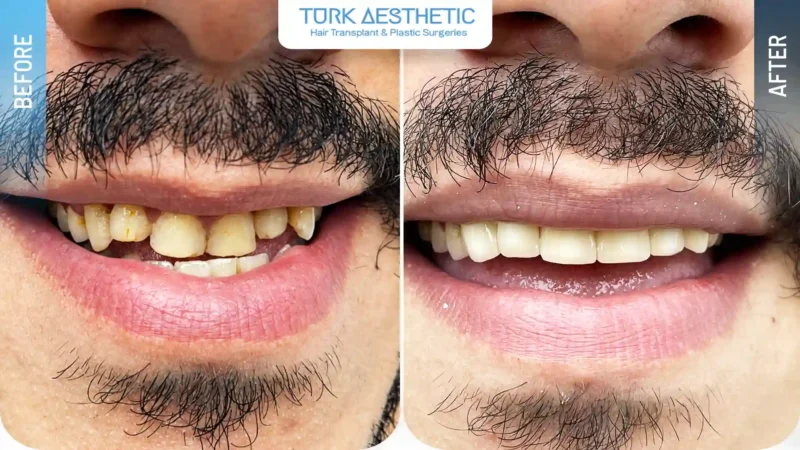
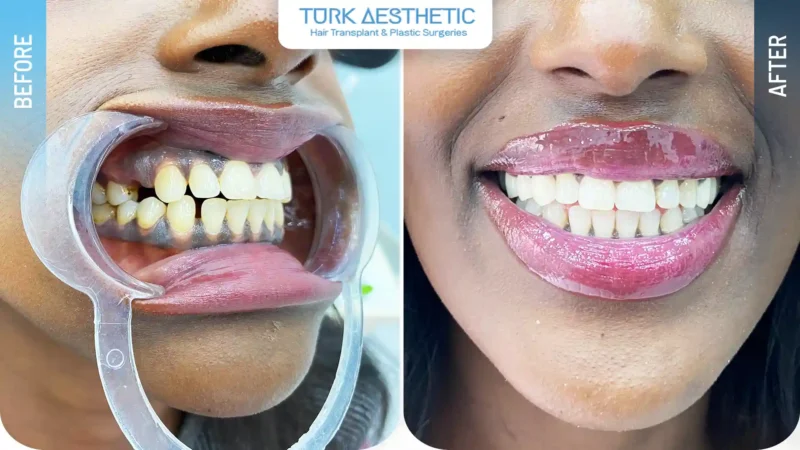
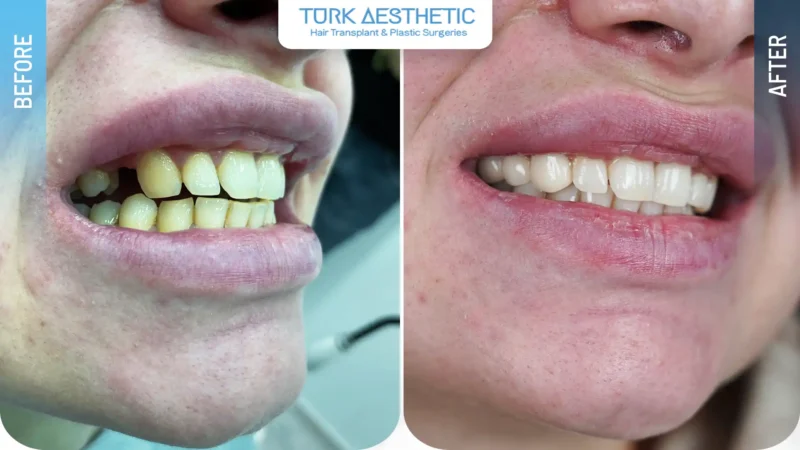
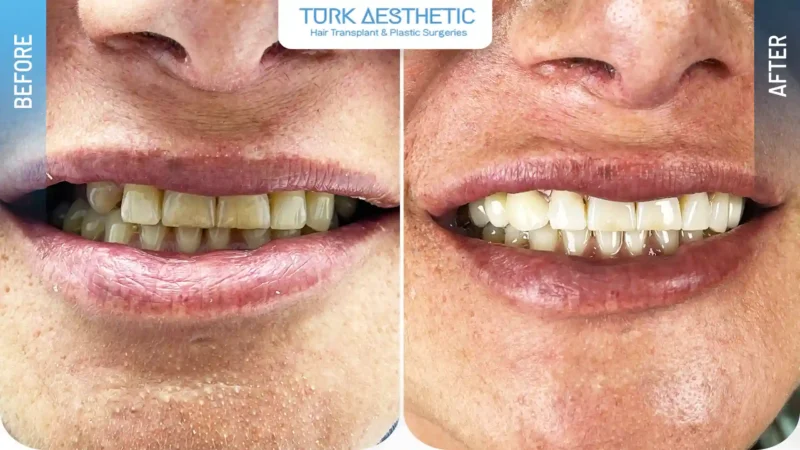
Dental Crowns Before and After
The changes seen in dental crowns before and after treatment depend on the initial condition of the tooth and the procedure performed. Broken, worn, or severely damaged teeth can be reshaped using custom-made crowns designed to meet each patient’s needs.
Dental crown treatment aims to restore the tooth’s shape, color, and size to achieve an appearance close to that of natural teeth while improving chewing function. Results may vary depending on the crown material, the remaining tooth structure, and the patient’s oral anatomy.
The following dental crowns before and after photos show examples of the changes that may be achieved with treatment. Each patient’s initial dental condition and treatment outcome are different.
Frequently Asked Questions
Is getting a dental crown painful?
Dental crown treatment is usually performed under local anesthesia, so pain is not expected during the procedure. Mild sensitivity may occur for a few days after the anesthesia wears off. Contact your dentist if you experience severe or persistent pain.
How long do dental crowns last?
Dental crowns typically last 10–15 years. However, their lifespan depends on the crown material, oral hygiene, teeth grinding habits, and regular dental checkups. Well-maintained crowns may last longer.
How long does it take to get a dental crown?
Dental crowns made using conventional methods can usually be completed in 2–3 appointments over approximately 3–7 days. Laboratory preparation, the condition of the tooth, and any additional treatments may affect this timeframe. In suitable cases, digital systems may allow crowns to be made more quickly.
When can I eat after getting a dental crown?
If local anesthesia was used, wait until the numbness has completely worn off before eating. After the permanent crown is cemented, follow your dentist’s instructions regarding the type of cement used. Avoiding very hard or sticky foods during the first few days may be helpful.
Do I need a root canal before getting a dental crown?
No, root canal treatment is not necessary before every dental crown procedure. If the tooth’s nerve is healthy, a crown can be placed on a vital tooth. However, root canal treatment may be required if the dental pulp is infected or has irreversible inflammation.
Can a tooth decay under a crown?
Yes, decay can develop in the natural tooth structure beneath a crown, particularly around its margins. A crown does not completely protect the tooth from cavities. Regular brushing, flossing, and dental checkups are important.
What should I do if my dental crown falls off?
If a crown comes off, keep it if possible and contact your dentist as soon as possible. Do not attempt to reattach it using household adhesives. Your dentist will examine the crown and underlying tooth to determine whether it can be recemented or needs replacement.
Can a dental crown be removed and replaced?
Yes, dental crowns that are worn, fractured, or no longer fit properly can be removed and replaced when necessary. However, the condition of the underlying tooth must be evaluated during removal. Whether a new crown can be placed depends on the health and amount of remaining tooth structure.