


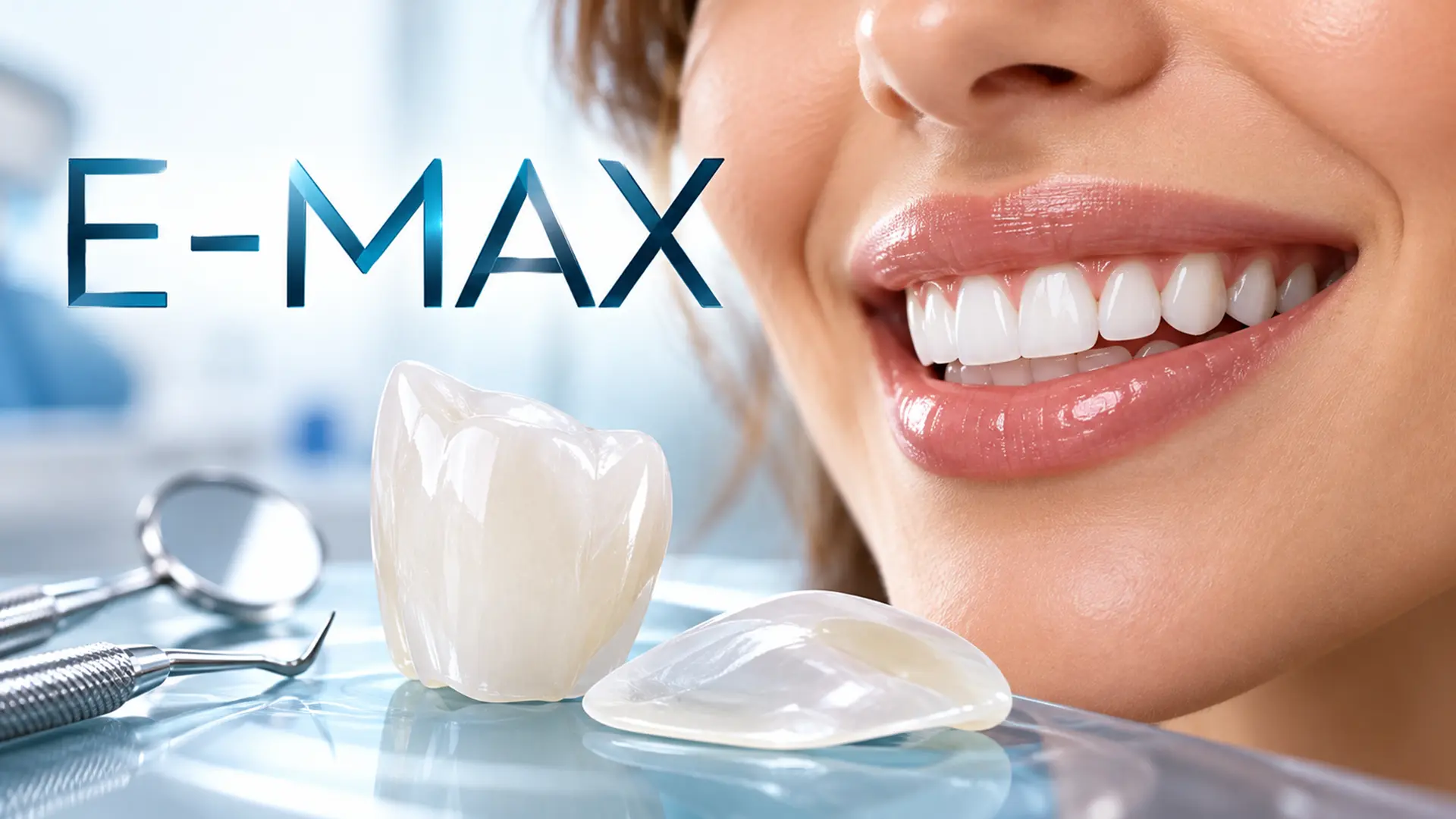
E-max dental crowns are ceramic restorations with high translucency, used especially on the front teeth to achieve a natural and aesthetic appearance. Because they contain no metal substructure, they can provide a look that closely resembles the color and light-reflecting properties of natural teeth.
E-max crowns may be considered for teeth with discoloration, shape irregularities, wear, fractures, or certain aesthetic concerns. Their suitability is determined by the dentist based on the current condition of the teeth, the bite, and the expected outcome of treatment.
| Quick Information | E-max Dental Crowns |
|---|---|
| Material | Lithium disilicate ceramic |
| Most Commonly Used For | Front teeth and aesthetic areas |
| Contains Metal? | No |
| Anesthesia | Local anesthesia when needed |
| Average Clinic Visits | Approximately 3 visits |
| Recommended Stay | Approximately 6–7 days |
If you are planning to have the treatment in Turkey, you can find more information about prices and the treatment process in Istanbul in our article on E-max dental crowns in Turkey.
Who Are E-max Dental Crowns Suitable For?
E-max dental crowns may be considered for people who want to improve the appearance of their front teeth and whose dental structure is suitable for this type of restoration. Due to their color and translucency, which closely resemble natural teeth, they are often preferred in areas where aesthetics are especially important.
E-max crowns may be considered particularly in the following situations:
- Teeth with persistent discoloration.
- Teeth that require aesthetic improvement in shape or size.
- Worn, cracked, or partially damaged teeth.
- For aesthetic correction of small gaps between teeth.
- When a natural-looking restoration is desired, particularly in the front teeth.
However, E-max may not be suitable for every tooth or every patient. The amount of tooth loss, bite relationship, teeth clenching or grinding habits, and the area where the restoration will be placed are evaluated before selecting the appropriate type of restoration.
How Are E-max Dental Crowns Applied?
The E-max dental crown procedure begins with an evaluation of the current condition of the teeth and is completed with the placement of the prepared restorations. Although the steps may vary depending on the treatment plan, the process generally consists of the following stages.
Examination, Planning and Tooth Preparation
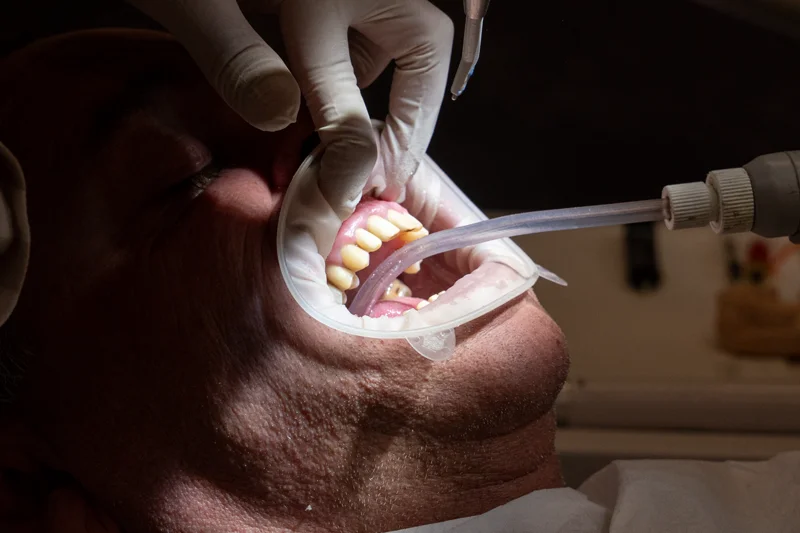
The condition of the teeth and gums is evaluated, and imaging may be performed when necessary. After determining which teeth will receive E-max crowns and defining the aesthetic goals, a treatment plan is prepared. When necessary, the tooth surface is reduced by the required amount so that the crown can be placed properly. Local anesthesia may be used depending on the extent of the procedure.
Impressions, Shade Selection and Preparation of E-max Crowns
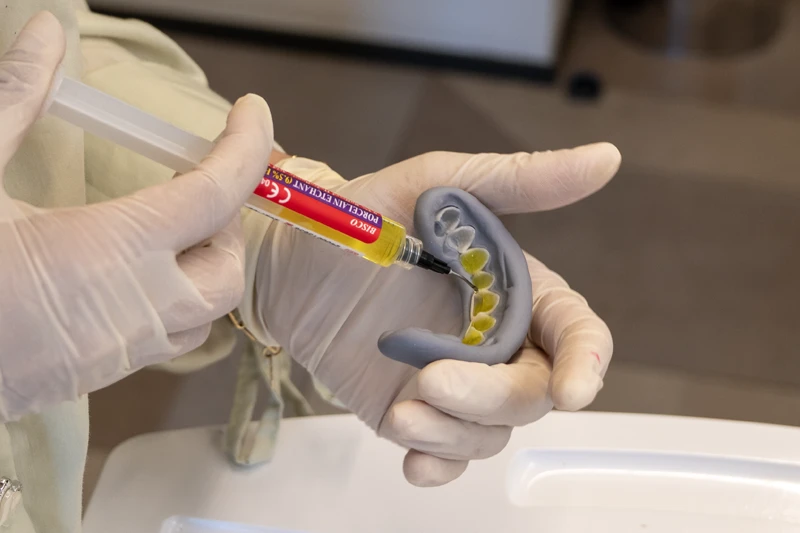
Impressions of the prepared teeth are taken using digital or conventional methods. The appropriate shade, shape, and size are selected to achieve a look that blends naturally with the surrounding teeth. E-max crowns are then prepared according to the impressions and treatment plan, and their fit with the teeth is evaluated.
Placement of E-max Crowns
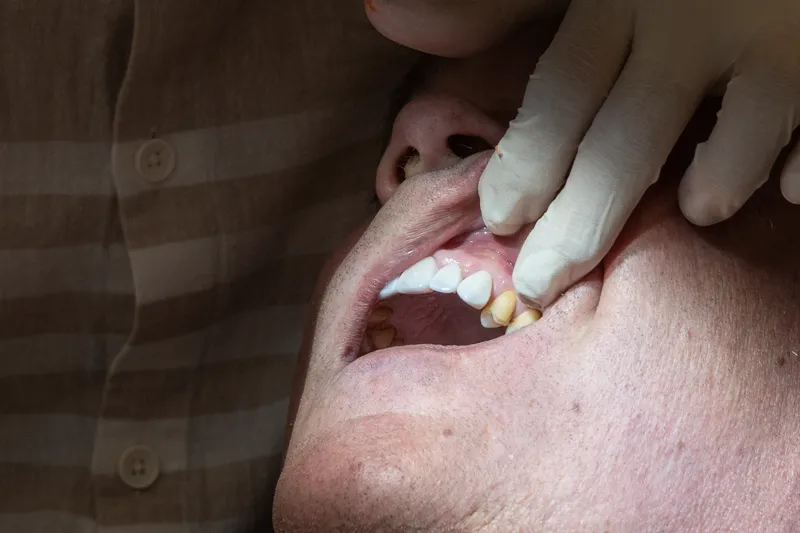
The fit, shade, and bite relationship of the prepared E-max crowns are checked. After any necessary adjustments are completed, the restorations are bonded to the teeth using appropriate dental materials, followed by final checks.
Types of E-max Dental Restorations
E-max dental restorations can be applied in different forms depending on the current condition of the tooth, the amount of restoration required, and the aesthetic goals. The most commonly considered options are E-max crowns and E-max veneers.
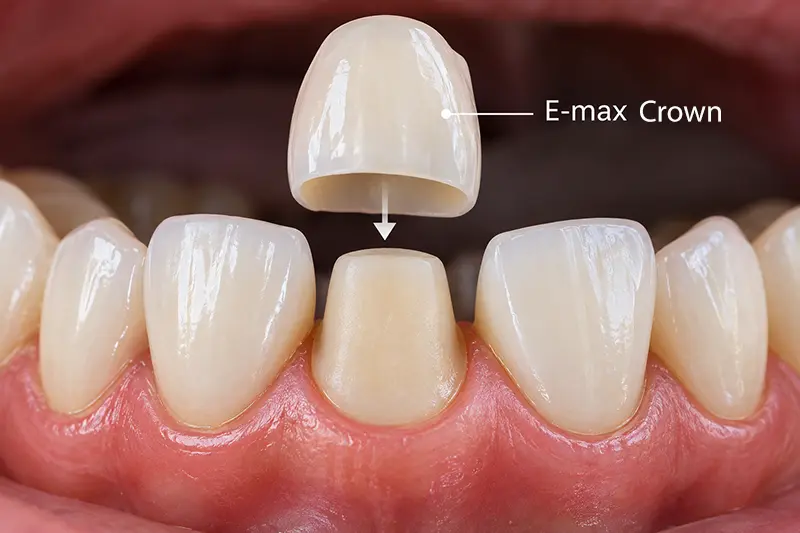
E-max Crown
An E-max crown surrounds the visible portion of the tooth and provides a more comprehensive restoration. It may be considered for teeth that require a crown because of discoloration, wear, fracture, or significant loss of tooth structure. A natural-looking result is particularly important in highly visible aesthetic areas.
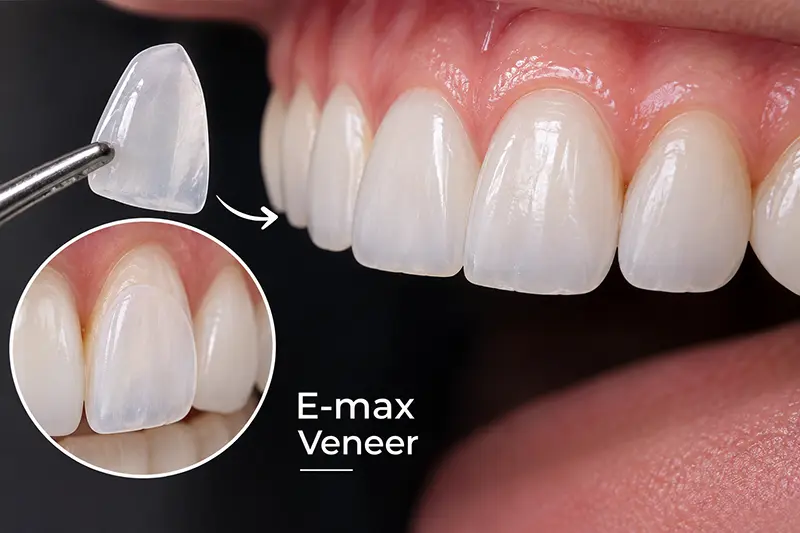
E-max Veneer
An E-max veneer is a thinner ceramic restoration that is usually applied to the front surface of the tooth. It may be considered when most of the natural tooth can be preserved and aesthetic concerns such as color, shape, size, or small gaps need to be improved.
The choice between a crown and a veneer is not based on aesthetic expectations alone. The appropriate option is determined by evaluating the current condition of the tooth, the bite, and the functional requirements of the restoration.
Before E-max Dental Crowns
Before receiving E-max dental crowns, it is important to evaluate the teeth, gums, and bite relationship. The aim is not only to determine the desired tooth shade and shape but also to assess whether an E-max restoration is suitable for the current condition of the teeth.
The following points are particularly evaluated before treatment:
- The teeth are checked for decay, cracks, and the condition of any existing restorations.
- Gum health is evaluated, and periodontal treatment may be planned first when necessary.
- The bite and any teeth clenching or grinding habits are assessed.
- The number, shape, and existing shade of the teeth to be treated with E-max are examined.
- The patient’s desired tooth shade and aesthetic expectations are considered during treatment planning.
If the examination shows that the teeth are not suitable for E-max, other crown or restoration options may be considered. The treatment plan is prepared individually with the aim of preserving as much healthy tooth structure as possible while achieving a natural-looking result.
After E-max Dental Crowns
After E-max dental crowns are placed, the fit of the new restorations with the teeth and bite is checked. During the first few days, the crowns may feel slightly different in the mouth, and temporary tooth sensitivity may occur. This usually decreases over time.
To help protect E-max crowns and maintain oral health after treatment, the following points are recommended:
- Brush the teeth regularly and clean between them using appropriate methods.
- Avoid biting or breaking very hard foods directly with the crowns.
- A night guard may be recommended when necessary for people who clench or grind their teeth.
- If a crown feels too high, causes discomfort when biting, or sensitivity persists, a dental check-up is recommended.
- Regular dental check-ups and professional oral care should not be neglected.
E-max crowns require regular care just like natural teeth. The crown itself does not decay, but maintaining the health of the natural tooth underneath and around it, as well as the surrounding gums, is important for the long-term use of the restoration.
Advantages of E-max Dental Crowns
E-max dental crowns are one of the options used to create natural-looking restorations, particularly for teeth where aesthetic expectations are high. Their metal-free ceramic structure and translucency are among the main features of E-max crowns.
- Natural appearance: Their translucency can help create an appearance similar to natural tooth enamel.
- Metal-free: Because no metal substructure is used, a more natural appearance can be achieved, particularly in aesthetic areas.
- Shade matching: They can be prepared in different shades to match the surrounding teeth.
- Suitable for aesthetic areas: They may be considered for improving the color, shape, and size of teeth, especially the front teeth.
- Smooth surface: With proper care, the ceramic surface can help maintain the aesthetic appearance of the restoration.
- Different restoration options: Depending on the patient’s dental condition and needs, E-max can be used as a crown or veneer.
Despite these advantages, E-max may not be the most suitable option for every tooth. The area where the restoration will be placed, the condition of the tooth, and the bite forces should be evaluated when selecting the appropriate material.
Disadvantages and Possible Risks of E-max Dental Crowns
Although E-max dental crowns offer several aesthetic advantages, they may not be suitable for every tooth or every patient. Factors such as the location and condition of the tooth, bite forces, and teeth clenching habits should be considered when selecting the restoration material.
- Fracture or cracking: Excessive force, biting very hard foods, or an unsuitable bite may cause the ceramic restoration to crack or fracture.
- Tooth sensitivity: Temporary sensitivity to hot and cold may occur, particularly during the initial period after tooth preparation.
- Tooth preparation: With crown restorations, a certain amount of the natural tooth surface may need to be reduced to create sufficient space for the crown.
- May not be suitable for every area: Different restorative materials may be more appropriate for some teeth exposed to high chewing forces.
- Teeth clenching and grinding: Uncontrolled bruxism can increase the forces placed on E-max restorations and may affect their longevity.
Appropriate patient selection, proper treatment planning, and regular oral care are important for reducing potential problems. When E-max is not suitable, other restorative options may be considered according to the location and needs of the tooth.
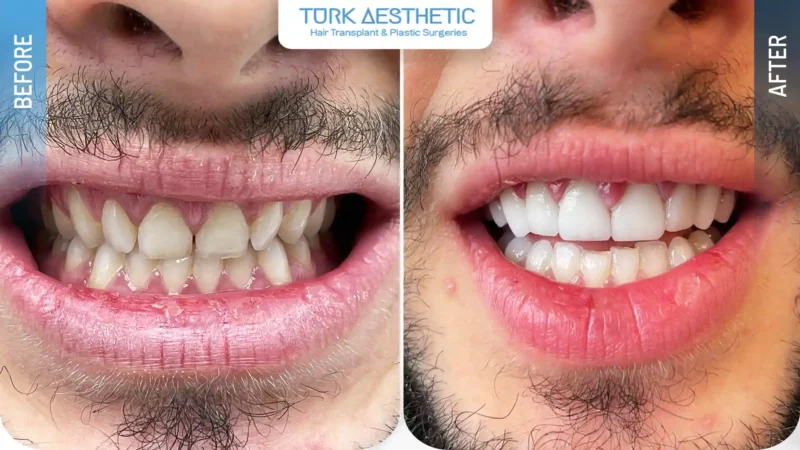
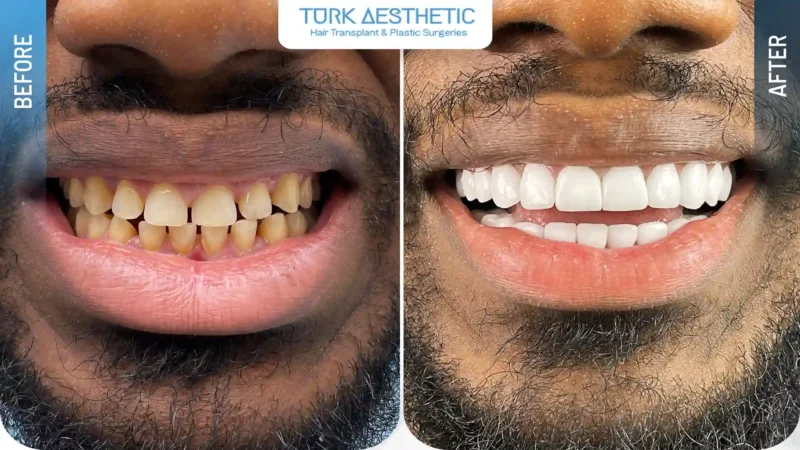
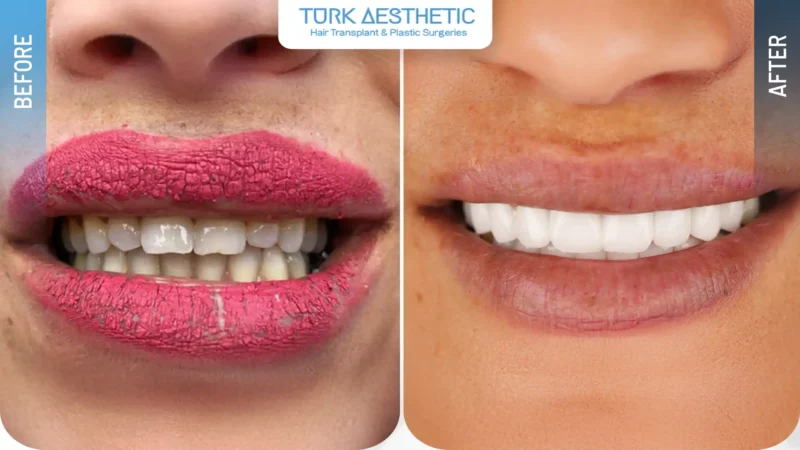
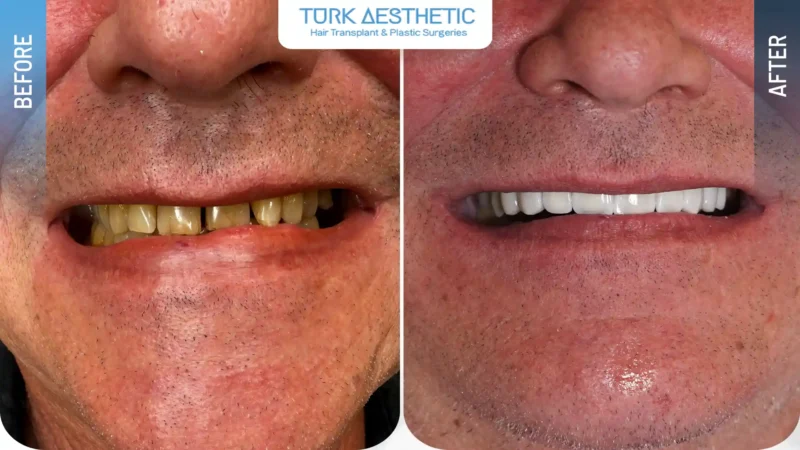
E-max Dental Crowns Before and After
The difference between E-max dental crowns before and after treatment can vary depending on the initial color, shape, and size of the teeth and the extent of the planned restoration. The aim of treatment planning is not simply to achieve lighter teeth, but to create a natural appearance that complements the face and smile.
E-max restorations can be used to improve differences in tooth color, wear, small fractures, shape irregularities, and certain gaps that affect the appearance of the smile. The shade, form, and size of the restorations are evaluated together with the surrounding teeth to achieve a more balanced smile.
Results vary from person to person. The condition of the natural teeth, the type of E-max restoration used, and the number of teeth being treated are among the main factors that determine the extent of the before-and-after change.
Frequently Asked Questions
How Long Do E-max Crowns Last?
The longevity of the crowns depends on factors such as oral care, bite forces, teeth clenching habits, and regular dental check-ups. Good care and appropriate use can help the restorations last for many years.
What Is the Difference Between E-max and Zirconia?
E-max may be preferred particularly in the front teeth because of its translucency and aesthetic properties that closely resemble natural teeth. Zirconia is a restorative material with different strength and usage characteristics. The appropriate option is determined according to the location of the tooth, the bite, and treatment needs.
Do E-max Crowns Stain?
The ceramic surface is more resistant to staining than natural tooth enamel. However, the surrounding natural teeth and deposits along the gum line can affect the overall appearance over time. Regular oral care is therefore important.
Can E-max Crowns Break?
There may be a risk of cracking or fracture when the ceramic restoration is exposed to excessive force, biting hard objects, an unsuitable bite, or teeth clenching.
Which Teeth Can E-max Be Used On?
These restorations may be considered particularly for front and visible teeth where aesthetics are important. The appropriate teeth are determined by considering the existing tooth structure and chewing forces.
Do Teeth Need to Be Reduced for E-max?
Depending on the type of restoration and the current condition of the tooth, a certain amount of the tooth surface may need to be reduced. The amount of preparation required may differ between E-max crowns and veneers.
Is the E-max Procedure Painful?
Local anesthesia may be used when necessary during tooth preparation. Some patients may experience temporary sensitivity after the procedure.
How Many Visits Are Needed for E-max Crowns?
Although the treatment process varies by case, it generally requires several clinic visits. Examination, tooth preparation, impressions, preparation of the restorations, and final placement are the main stages of the process.
Can E-max Crowns Be Replaced Later?
When necessary, an existing crown can be removed and a new restoration prepared. The need for replacement and the appropriate method should be evaluated according to the current condition of the tooth.
How Should E-max Crowns Be Cared For?
The crowns should be maintained with regular brushing, cleaning between the teeth, and routine dental check-ups. Avoiding the use of teeth to break hard objects and managing teeth clenching habits when present are also important.