


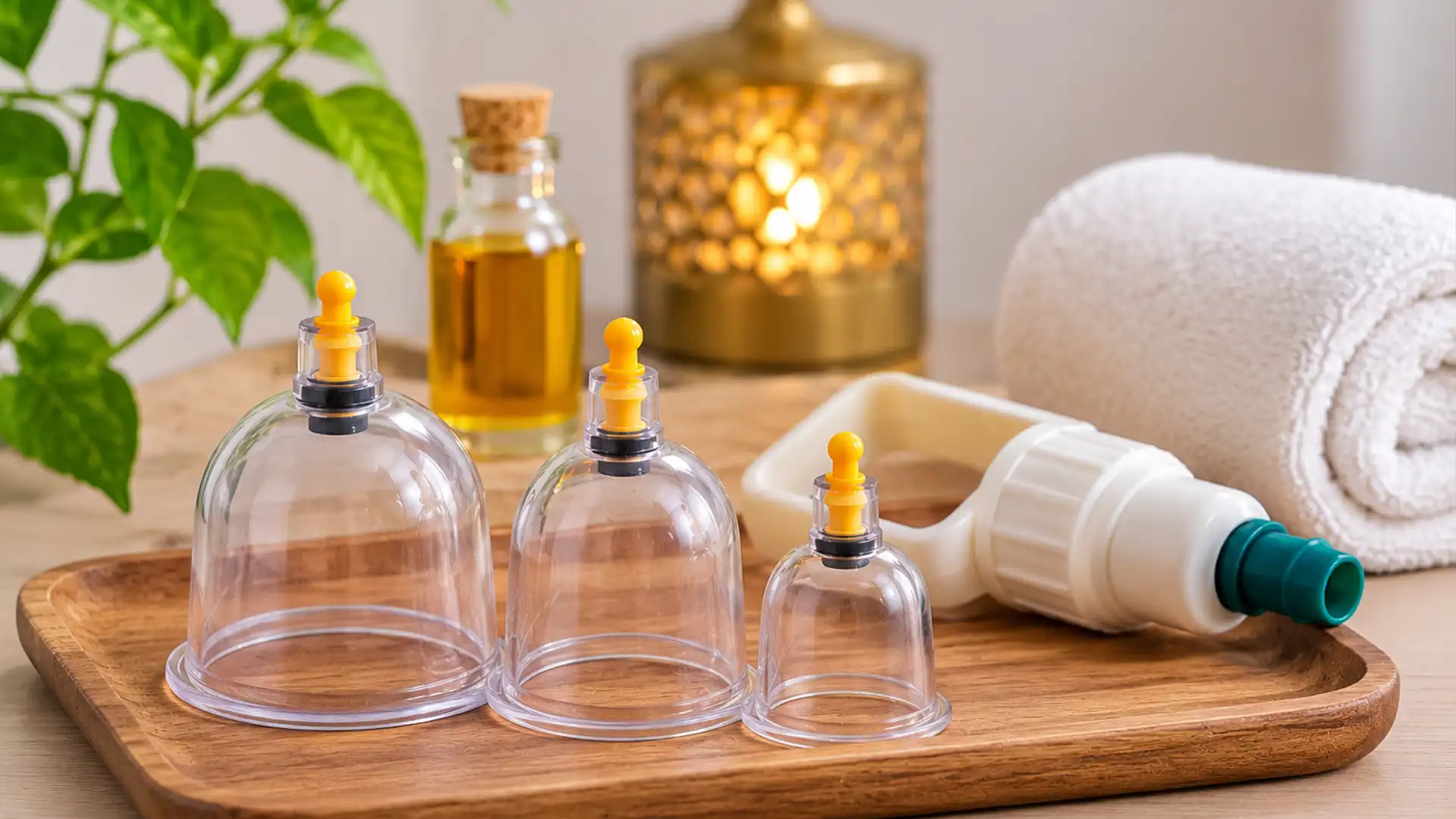
Cupping therapy is a traditional practice that uses specially designed cups placed on the skin to create suction. In wet cupping, also known as Hijama, small superficial incisions are made to draw a limited amount of blood. Dry cupping does not involve breaking the skin.
Some people choose this method as a complementary approach for muscle tension and certain types of pain. However, scientific evidence supporting its health benefits remains limited. Individual suitability should be assessed, and the procedure should not replace necessary medical treatment.
| Method | Wet cupping using suction and superficial skin incisions |
| Treatment Areas | Usually the back and shoulders |
| Procedure Duration | Approximately 20–40 minutes |
| Number of Sessions | Varies according to individual assessment |
| Recovery | Temporary cup marks and healing of superficial wounds |
For information about available options, prices, and arrangements for international patients, read our article on Cupping Therapy in Turkey.
What Is Cupping Therapy?
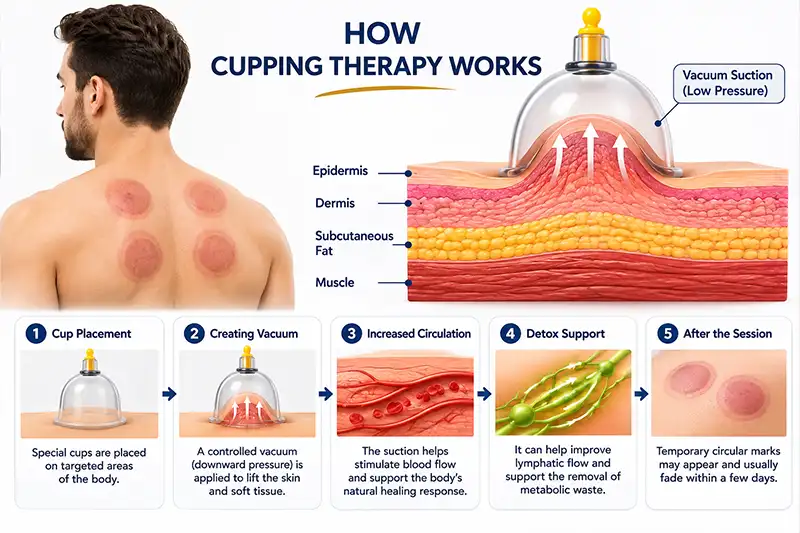
This traditional technique creates negative pressure on the skin using specialized cups. In the wet method, superficial incisions are made in addition to suction, allowing a small amount of blood to be withdrawn.
The practice has been used across different cultures for centuries. Although some people continue to choose it as a complementary approach, claims that it treats specific diseases or removes toxins from the body are not supported by sufficient scientific evidence.
Differences Between Dry and Wet Cupping
Different techniques are used depending on how the procedure is performed. The two most common approaches are dry and wet cupping. The main difference is that the wet method involves controlled superficial breaks in the skin and blood withdrawal.
| Feature | Dry Cupping | Wet Cupping |
|---|---|---|
| Technique | Suction is applied | Suction and superficial incisions |
| Blood Withdrawal | No | Yes |
| Skin Integrity | Preserved | Temporarily disrupted |
| Recovery | Usually temporary circular marks | Superficial wounds require healing |
| Risks | Bruising and skin irritation | Bleeding, infection, and possible scarring |
How Is Cupping Therapy Performed?
The procedure involves a health assessment, skin preparation, cup placement, and aftercare. Because wet cupping breaks the skin, sterile equipment and infection prevention are particularly important.
Initial Assessment
The person’s medical history, medications, and bleeding risks are reviewed. The treatment area is selected, and suitability for the procedure is assessed.
Skin Preparation
The treatment area is cleaned and prepared with an appropriate antiseptic. All equipment must meet hygiene and sterilization requirements.
Cup Application
Specialized cups are placed on the skin to create suction. With wet cupping, superficial incisions are made under appropriate clinical conditions, followed by additional suction to withdraw a small amount of blood. The extent of the procedure may vary.
Aftercare
After removing the cups, the area is cleaned and dressed when necessary. Instructions are provided regarding wound care, recovery, and warning signs that require attention.
Which Areas of the Body Can Be Treated?
The back and shoulders are the most commonly selected areas. However, the location should be determined according to individual anatomy, health status, and the purpose of the procedure.
Back
The back is one of the most frequently used areas for cup placement. Suitable locations are selected with consideration for the condition of the skin and underlying anatomical structures.
Shoulders
The shoulder region may be considered for people experiencing muscle tension. However, this technique has not been conclusively proven to treat musculoskeletal disorders.
Other Body Areas
Some techniques may also be applied to the lower back or other parts of the body. However, not every location is suitable for the wet method. Areas near major blood vessels and nerves, varicose veins, or damaged skin should be avoided.
What Are the Potential Benefits?
Research into this traditional practice has primarily focused on pain and musculoskeletal complaints. Some studies have reported short-term relief, but the quality of available evidence remains limited, and results may differ between individuals.
- Some individuals may experience temporary relief from certain musculoskeletal pains.
- People with muscle tension may report a subjective feeling of relaxation.
- Some people describe a general sense of relaxation following the session.
These possible effects do not establish the method as a proven treatment for specific diseases. Claims about detoxification, strengthening the immune system, or treating chronic illnesses lack sufficient scientific support.
Who Should Avoid This Procedure?
Because the wet technique involves blood withdrawal and breaks in the skin, it may increase the risk of complications in certain individuals. A medical assessment is therefore important before treatment.
- People with bleeding disorders or severe clotting problems.
- Individuals taking blood-thinning medications who have an increased bleeding risk.
- People with severe anemia.
- Individuals with active infections, open wounds, or serious skin conditions in the treatment area.
- Pregnant individuals who require additional safety assessment.
- People with uncontrolled chronic conditions or significant immune system problems.
Some of these conditions may prevent treatment, while others require an individual assessment. Blood-thinning medications must not be discontinued without medical advice simply to undergo the procedure.
Before the Procedure
- Inform the practitioner about medications, chronic conditions, and allergies.
- Discuss any history of bleeding disorders or anemia.
- Avoid prolonged fasting or dehydration, which may increase the likelihood of dizziness.
- Report any wounds, infections, or irritation in the intended treatment area.
- Understand the possible benefits, limitations, and risks before proceeding.
After the Procedure
Temporary redness, tenderness, and circular marks may appear after the session. With the wet technique, small superficial wounds also need time to heal.
- Keep the treated area clean and follow the recommended dressing instructions.
- Avoid swimming pools, saunas, and environments that may increase infection risk until the wounds have healed.
- Avoid excessive friction or pressure on the area during the first few days.
- Rest and maintain adequate hydration if dizziness or weakness occurs.
- Seek medical assessment for increasing pain, redness, swelling, pus, fever, or persistent bleeding.
Side Effects and Risks
Being a traditional practice does not make the procedure risk-free. In particular, the wet technique can lead to complications such as infection and bleeding because the skin is broken.
- Temporary bruising, redness, and tenderness.
- Pain or skin irritation at the treatment site.
- Dizziness, nausea, or fainting.
- Bleeding, infection, or scarring.
- Possible anemia following repeated wet cupping sessions.
- Bloodborne infections when proper hygiene measures are not followed.
- Burns when heat is used to create suction.
Appropriate practitioner training, sterile equipment, infection control measures, and a pre-procedure health assessment are important for reducing the risk of complications.
Frequently Asked Questions About Cupping Therapy
What is cupping therapy?
It is a traditional technique that uses suction cups on the skin. Wet cupping also involves superficial incisions to withdraw a small amount of blood.
Is the procedure painful?
Suction may cause a pulling sensation. Wet cupping may also cause mild stinging and tenderness from the superficial incisions.
How long does a session take?
A session generally takes 20–40 minutes, including preparation. The duration depends on the treatment area.
Does it leave marks?
Dry cupping may leave temporary circular marks. Wet cupping can sometimes cause permanent scars.
How often should it be performed?
There is no scientifically established standard frequency. The need for additional sessions should be assessed according to individual risks.