


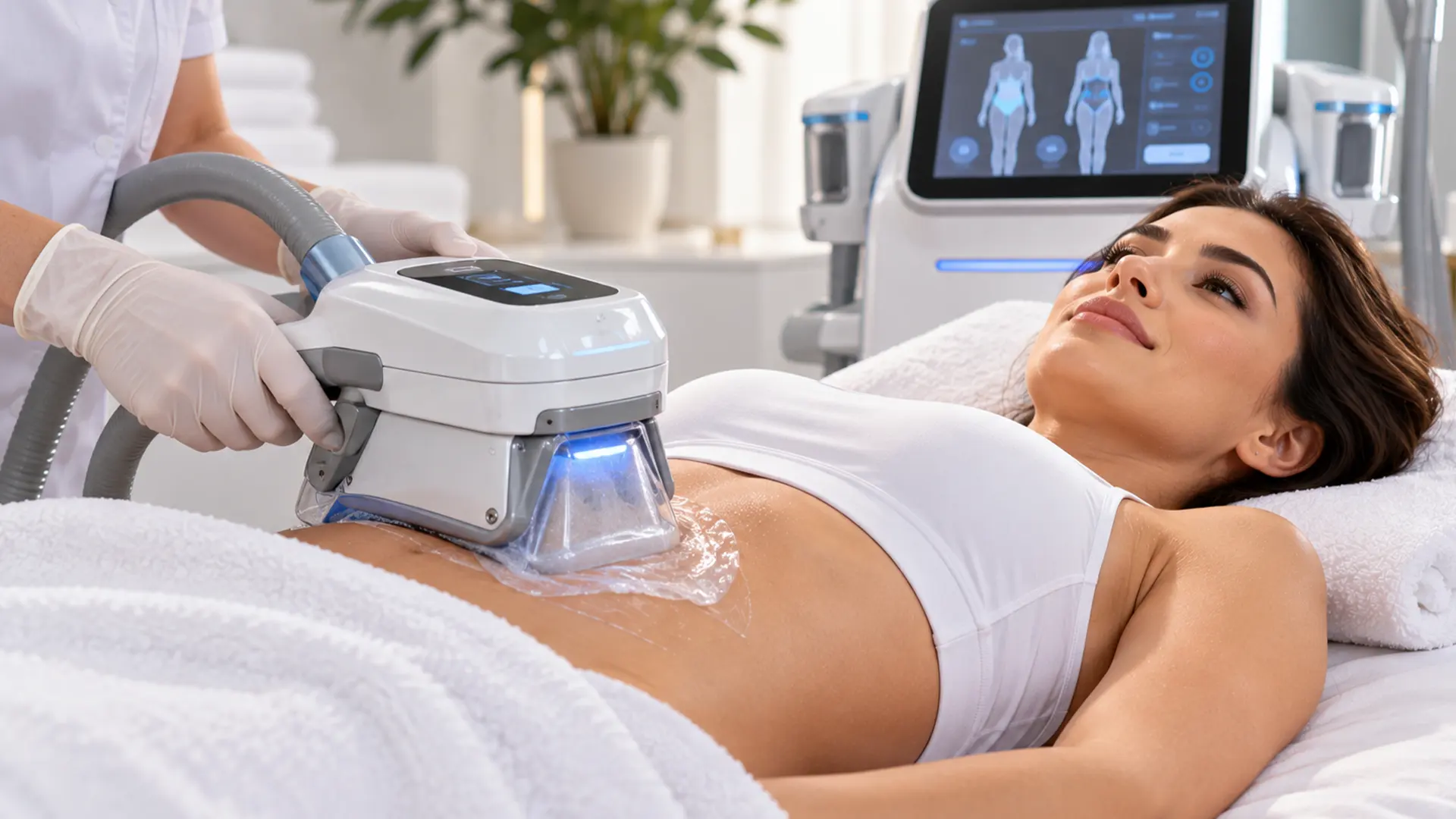
Cryolipolysis is a non-surgical body contouring treatment designed to reduce subcutaneous fat in specific areas of the body through controlled cooling. Also known as fat freezing, this method may be considered for stubborn fat deposits that persist despite diet and exercise.
Cryolipolysis does not require surgical incisions or general anesthesia. However, it is not a weight-loss treatment. Its purpose is to help improve the contours of specific areas and create a more balanced body shape in suitable candidates.
| Treatment | Cryolipolysis |
| Also known as | Fat Freezing |
| Method | Localized fat reduction through controlled cooling |
| Session duration | Usually 35–60 minutes per treatment area |
| Anesthesia | Usually not required |
| Number of sessions | Varies according to the area and individual needs |
| Return to daily activities | Usually the same day |
| Results | Generally develop gradually over 1–3 months |
| Main purpose | Localized fat reduction and body contouring |
Patients considering cryolipolysis in Turkey can read our article on Cryolipolysis in Turkey for more information about session prices and treatment arrangements.
What Is Cryolipolysis?
Cryolipolysis is a localized fat reduction method that uses the response of fat cells to controlled cooling. It is one of the non-surgical aesthetic treatments available for body contouring. During the procedure, a specialized device cools the subcutaneous fat tissue in the targeted area to specific temperatures.
Following cooling, some of the affected fat cells may gradually be cleared through the body’s natural processes. This change does not happen immediately; results usually develop over several weeks or months.
Cryolipolysis is not a substitute for obesity treatment or general weight management. It is mainly considered for people whose weight is relatively stable but who are concerned about fat deposits in specific areas.
What Does Cryolipolysis Do?
Cryolipolysis is performed to help reduce subcutaneous fat tissue in selected areas of the body. It primarily aims to soften the appearance of bulges caused by localized fat deposits.
- Localized fat reduction: Aims to reduce some of the fat tissue in suitable treatment areas.
- Body contouring: May help create a more balanced appearance around the waist, abdomen, and other suitable areas.
- Non-surgical treatment: Does not require surgical incisions or stitches.
- Minimal downtime: Most people can continue their daily activities after treatment.
- Gradual results: Changes in fat tissue occur over time, so improvements in body contours may become noticeable progressively.
Cryolipolysis is not intended to correct sagging skin, strengthen muscles, or produce significant overall weight loss.
Which Areas Can Be Treated with Cryolipolysis?
Cryolipolysis can be used on different areas of the body, depending on the applicator and the person’s anatomy. The treatment area is selected after evaluating the thickness of the fat tissue and the condition of the skin.
- Abdomen: Localized fat deposits in the upper and lower abdomen.
- Waist and flanks: Stubborn fat deposits around the waist and sides.
- Hips: Suitable fat deposits around the hips and outer sides.
- Inner and outer thighs: Localized fat tissue in the thigh area.
- Arms: Suitable fat deposits in the upper arms.
- Under the chin: Submental fat deposits, using suitable devices and applicators.
Not every device is suitable for all body areas. When selecting a treatment area, the device’s intended use, the anatomy of the region, and the person’s health condition must be considered.
How Is Cryolipolysis Performed?
Cryolipolysis involves several steps, from assessing the treatment area to applying controlled cooling. The details may vary depending on the device used.
1. Consultation and Treatment Area Selection
First, the person’s general health, fat distribution, and expectations are evaluated. Suitable areas for cryolipolysis are identified, and an individual treatment plan is prepared.
2. Skin Preparation
The treatment area is cleaned. A protective gel pad or similar material may be applied according to the device protocol to help protect the skin from potential cold-related effects.
3. Placement of the Cooling Applicator
The device applicator is positioned over the targeted area. In some systems, suction draws the fat tissue into the applicator before controlled cooling begins.
4. Completing the Treatment
Once the scheduled treatment time is complete, the applicator is removed. Depending on the system used, the treated area may be massaged briefly. The skin is then checked, and aftercare instructions are provided.
At the beginning of the procedure, patients may experience intense cold, pulling, or pressure. These sensations may decrease as treatment progresses.
Who Is a Suitable Candidate for Cryolipolysis?
Cryolipolysis may be considered for people whose overall weight is relatively stable but who have stubborn fat deposits in specific areas. Suitability is not determined by weight or body measurements alone.
The treatment may be particularly suitable for people who:
- Have localized fat deposits in areas such as the abdomen, waist, or hips
- Prefer non-surgical body contouring methods
- Want to reduce fat in specific areas rather than lose weight overall
- Understand that results develop gradually and have realistic expectations
Cryolipolysis may not be suitable for people with certain cold-related medical conditions, active infections or open wounds in the treatment area, or specific circulatory problems. Pregnancy, recent surgical procedures, and other health conditions must also be considered.
What Should You Know Before Cryolipolysis?
Before treatment, it is important to review the person’s medical history and clarify their treatment goals. Preparation requirements may vary depending on the device used.
- Inform the practitioner about any severe sensitivity to cold or medical conditions triggered by low temperatures.
- Report any wounds, infections, significant irritation, or recent surgery in the treatment area.
- Provide information about current medications and existing medical conditions.
- Discuss the expected results and the number of areas that may be treated.
- Consider wearing comfortable clothing on the day of treatment.
A special diet or fasting is generally not required before cryolipolysis. However, any individual preparation instructions provided by the healthcare professional should be followed.
What Should You Do After Cryolipolysis?
Temporary redness, tenderness, swelling, or numbness may occur in the treated area after cryolipolysis. Most people can resume their usual daily activities on the same day.
Recommended aftercare measures include:
- Protecting the treated area: Avoid vigorous rubbing or irritation of sensitive areas.
- Daily activities: Normal activities can generally be resumed if the person feels comfortable.
- Diet and exercise: Balanced nutrition and regular physical activity help maintain overall weight control.
- Follow-up: Attend recommended follow-up appointments, as results do not appear immediately.
- Unexpected symptoms: Seek medical advice if severe or increasing pain, skin blisters, or significant discoloration develops.
Aftercare recommendations may vary according to the device protocol and the individual’s skin response.
How Many Cryolipolysis Sessions Are Needed?
The number of cryolipolysis sessions depends on the amount of fat tissue in the treatment area, individual expectations, and the characteristics of the device used. A single session may be sufficient for some people, while others may require additional treatments.
If repeat treatment is needed in the same area, the interval between sessions should be determined based on tissue response and an assessment of the results.
Cryolipolysis Side Effects and Risks
Although cryolipolysis is a non-surgical procedure, it is not entirely risk-free. The type and duration of side effects may vary depending on skin sensitivity, the treatment area, and the device used.
Possible effects after treatment include:
- Temporary redness and swelling
- Tenderness or mild pain
- Bruising
- Numbness or tingling sensations
- Temporary firmness or tightness
Most of these effects may gradually subside. However, rare serious complications are also possible. Before treatment, patients should receive detailed information about the risks associated with the device and any potential complications relevant to their individual circumstances.
Frequently Asked Questions About Cryolipolysis
Does cryolipolysis help you lose weight?
Cryolipolysis is not intended for overall weight loss. Its main purpose is to reduce subcutaneous fat in specific areas and improve body contours.
Is cryolipolysis painful?
Intense cold, pulling, or pressure may be felt at the beginning of treatment. Some people experience tenderness during or after the procedure. Discomfort varies from person to person.
Does cryolipolysis reduce belly fat?
It may help reduce suitable subcutaneous fat deposits in the abdomen. However, it does not target visceral fat surrounding the internal organs.
Where does the fat go after cryolipolysis?
Some of the fat cells affected by cooling are gradually cleared through the body’s natural cellular processes. This can take several weeks or months.
Can cryolipolysis cause sagging skin?
Cryolipolysis is not a skin-tightening treatment. In people with poor skin elasticity, fat reduction may make existing skin laxity more noticeable. Skin condition should be assessed beforehand.
Is cryolipolysis suitable for everyone?
No. Certain cold-related conditions, skin problems in the treatment area, and other medical conditions may affect suitability. A health assessment is necessary before treatment.
When will I see cryolipolysis results?
Initial changes may become noticeable within a few weeks. More visible results generally develop within 2–3 months. Results vary from person to person.
Are cryolipolysis results permanent?
Some of the affected fat cells are gradually cleared from the body. However, weight gain can cause remaining fat cells to enlarge. A balanced diet and weight management help maintain results.