

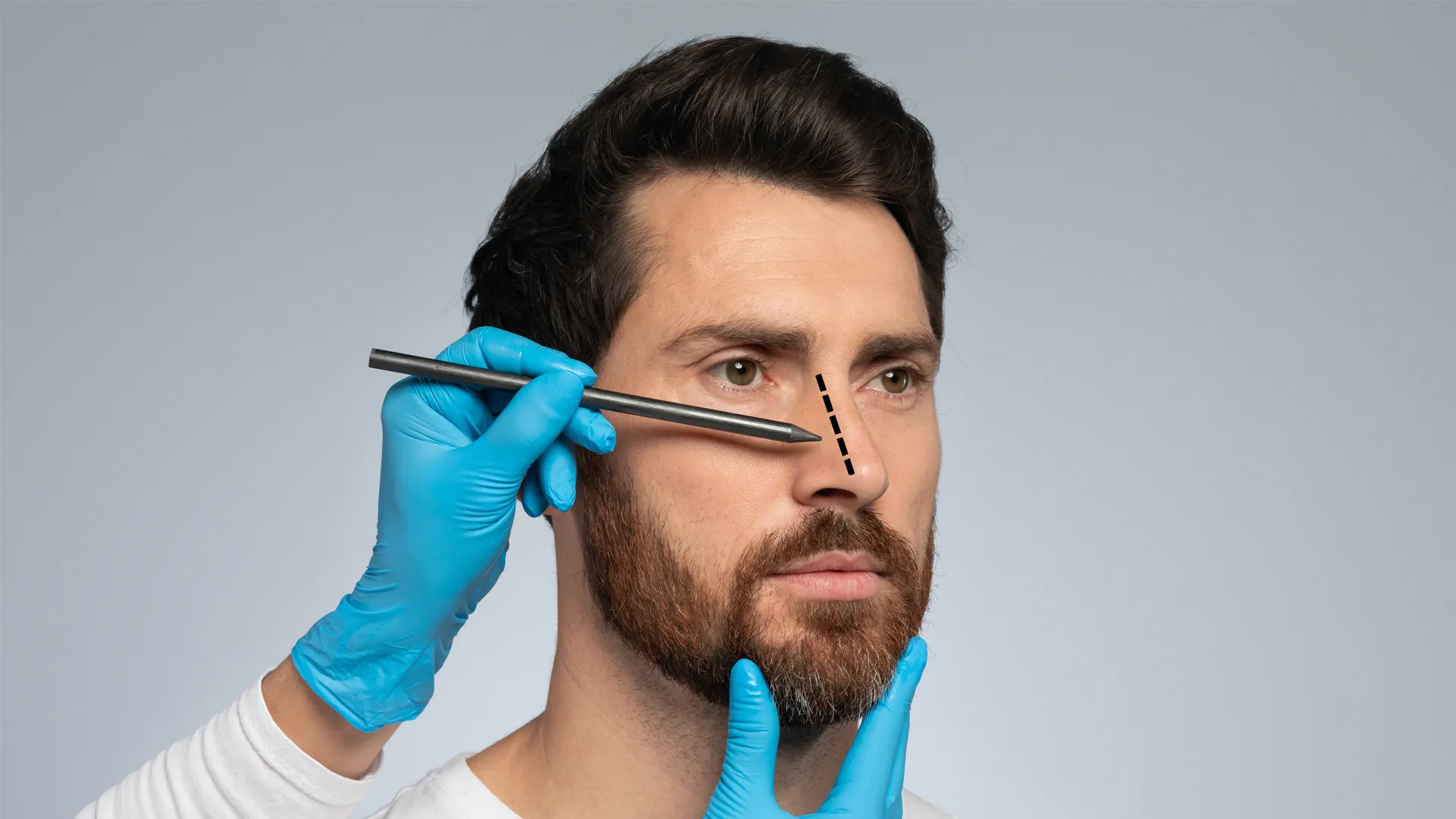
Nasal septal deviation, commonly known as a deviated septum, occurs when the bone and cartilage dividing the nasal cavity lean away from the midline towards the right or left. It may be present from birth or develop following a nasal injury or structural changes during growth. Mild deviations may cause no symptoms, while more significant cases can lead to nasal obstruction, difficulty breathing, snoring, mouth breathing, and recurring sinus problems.
Treatment for nasal septal deviation is planned according to the degree of deviation and the patient’s symptoms. Mild symptoms may be managed with medical treatment, while septoplasty may be considered when there is significant structural obstruction. This article explains the causes, symptoms, diagnosis, and available treatments for a deviated nasal septum.
What Is Nasal Septal Deviation?
The nasal septum is the anatomical structure that divides the nasal cavity into right and left air passages. Its front portion is made of cartilage, while the rear portion consists of bone. Nasal septal deviation occurs when this structure moves away from the midline towards the right, left, or in some cases both sides.
A bend in the septum can narrow one of the nasal passages and reduce airflow. Some deviations affect only the cartilaginous portion, while others also involve the bone. Symptoms vary because the location, shape, and degree of the deviation differ from one person to another.
Not every deviated septum requires treatment. Mild deviations may cause no symptoms and remain unnoticed. However, when the deviation significantly narrows the airway, it can lead to nasal obstruction, difficulty breathing, and mouth breathing during sleep. The need for treatment is determined by considering the patient’s symptoms and examination findings, rather than the appearance of the deviation alone.
What Causes Nasal Septal Deviation?
Nasal septal deviation may be present from birth or develop later in life. The main factors that can cause the bone and cartilage inside the nose to move away from the midline include:
- Congenital structural differences: The septum may develop in a curved position before birth. Pressure on the nasal area during delivery may also be associated with some deviations.
- Growth and development: Differences in the growth rates of the facial bones and nasal structures may gradually cause the septum to move away from the midline during childhood or adolescence.
- Nasal trauma: Sports injuries, falls, traffic accidents, or direct blows to the nose can displace the bone and cartilage.
- Previous nasal surgery: Structural changes or the healing process following an earlier nasal operation may affect the position of the septum in some patients.
In some patients, the exact cause of nasal septal deviation cannot be identified. The deviation may remain without symptoms for a long time and only become noticeable when nasal obstruction or difficulty breathing develops.
What Are the Symptoms of a Deviated Septum?
The symptoms of nasal septal deviation vary according to the location of the bend and the extent to which it narrows the airway. Mild deviations may cause no problems, while more significant cases can produce the following symptoms:
- Nasal obstruction and difficulty breathing: The blockage may be more noticeable on one side or may affect both sides intermittently.
- Mouth breathing and snoring: Reduced airflow through the nose may lead to mouth breathing, particularly during sleep, and lower sleep quality.
- Nasal dryness and bleeding: Irregular airflow may dry the tissues inside the nose and contribute to recurring nosebleeds.
- Sinus and smell-related problems: In some people, a deviated septum may accompany recurring sinus complaints and a reduced sense of smell.
These symptoms may also occur with allergies, enlarged nasal turbinates, or nasal polyps. An examination by an ear, nose and throat specialist is required to determine the underlying cause.
How Is Nasal Septal Deviation Diagnosed?
Nasal septal deviation is diagnosed through an examination by an ear, nose and throat specialist. The assessment includes questions about the duration and side of the nasal obstruction, previous injuries, allergies, snoring, and recurring sinus problems.
The following methods may be used during diagnosis:
- Nasal examination: The external structure and nasal passages are examined to assess the position of the septum, the degree of deviation, and narrowing of the airways.
- Nasal endoscopy: When necessary, a thin camera is used to examine the structures inside the nose in detail.
- Computed tomography: A CT scan is not required for every patient, but it may be requested when sinus disease, trauma, or an additional structural problem is suspected.
Other conditions that may contribute to nasal obstruction, including enlarged turbinates, allergies, polyps, and sinusitis, are also assessed before an appropriate treatment plan is prepared.
How Is Nasal Septal Deviation Treated?
Treatment for nasal septal deviation is planned according to the patient’s symptoms and the extent to which the deviation narrows the airway. Mild deviations that cause no symptoms or do not affect daily life may not require surgery. If allergies or enlarged turbinates worsen the obstruction, treatment for these conditions may be considered first.
Medical Treatment
Nasal sprays, allergy medication, and other treatments used under medical supervision may reduce swelling inside the nose and make breathing easier. However, these treatments do not correct the structural deviation; they only help manage the associated symptoms.
Surgical Treatment: Septoplasty
Septoplasty may be considered when the deviation causes significant breathing difficulty, persistent nasal obstruction, or recurring symptoms. The operation aims to place the septum in a more suitable position by correcting the bent bone and cartilage that narrow the airway.
Septoplasty primarily aims to improve nasal function and does not seek to change the external appearance of the nose when performed alone. If nasal septal deviation is accompanied by an external deformity, functional correction may be combined with a more comprehensive rhinoplasty.
How Is Septoplasty Performed?
Septoplasty is a surgical procedure that aims to widen the airway by correcting the bent bone and cartilage inside the nose. Before surgery, the location of the deviation, the degree of obstruction, and the other structures inside the nose are evaluated to prepare a personalised plan. The type of anaesthesia is selected according to the extent of the procedure and the patient’s health.
The operation is usually performed through incisions made inside the nostrils. Bone and cartilage that narrow the airway are reshaped, repositioned, or removed in a limited manner when necessary. Silicone splints may be used to support the septum after surgery. The duration of the operation and discharge plan vary according to the degree of deviation and the procedures performed.
Recovery After Septoplasty
Nasal obstruction, mild pain, pressure, swelling, and a small amount of blood-stained discharge may occur after septoplasty. The surgeon determines when any silicone splints or other internal supports should be removed.
Important precautions during recovery include:
- Avoid blowing the nose until permitted by the doctor, and keep the mouth open when sneezing.
- Avoid strenuous exercise, heavy lifting, and bending forwards, and protect the nose from impact.
- Take prescribed medication as directed and attend all scheduled follow-up appointments.
The time required to return to work and daily life varies according to the extent of the procedure and the individual’s recovery. Breathing through the nose gradually becomes easier as swelling and crusting decrease. The healthcare team should be contacted if heavy bleeding, high fever, severe pain, or foul-smelling discharge develops.
What Are the Risks of Septoplasty?
Septoplasty is generally considered safe, but like every surgical procedure, it carries certain risks. The likelihood of complications varies according to the type of septal deviation, the extent of the operation, the patient’s health, and postoperative care.
Possible risks include:
- Bleeding, infection, and reactions to anaesthesia: Mild blood-stained discharge may be normal, but heavy bleeding, signs of infection, or reactions to anaesthesia require medical assessment.
- Persistent nasal obstruction: Breathing problems may not resolve completely due to allergies, enlarged turbinates, or other structural conditions.
- Septal perforation: A small opening in the septum may cause dryness, crusting, bleeding, or a whistling sound while breathing.
- Changes in smell or nasal shape: Postoperative swelling may temporarily affect the sense of smell. Less commonly, changes in appearance may occur if the supporting structures of the nose are affected.
- Need for further surgery: An additional procedure may be required if symptoms persist or the deviation is not corrected sufficiently.
Before deciding to undergo septoplasty, patients should discuss the possible complications and their individual risks with the surgeon.
Deviated Septum Surgery in Turkey and Cost
Treatment for nasal septal deviation in Turkey is planned individually following an examination by an ear, nose and throat specialist. Septoplasty may be performed to open the nasal airway when the deviation causes significant breathing difficulty.
If the septal deviation is accompanied by a deformity affecting the external appearance of the nose, functional correction may be combined with rhinoplasty in Turkey. The extent of the procedure is determined according to the patient’s nasal anatomy and breathing problems.
The cost of deviated septum surgery in Turkey may range from approximately 2,000 to 4,000 EUR this year. The price varies according to the surgeon’s experience, hospital, anaesthesia, degree of deviation, and whether examinations, transfers, or accommodation are included in the package. The final cost is determined after an examination and the preparation of a personalised treatment plan.
Frequently Asked Questions About Nasal Septal Deviation
Can a deviated septum correct itself?
A structural bend in the septum does not usually correct itself. However, mild deviations may cause no symptoms and require no treatment. Treating associated conditions such as allergies or swelling inside the nose may improve breathing even if the deviation itself remains unchanged.
Does every deviated septum require surgery?
No. Surgery may not be necessary when the deviation does not affect daily life or cause significant breathing problems. Surgical treatment is planned after considering the severity of the symptoms and the examination findings together.
Does septoplasty change the shape of the nose?
Septoplasty primarily aims to correct the bent septum and improve breathing. When performed alone, it does not seek to change the external appearance of the nose. However, if the deviation is accompanied by an external nasal deformity, a different surgical plan combining septoplasty with rhinoplasty may be required.
Is septoplasty painful?
The operation is performed under anaesthesia, so patients do not feel pain during the procedure. Mild pain, pressure, obstruction, and tenderness may occur afterwards. These symptoms can usually be managed with medication recommended by the doctor.
Is nasal packing used after septoplasty?
The use of nasal packing or silicone splints varies according to the surgical technique and the patient’s condition. Some patients may not require internal support. When packing or splints are used, the surgeon determines when they should be removed.
When does breathing improve after septoplasty?
Nasal obstruction may continue during the first few days after surgery because of swelling and crusting. Breathing gradually becomes easier as the tissues heal. The recovery time varies according to the extent of the procedure and the individual’s healing rate.
Can a deviated septum return after surgery?
The corrected septum generally remains in its new position. However, the deviation may recur or some symptoms may continue due to the healing process, a new nasal injury, or changes in the tissues.
Which doctor treats a deviated septum?
An ear, nose and throat specialist should assess nasal septal deviation. If a change to the external shape of the nose is also planned, evaluation by a specialist experienced in both functional and aesthetic nasal surgery may be appropriate.