


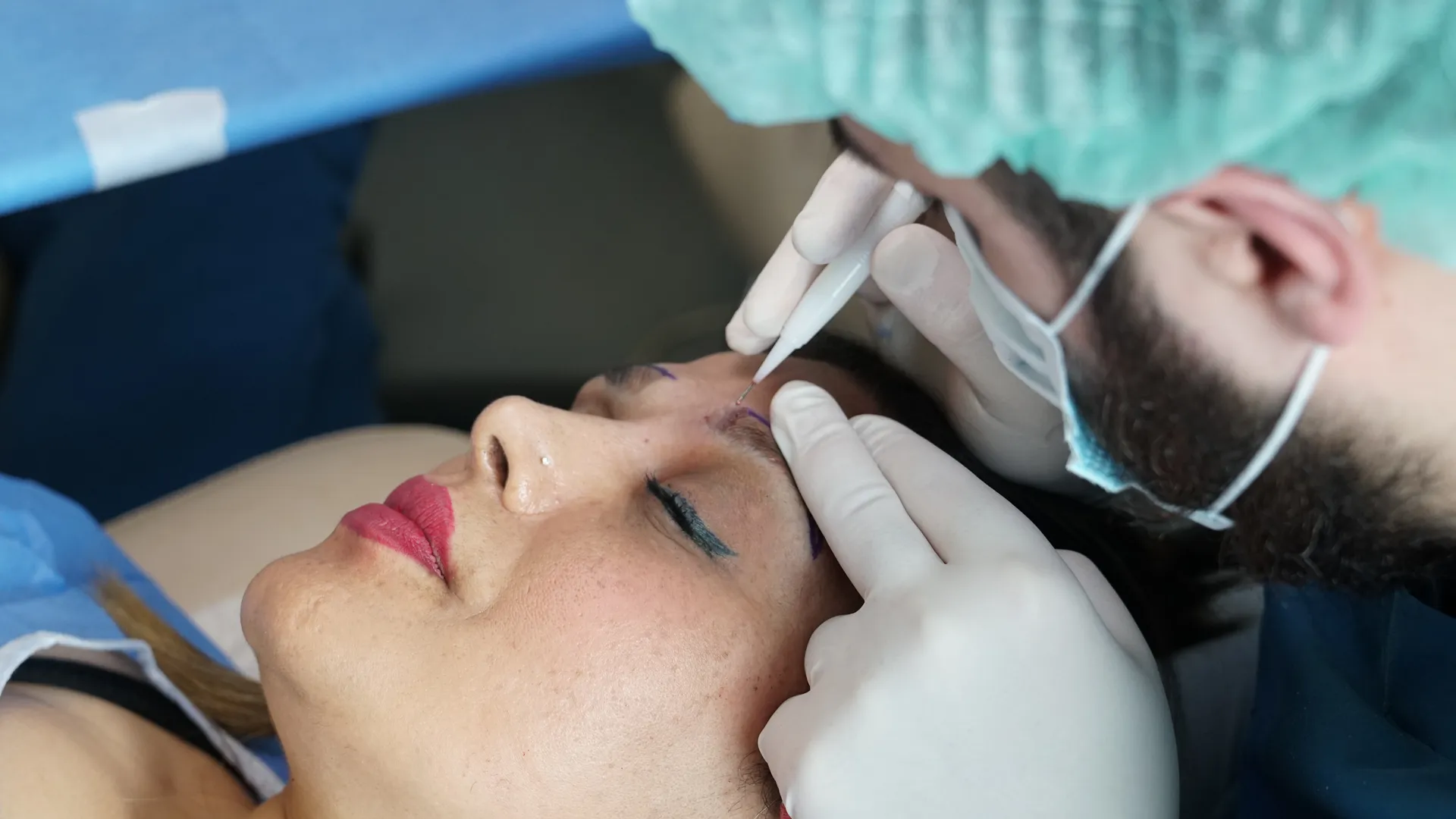
Eyebrows are among the most important features shaping facial expression and overall appearance. Genetics, repeated overplucking, aging, trauma, or certain health conditions may cause thinning or permanent hair loss. An eyebrow transplant is a personalized procedure that transfers the patient’s own hair follicles to areas requiring greater density.
Achieving a natural result depends not only on the number of grafts but also on designing eyebrows that complement the facial features and placing each follicle at the correct angle and direction. Before the procedure, the existing eyebrow structure, face shape, donor area, and the patient’s expectations are evaluated to create an individualized treatment plan.
If you are considering the procedure in Turkey, visit our Eyebrow Transplant in Turkey page for details about costs, travel planning, and the treatment process.
| Feature | Information |
|---|---|
| Procedure duration | Usually 2–4 hours |
| Techniques used | FUE and DHI (most commonly DHI) |
| Anesthesia | Local anesthesia |
| Number of grafts | Approximately 100–500 grafts, depending on individual needs |
| Hospital stay | Usually not required |
| Initial recovery period | Approximately 7–10 days |
| New eyebrow growth | Usually begins within 3–4 months |
| Final result | Usually visible within 8–12 months |
| Return to daily activities | Within a few days, depending on the individual |
The stated durations and graft numbers are approximate. The treatment plan and recovery period may vary according to the patient’s individual needs and medical assessment.
What Is an Eyebrow Transplant?
An eyebrow transplant is one of the available hair transplant procedures. It involves transferring the patient’s own hair follicles to sparse or empty areas of the eyebrows. Suitable follicles are usually taken from the back of the scalp and placed at an angle and density that follow the natural direction of eyebrow growth. The personalized procedure aims to create fuller, balanced, and natural-looking eyebrows.
Who Is Suitable for an Eyebrow Transplant?
The procedure may be suitable for women and men experiencing eyebrow thinning or permanent hair loss, particularly:
- People with naturally sparse eyebrows
- People who have lost eyebrow hair due to repeated overplucking
- People with scars or burn marks in the eyebrow area
- People who want to redefine the shape of their eyebrows
- People with sufficient healthy hair follicles in the donor area
Suitability for the procedure is determined through a specialist assessment.
Which Eyebrow Transplant Techniques Are Used?
FUE or DHI may be used depending on the patient’s needs and existing eyebrow structure.
FUE Technique
With the FUE hair transplant technique, follicles are individually extracted from the donor area and placed into small channels created in the treatment area.
DHI Technique
With the DHI hair transplant technique, the extracted follicles are placed directly into the treatment area using a Choi implanter pen. This method is commonly preferred for eyebrow restoration because it helps provide precise control over placement angle and direction.
The most suitable technique is selected according to the patient’s needs and the specialist’s assessment.
How Is an Eyebrow Transplant Performed?
The procedure is generally performed through the following steps:
Total Time: 4 hours
Consultation and Eyebrow Design
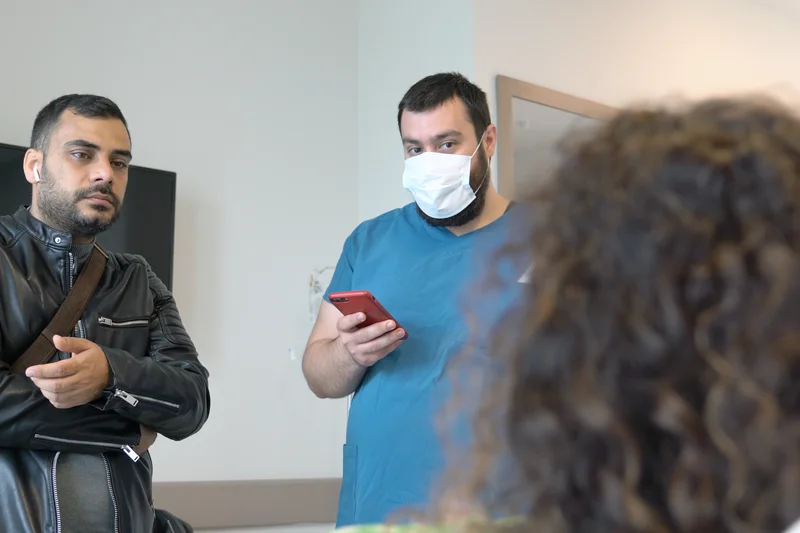
The facial features, existing eyebrow structure, and the patient’s expectations are evaluated before the appropriate eyebrow shape is designed.
Preparing the Donor Area
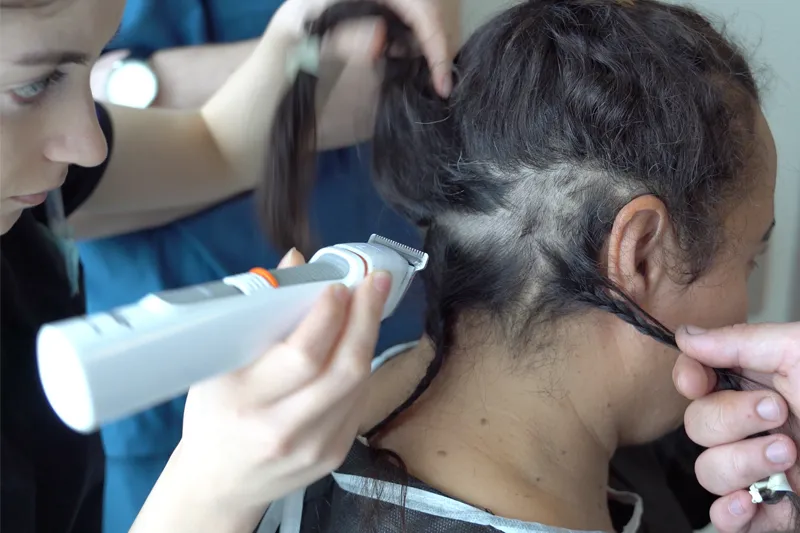
Suitable hair follicles are usually identified at the back of the scalp, and the area is numbed with local anesthesia.
Extracting the Hair Follicles
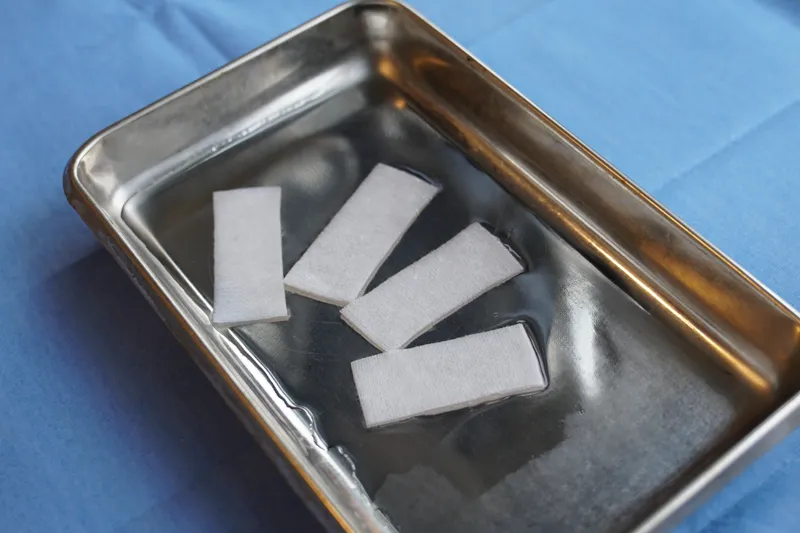
The required grafts are carefully extracted one by one from the donor area and prepared for transplantation.
Implanting the Hair Follicles
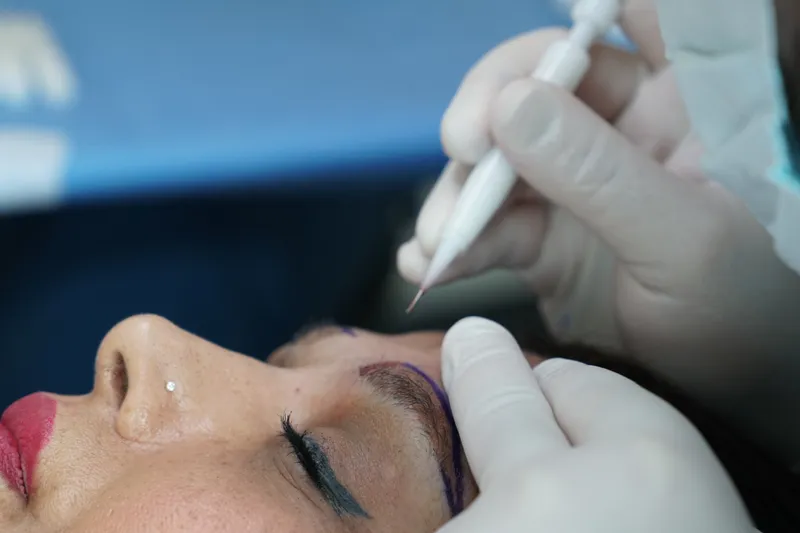
The prepared follicles are placed using the FUE or DHI technique while following the natural angle and direction of eyebrow growth.
Final Check and Supportive Treatments
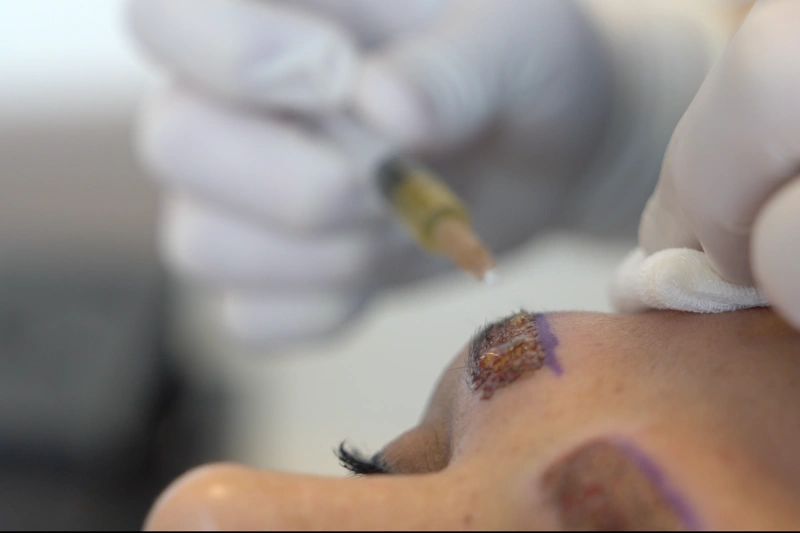
The transplant area is examined, and aftercare instructions are explained to the patient. PRP may be applied to support recovery when recommended by the specialist.
What Should Be Considered Before the Procedure?
The specialist’s instructions should be followed to help ensure a safe and comfortable procedure. The main points to consider include:
- Inform the specialist about any medications being used and existing health conditions.
- Do not stop taking blood-thinning medication without your doctor’s approval.
- Avoid alcohol and smoking before the procedure according to the specialist’s instructions.
- Do not apply eyebrow dye, makeup, or cosmetic products to the treatment area.
- Arrive on the day of the procedure with clean hair and a clean face.
- Choose comfortable clothing that is easy to remove.
Personalized preparation instructions are provided during the clinical assessment.

Recovery After an Eyebrow Transplant
The recovery period may vary from person to person. It generally progresses through the following stages:
| Period | Recovery Process |
|---|---|
| First 2–3 days | Mild redness, swelling, and sensitivity may occur. |
| First 7–10 days | Crusting in the transplant area begins to subside. |
| 2–6 weeks | Temporary shedding of the transplanted eyebrow hairs may occur. |
| 3–4 months | New eyebrow hairs begin to grow. |
| 8–12 months | The eyebrows largely reach their final appearance. |
During recovery, it is important to avoid touching the eyebrows, protect the area from impact, and follow the aftercare instructions provided by the specialist.
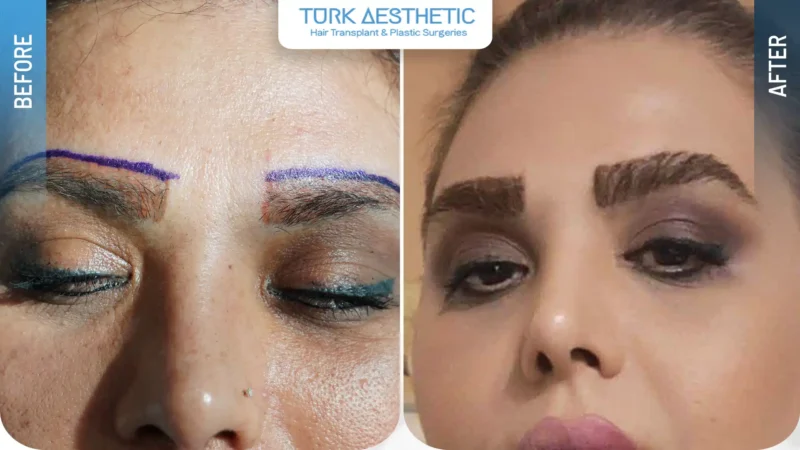
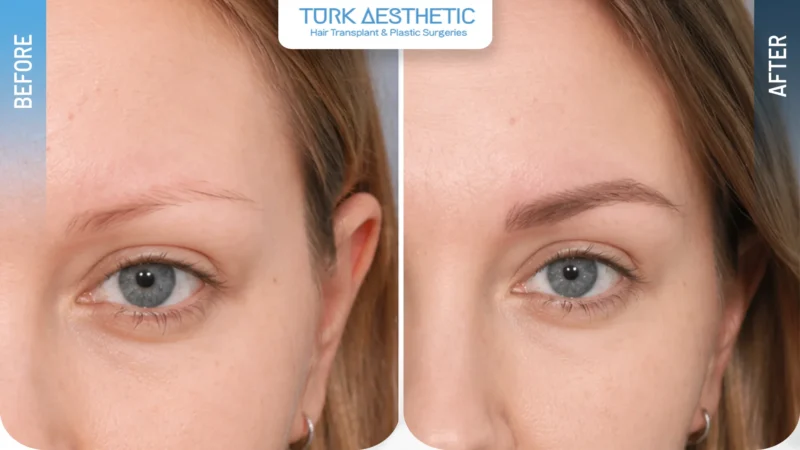
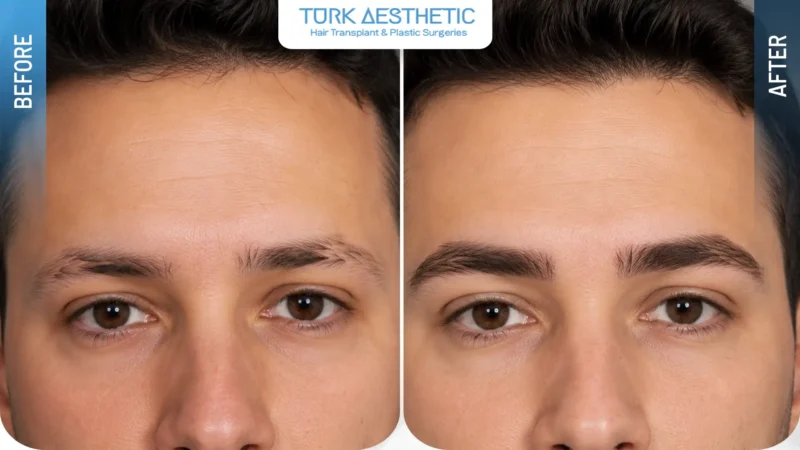
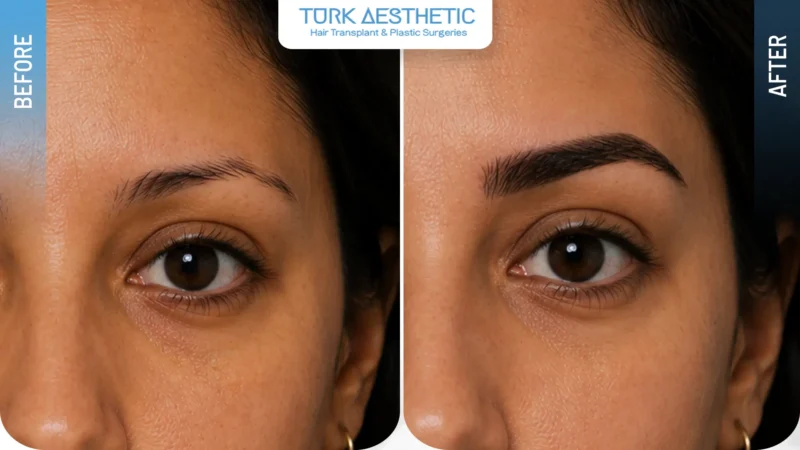
Eyebrow Transplant Before and After
Eyebrow transplant before-and-after photos can help illustrate the changes that may be achieved through the procedure. Results may vary according to the patient’s existing eyebrow structure, donor area, number of transplanted grafts, and recovery process. When comparing photos, it is important to remember that the final appearance usually develops within 8–12 months.
Eyebrow Transplants for Women and Men
The procedure can be performed for both women and men. The design is planned according to the patient’s facial features, existing hair structure, and expectations.
Eyebrow Transplants for Women
The aim is to create a defined, balanced appearance that complements the facial features.
Eyebrow Transplants for Men
Priority is given to preserving the natural density and individual shape of the eyebrows.
Benefits of the Procedure
The procedure aims to create a natural appearance by placing the patient’s own hair follicles into sparse or empty areas. Its main benefits include:
- Provides long-lasting, natural-looking results.
- Fills sparse and empty areas of the eyebrows.
- Allows the eyebrow shape to be designed according to the facial features.
- May help reduce the appearance of scars and burn marks.
- Can be performed for both women and men.
- May reduce the need for daily eyebrow makeup.
- Allows personalized eyebrow density and design.
Possible Side Effects
Mild and temporary side effects may occur after the procedure, including:
- Redness and sensitivity
- Mild swelling
- Itching and crusting
- Temporary shock loss
- Numbness in the transplant area
- Infection or folliculitis in rare cases
Aftercare instructions should be followed to help minimize side effects. Contact the clinic if you experience severe pain, increasing redness, or discharge.
Frequently Asked Questions
Below, we answer the most frequently asked questions about eyebrow transplant duration, recovery, and results.
Is an eyebrow transplant permanent?
Yes, healthy transplanted hair follicles are generally permanent. However, results may vary depending on the patient’s hair characteristics, health condition, and post-procedure care.
Is an eyebrow transplant painful?
The procedure is performed under local anesthesia, so significant pain is not usually felt. Mild and temporary discomfort may occur while the anesthetic is being administered.
How long does an eyebrow transplant take?
The procedure usually takes 2–4 hours, depending on the number of grafts and the technique used.
How many grafts are needed for an eyebrow transplant?
The required number of grafts varies according to the sparse areas and desired density. Approximately 100–500 grafts may be used in most procedures.
When do transplanted eyebrows begin to grow?
New eyebrow hairs generally begin to grow from the third or fourth month. The final appearance usually develops within 8–12 months.
Does shock loss occur after an eyebrow transplant?
Yes, temporary shedding of the transplanted eyebrow hairs may occur during the first few weeks. The follicles remain beneath the skin and begin producing new hairs when they enter the growth phase.
Do transplanted eyebrow hairs continue to grow?
Yes, the transplanted hairs may continue to grow because they are taken from scalp follicles. They may therefore require trimming at regular intervals.
Does an eyebrow transplant look natural?
A natural appearance can be achieved when the follicles are placed at the correct angle, direction, and density. The result depends on the eyebrow design and the experience of the specialist performing the procedure.
Does an eyebrow transplant leave scars?
The risk of visible scarring is low with modern transplant techniques. Healing may vary depending on the patient’s skin characteristics and post-procedure care.
When can eyebrows be plucked after transplantation?
The eyebrows should not be disturbed before the transplanted follicles have fully settled. Wait for the period recommended by the clinic before plucking or shaping them.
When can I shower after an eyebrow transplant?
The first wash is usually performed a few days after the procedure according to the clinic’s instructions. Direct water pressure should not be applied to the transplant area.
Can eyebrow transplants be performed for women and men?
Yes, the procedure may be performed for women and men with a suitable donor area. The eyebrow design is planned according to the patient’s facial features and natural eyebrow structure.