


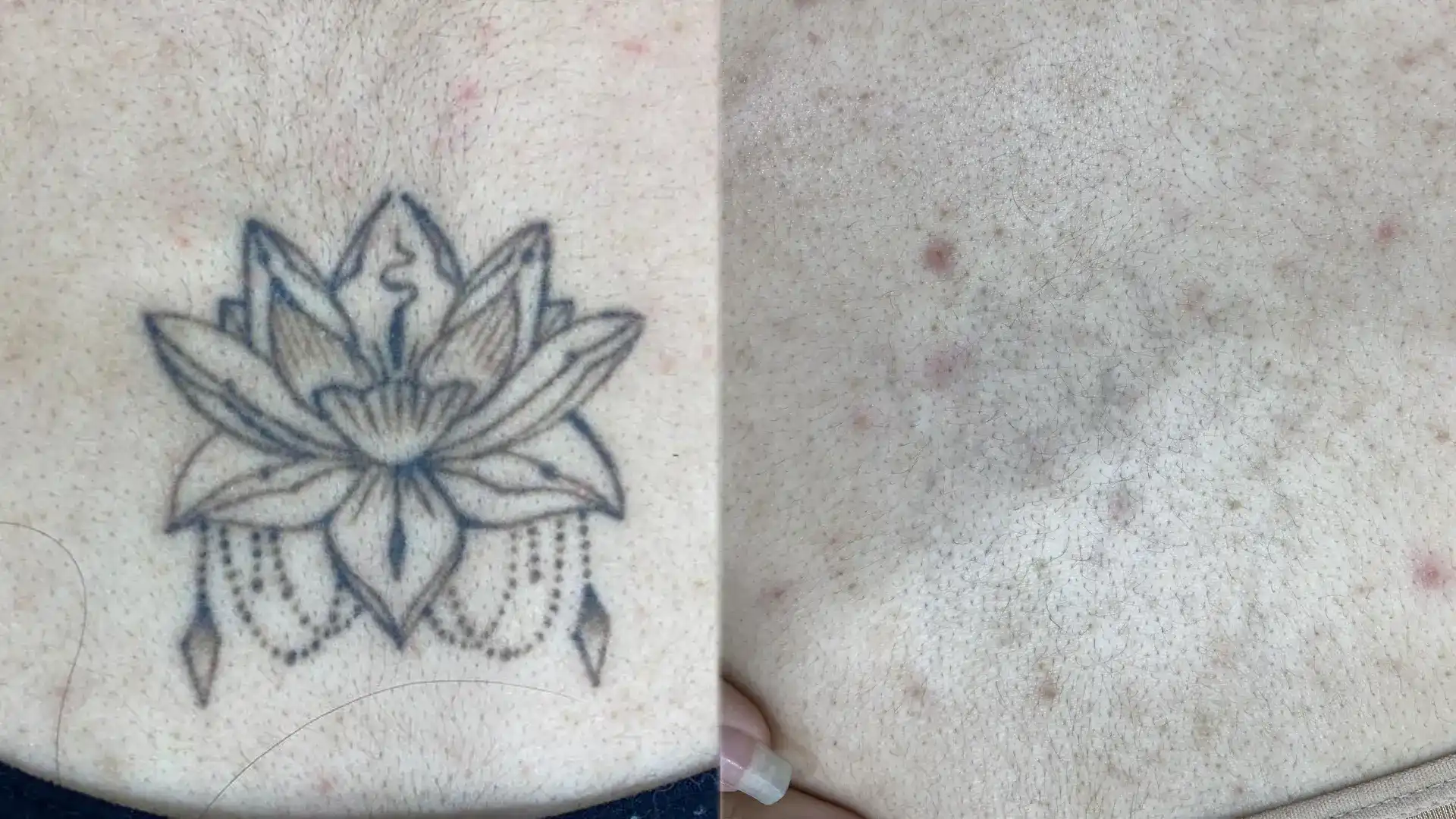
Laser tattoo removal is one of the most effective ways to gradually and safely remove unwanted tattoos. The treatment uses precise laser pulses to target the ink pigments beneath the skin, breaking them into tiny particles that are naturally eliminated by the body’s lymphatic system over time.
Advanced technologies such as the Nd:YAG laser are commonly used during the procedure. This technology can effectively treat black, colored, old, and newer tattoos. The final results and the number of sessions required depend on the tattoo’s color, depth, size, and the individual’s skin type.
Laser tattoo removal offers a non-surgical solution for people who want to completely remove or significantly fade an unwanted tattoo while preserving the natural appearance of the surrounding skin as much as possible.
| Information | Details |
|---|---|
| Technology Used | Nd:YAG Laser |
| Session Duration | Approximately 10–30 minutes |
| Number of Sessions | Varies depending on the tattoo’s size, color, and depth |
| Anesthesia | Cooling System |
| Visible Results | Gradually between sessions |
| Interval Between Sessions | Approximately 4–6 weeks |
What is laser tattoo removal?
Laser tattoo removal is a non-surgical aesthetic procedure that targets tattoo pigments beneath the skin using precise laser energy. The laser breaks the ink into microscopic particles without causing significant damage to the surrounding tissues, making it one of the safest and most effective tattoo removal methods available.
Advanced devices such as the Nd:YAG laser are used during treatment. This technology is especially effective for dark-colored tattoos and helps achieve gradual, natural-looking results.
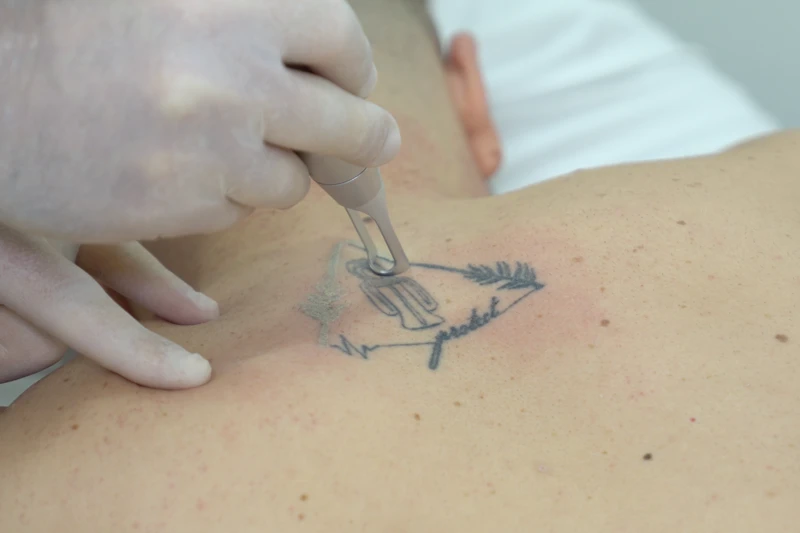
How does the laser remove tattoo ink?
Laser tattoo removal works by breaking the tattoo pigments beneath the skin into microscopic particles. When laser pulses are directed at the tattoo, the ink absorbs the laser energy and fragments into much smaller particles.
The body’s immune and lymphatic systems then gradually remove these particles over time. This is why tattoo removal is achieved progressively across multiple sessions rather than in a single treatment.
The speed of improvement depends on several factors, including:
- Ink color (black ink responds the fastest)
- Tattoo depth within the skin
- Skin type
- Age of the tattoo
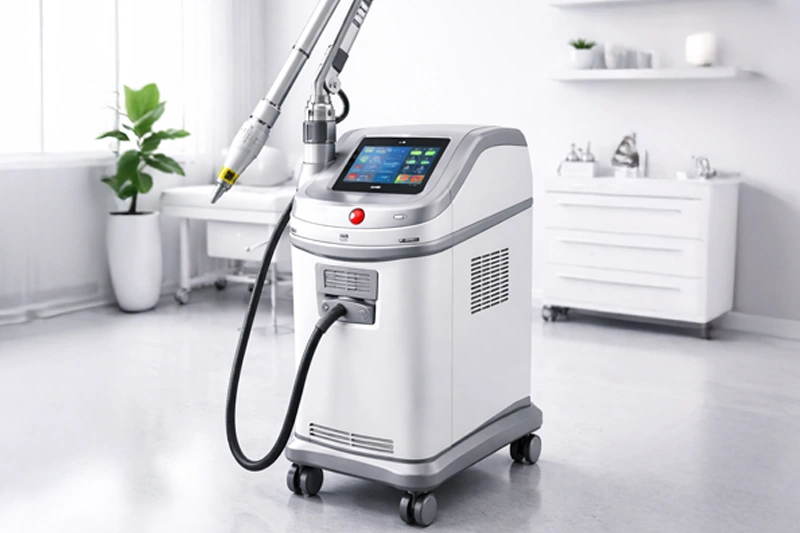
How does the Nd:YAG laser work for tattoo removal?
The Nd:YAG laser is one of the most commonly used technologies for laser tattoo removal. It precisely targets tattoo pigments beneath the skin while minimizing damage to the surrounding tissues. The device delivers short, powerful laser pulses that penetrate the skin and reach the ink particles.
Its adjustable wavelengths allow it to treat different types of tattoos effectively. Dark colors, particularly black and dark blue, typically respond best to Nd:YAG laser treatment.
How is the ink broken down inside the skin?
When laser pulses are applied to the tattoo, the ink pigments absorb the energy and shatter into microscopic particles. The body then gradually eliminates these particles through the lymphatic system, making tattoo removal a gradual process rather than a one-time treatment.
Why is the Nd:YAG laser one of the best options?
The Nd:YAG laser is preferred for tattoo removal because it offers several important advantages:
- Adjustable settings based on tattoo type and depth
- Highly precise targeting of ink pigments
- Suitable for most skin types
- Excellent effectiveness on dark-colored tattoos
- Reduced risk of side effects
Who is a good candidate for laser tattoo removal?
Laser tattoo removal is suitable for many people who wish to completely remove or significantly fade an unwanted tattoo. However, candidacy depends on factors such as skin type, tattoo characteristics, and overall health.
In general, most individuals can benefit from the procedure after a proper evaluation. Ideal candidates include:
- People who want to remove an unwanted or old tattoo
- Individuals with dark-colored tattoos such as black or blue
- People with realistic expectations
- Individuals without active skin conditions in the tattooed area
- Those who wish to lighten a tattoo before getting a new one
Important considerations before treatment
Although the procedure is generally safe, certain conditions should be considered before starting treatment:
- An infection or open wound in the treatment area
- Active skin diseases
- Pregnancy (treatment is usually postponed as a precaution)
- Very sensitive or pigmentation-prone skin
- Use of medications that may affect the healing process
For this reason, a professional evaluation is recommended before beginning laser tattoo removal treatment.
How is laser tattoo removal performed?
Laser tattoo removal consists of several steps, including consultation, skin preparation, laser treatment, and post-treatment care.
Initial Consultation
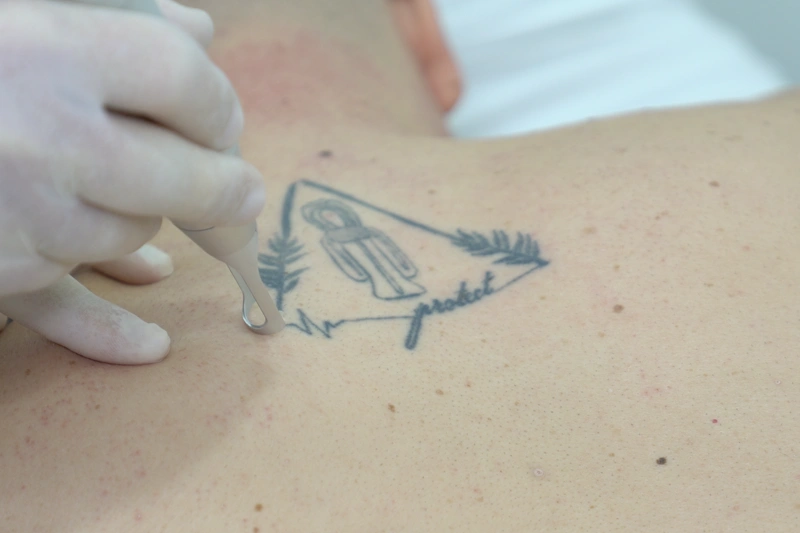
Before treatment, the specialist carefully evaluates the tattoo’s color, density, depth, age, and the patient’s skin type to determine the most suitable laser technology and treatment settings.
Cooling the Treatment Area
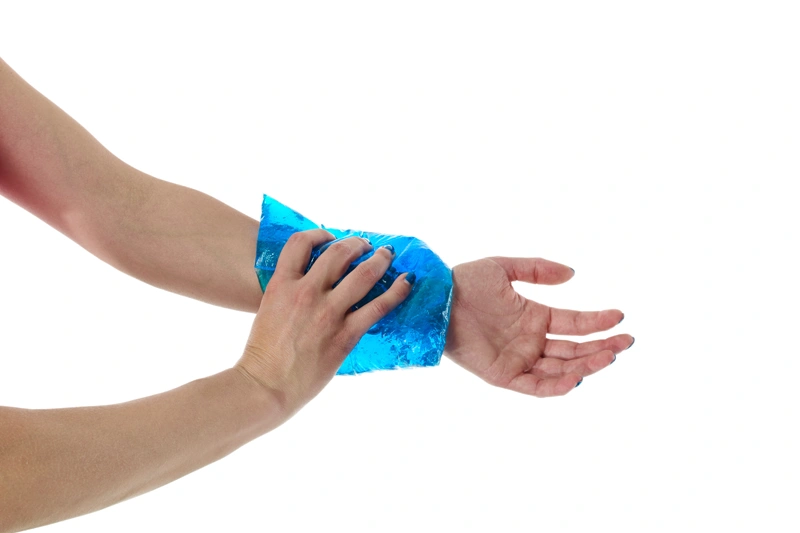
The treatment area is cooled before the procedure begins. In most cases, laser tattoo removal does not require local anesthesia. Cooling helps reduce discomfort during the session.
Laser Treatment
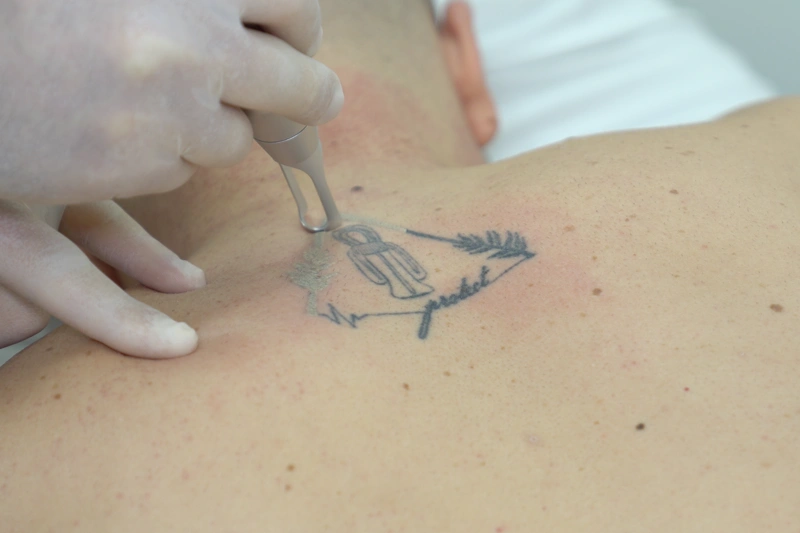
The laser is applied using customized settings. The laser energy breaks the tattoo ink into tiny particles, which are gradually eliminated by the body’s natural immune system.
Post-Treatment Care
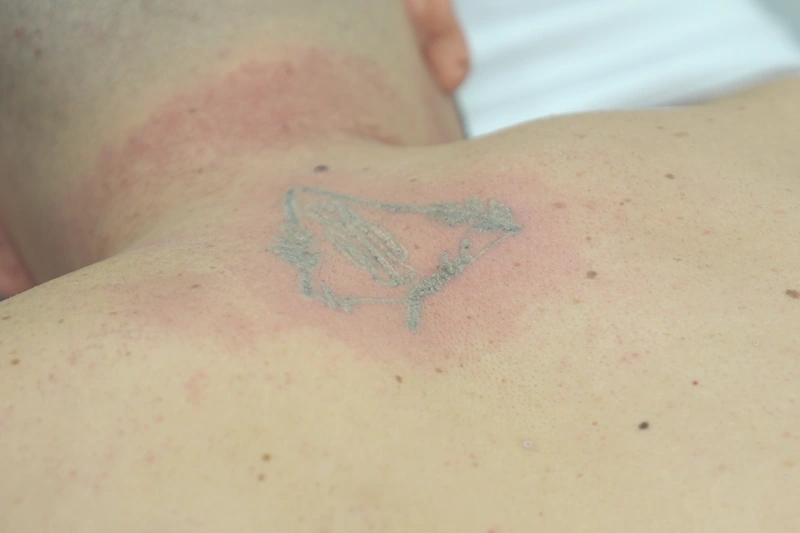
After the session, a moisturizing cream is applied to the treated area. If the tattoo is located on a sun-exposed area, sunscreen is also recommended. Following the aftercare instructions helps support healing and improves the results of future sessions.
What factors determine the number of sessions?
The number of laser tattoo removal sessions depends on several important factors:
- Tattoo color:
Dark colors, especially black, respond faster, while light or multi-colored tattoos usually require more sessions. - Tattoo size:
Larger tattoos generally require more treatment sessions. - Ink depth:
Tattoos with ink deposited deeper in the skin usually need additional sessions. - Tattoo age:
Older tattoos are often easier to remove than newer ones. - Skin type:
Your skin type may influence how well it responds to laser treatment. - Body response:
The body’s ability to eliminate fragmented ink particles plays a significant role in the speed of visible results.
When will the results of laser tattoo removal be visible?
Laser tattoo removal results are not immediate. The tattoo gradually fades after each session. Noticeable improvement may appear after the first few treatments, while the best results are usually achieved after several sessions.
Why do the results appear gradually?
The laser breaks the tattoo ink into microscopic particles, but the body needs time to remove them through the lymphatic system. This is why the tattoo fades gradually between sessions.
This process is completely natural and safe, but it requires patience.
Between treatment sessions:
- The body continues eliminating fragmented ink particles.
- The tattoo gradually becomes lighter.
- The appearance of the skin continues to improve.
- The tattoo becomes less noticeable over time.
Can all tattoos be removed with laser?
Laser tattoo removal can effectively treat most tattoos. However, the outcome depends on the ink color, tattoo type, and individual skin characteristics. In some cases, the tattoo can be almost completely removed, while in others it can be significantly faded.
Are black tattoos easier to remove?
Yes. Black ink absorbs laser energy more efficiently than other colors, making it one of the easiest colors to treat and usually requiring fewer sessions.
What about colored tattoos?
Colored tattoos can also be treated, but they generally require more sessions. The following colors are often more challenging:
- Green
- Light blue
- Yellow
These colors require different laser wavelengths and may respond more slowly than darker pigments.
Are older tattoos easier to remove than newer ones?
In most cases, older tattoos are easier to remove because some of the pigment has naturally faded over time. Newer tattoos tend to contain denser ink deposits and may require more treatment sessions to achieve similar results.
Does laser tattoo removal hurt?
Laser tattoo removal may cause mild discomfort that most people can tolerate. It is usually described as a slight stinging sensation or a brief feeling of heat.
What does it feel like during the session?
Patients usually describe the sensation during the session as:
- Mild stinging
- A short-lasting warm sensation
- A feeling similar to a rubber band snapping against the skin
These sensations are temporary and usually disappear shortly after the session is completed.
How can discomfort be reduced?
Several methods can be used to improve comfort during treatment, including:
- Cooling the treatment area
- Using a topical anesthetic cream when needed
- Adjusting laser settings according to skin type
These measures help make the procedure more comfortable and reduce possible discomfort.
Aftercare following laser tattoo removal
Proper aftercare after laser tattoo removal is important for healthy skin healing and better results. Following the recommended instructions helps reduce irritation and supports the recovery process.
Sun protection
The skin becomes more sensitive after treatment, so protecting the treated area from direct sunlight is essential.
- Use sunscreen
- Keep the area covered as much as possible
- Avoid sunbathing
Using recommended creams
Suitable products may be recommended to support skin healing, such as:
- Soothing or moisturizing creams
- Ointments recommended by the doctor
- Keeping the area clean
Avoid touching the treated area
Even if mild redness or light crusting occurs, it is important not to touch or disturb the treated area.
- Avoid scratching or rubbing
- Do not pick at crusts
- Allow the skin to heal naturally
Laser tattoo removal before and after results
Laser tattoo removal before and after photos show how effectively this treatment can gradually and safely reduce tattoo ink pigments beneath the skin. Results may vary depending on the tattoo type, color, and depth, but most cases show visible improvement as treatment progresses.
These images reflect real results from cases treated using advanced laser technologies. Over time, the tattoo becomes less visible and, in some cases, may fade significantly.
These examples show outcomes achieved after several sessions on different body areas and provide a clearer idea of the expected change during the treatment process.
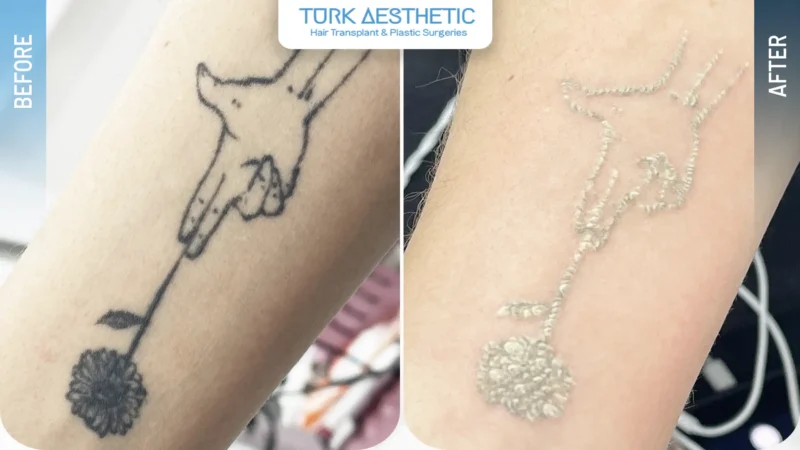
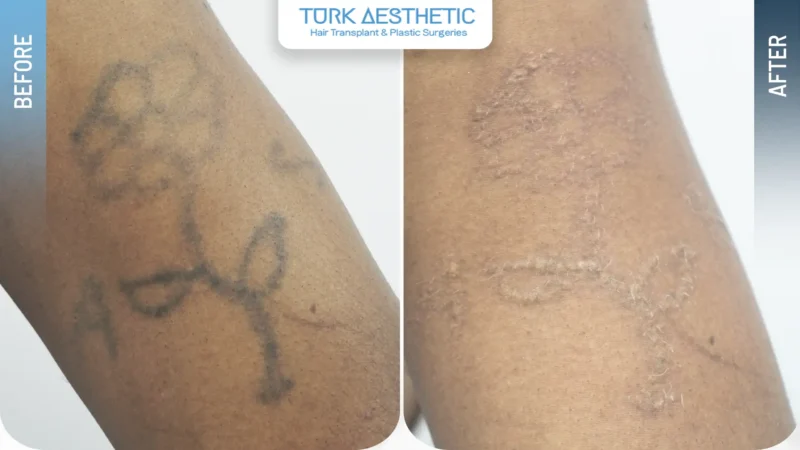
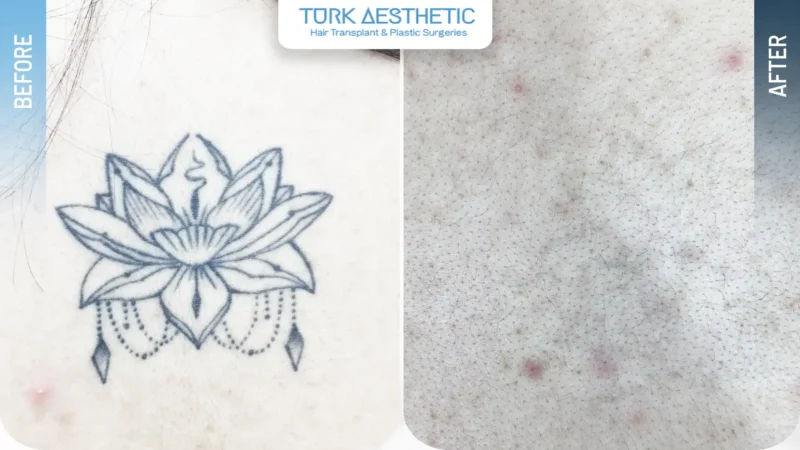
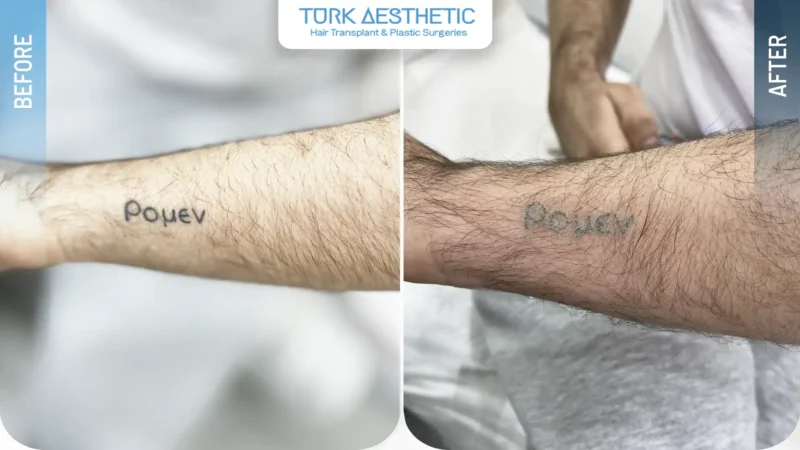
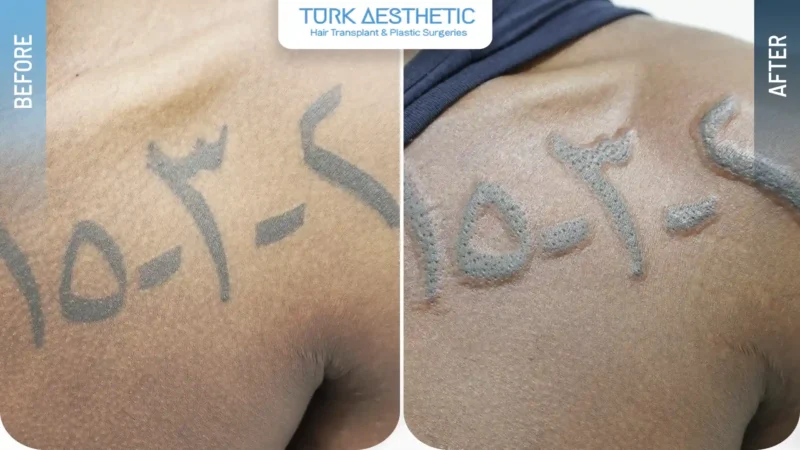
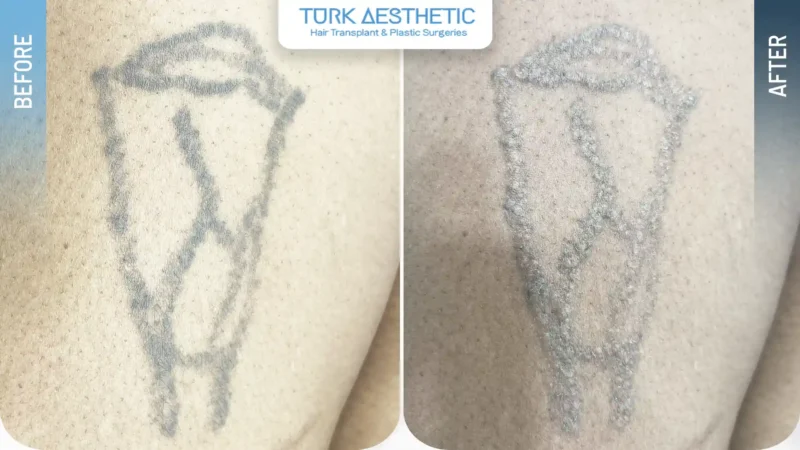
What do these results show?
- The ink gradually fades between sessions
- The skin appearance improves visibly
- Results vary depending on tattoo type
- The laser is effective in removing or significantly fading tattoos
Are results guaranteed for everyone?
Results may vary depending on several factors, including:
- Tattoo color (black ink responds faster)
- Depth of the ink beneath the skin
- Skin type
- Number of sessions and treatment compliance
For this reason, the degree of fading or removal can vary from person to person, but most cases can achieve satisfying results with a proper treatment plan.
Advantages of laser tattoo removal
Laser tattoo removal is one of the most commonly used methods for removing unwanted tattoos. Since it does not require surgery and offers gradual, safe results, it is a suitable option for many people.
Non-surgical procedure
No incisions or surgical intervention are required. Laser pulses directly target the ink pigments, making the procedure more comfortable with a shorter recovery period.
Safe for the skin
When the correct devices and appropriate settings are used, the treatment offers a safe application with minimal impact on the surrounding tissues.
Natural and gradual results
The tattoo fades gradually over several sessions, allowing the skin to recover between treatments and helping the final result appear more balanced and natural.
Frequently Asked Questions
How many sessions are needed for laser tattoo removal?
The number of sessions depends on the tattoo’s characteristics. For optimal results, most people require an average of 8 sessions, with the ink fading gradually after each treatment.
Can a tattoo be completely removed?
In many cases, a tattoo can be removed almost completely, especially if it is black. However, in some cases a slight shadow or faint trace may remain.
Does laser tattoo removal leave scars?
When performed correctly using appropriate laser technology, the risk of permanent scarring is very low. Temporary redness or skin sensitivity may occur after treatment but usually resolves within a short time.
How long does a laser tattoo removal session take?
The duration depends on the size and location of the tattoo, but most sessions take approximately 10 to 30 minutes.
Can colored tattoos also be removed with laser?
Yes. Colored tattoos can also be treated with laser. However, black ink absorbs laser energy more efficiently and usually responds faster, while colored tattoos may require additional sessions depending on the ink colors.
For more information about pricing and treatment details, please visit our Laser Tattoo Removal in Turkey page.