


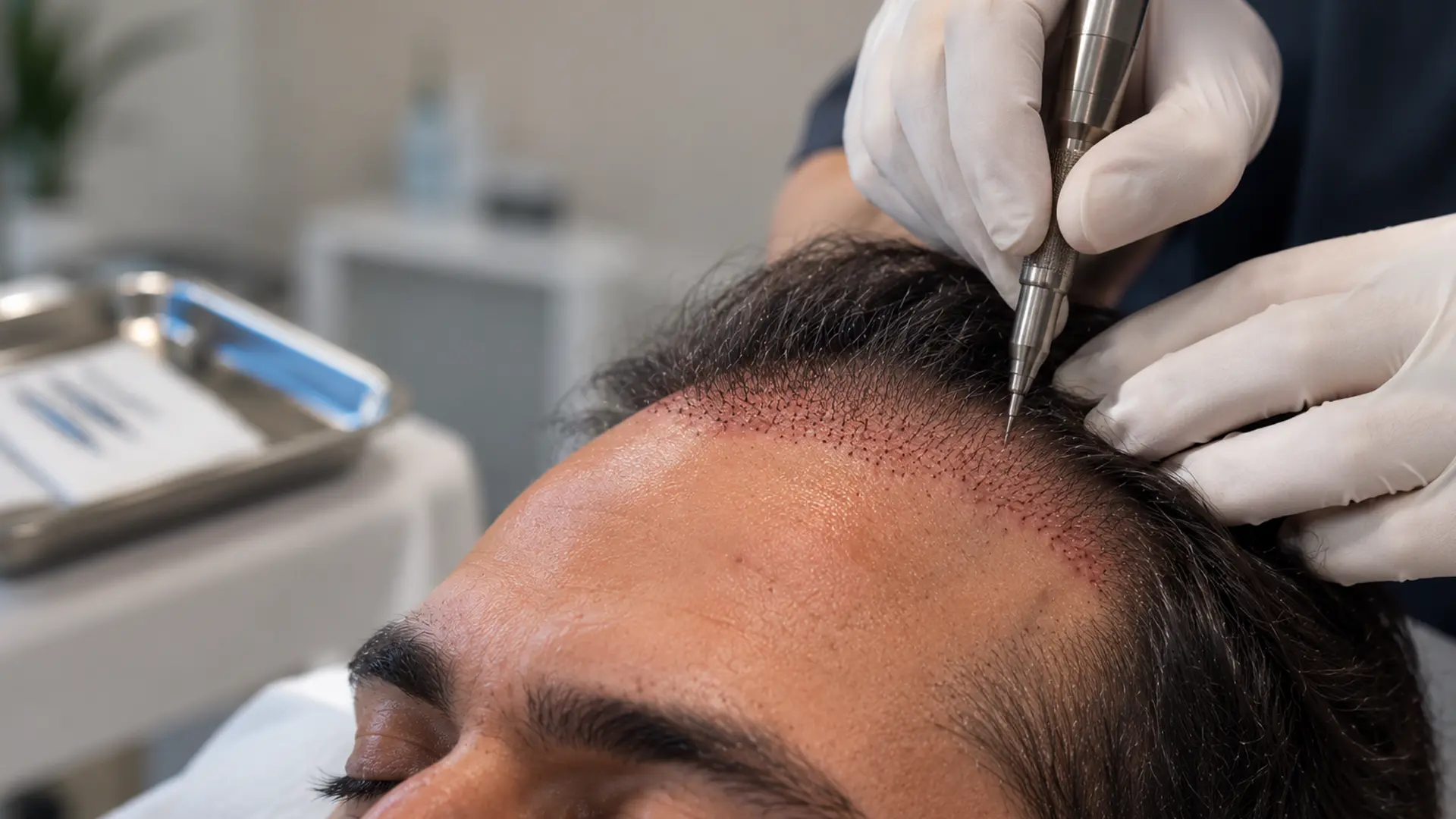
Percutaneous hair transplant is a hair transplantation technique in which small channels are created with fine instruments in the area where the hair follicles will be placed. During channel creation, the natural direction and angle of hair growth as well as the distribution within the transplant area are taken into consideration.
The choice of hair transplant technique is planned according to the pattern of hair loss, donor area capacity, number of grafts required, and individual hair characteristics. Therefore, suitability for the Percutaneous technique should also be evaluated individually.
Percutaneous Hair Transplant Quick Facts
| Feature | Information |
|---|---|
| Anesthesia | Local anesthesia |
| Procedure Duration | Approximately 6–8 hours |
| Hospital Stay | Not required |
| Initial Recovery | Approximately 7–10 days |
| Shock Loss | May occur during the first weeks to 1–3 months |
| New Hair Growth | Usually begins around 3–4 months |
| Final Result | Approximately 12–18 months |
What Is a Percutaneous Hair Transplant?
Percutaneous hair transplant is a technique based on creating microchannels with fine instruments in the recipient area where the grafts will be placed. The direction, angle, and distribution of these channels are planned according to the characteristics of the area being treated.
The key aspect of the technique is not how the hair follicles are extracted, but how the recipient area is prepared and the channels are created. After the hair follicles are extracted from a suitable donor area, they are placed individually into the prepared channels.
For this reason, Percutaneous hair transplant should not be considered a completely separate method of follicle extraction, but rather a technical approach used particularly during the channel creation and graft placement stages of hair transplantation.
For more comprehensive information about hair transplant techniques, the procedure, and treatment planning, you can visit our page about Percutaneous hair transplant in Turkey.
How Is a Percutaneous Hair Transplant Performed?
The general preparation and graft extraction stages of Percutaneous hair transplantation may be similar to those of other hair transplant techniques. The main difference lies in the preparation of the recipient area and the planning of the channels where the grafts will be placed.
Planning the Transplant Area
Before the procedure, the area of hair loss, the direction of the existing hair, and the hairline are evaluated. The boundaries of the transplant area and the distribution of the grafts are determined according to the person’s facial features and existing hair.
Especially along the frontal hairline, not only density but also the direction and angle at which the hair will grow are important for achieving a natural appearance.
Creating the Microchannels
Once planning is complete, small channels are created with fine instruments in the area where the grafts will be placed. The diameter, direction, angle, and depth of the channels are adjusted according to the characteristics of the grafts and the recipient area.
The aim at this stage is to prepare a controlled recipient area that allows the grafts to be placed appropriately.
Placing the Grafts into the Channels
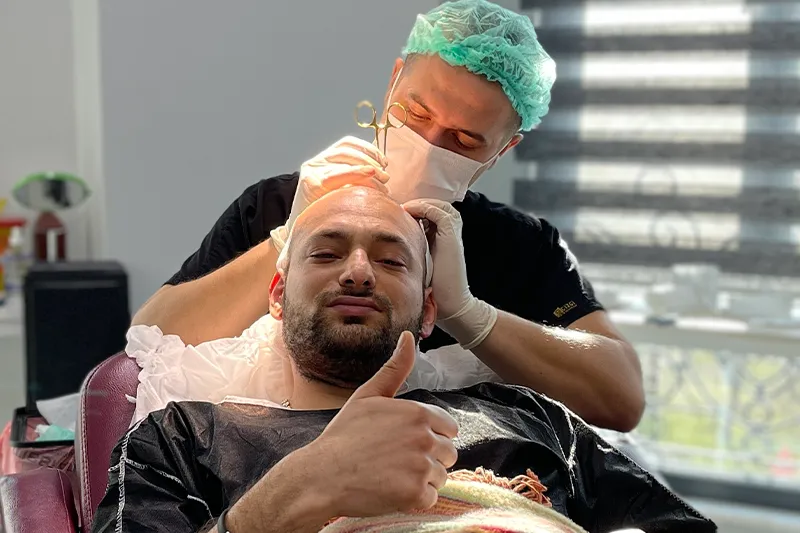
The grafts extracted from the donor area and prepared for transplantation are placed individually into the created channels. During placement, the previously determined hair direction and distribution plan are followed.
Along the frontal hairline, the selection and distribution of suitable grafts can also be planned separately to create a more natural transition.
Features of Percutaneous Hair Transplant
In the Percutaneous technique, detailed planning of the channel creation stage is important. The instruments and channel characteristics should be selected according to the grafts and the area being treated.
The main features of the technique include:
- Creation of small and controlled channels
- Planning the direction and angle of the channels according to the existing hair pattern
- Preparing the recipient area according to the characteristics of the grafts
- Considering the natural direction of hair growth along the frontal hairline
- Planning graft distribution individually according to the transplant area
The outcome does not depend solely on the technique used. The quality of the donor area, graft preservation, pattern of hair loss, transplant plan, and post-procedure care can also affect the final result.
Advantages of Percutaneous Hair Transplant
The main advantage of the Percutaneous technique is that the channels created in the recipient area can be planned in detail in terms of direction, angle, and distribution.
For suitable candidates, potential advantages of the technique include:
- Planning the channels according to the natural direction of hair growth
- Designing the frontal hairline individually
- Controlled distribution of grafts within the transplant area
- Creating a transplant plan that is compatible with the existing hair
- Adjusting the channel pattern according to different areas of hair loss
However, the Percutaneous technique cannot be considered better than other hair transplant techniques for every patient. The appropriate technique should be selected according to the individual’s hair characteristics and donor area.
Who Is Suitable for Percutaneous Hair Transplant?
Percutaneous hair transplant procedures may be considered for people who have sufficient and suitable hair follicles in the donor area and a type of hair loss that is appropriate for hair transplantation.
When determining suitability, the following factors are particularly considered:
- Type and extent of hair loss
- Hair density in the donor area
- Thickness and characteristics of the hair
- Size of the area to be transplanted
- Condition of the existing hair
- Expected hair density
Not every type of hair loss is suitable for hair transplantation. In cases of ongoing hair loss or hair loss associated with certain medical conditions, the underlying cause may need to be evaluated first.
Before Percutaneous Hair Transplant
Before hair transplantation, the hair and scalp are analyzed to evaluate the capacity of the donor area and the area to be transplanted. The hairline and approximate number of grafts required are planned according to this assessment.
Any medications being used, chronic medical conditions, previous hair transplant procedures, and history of hair loss should be reported to the doctor before the procedure. Changes to blood-thinning medications or other treatments should only be made upon the recommendation of the relevant physician.
On the day of the procedure, the scalp should be clean, and the preparation instructions provided by the clinic should be followed.
Recovery After Percutaneous Hair Transplant
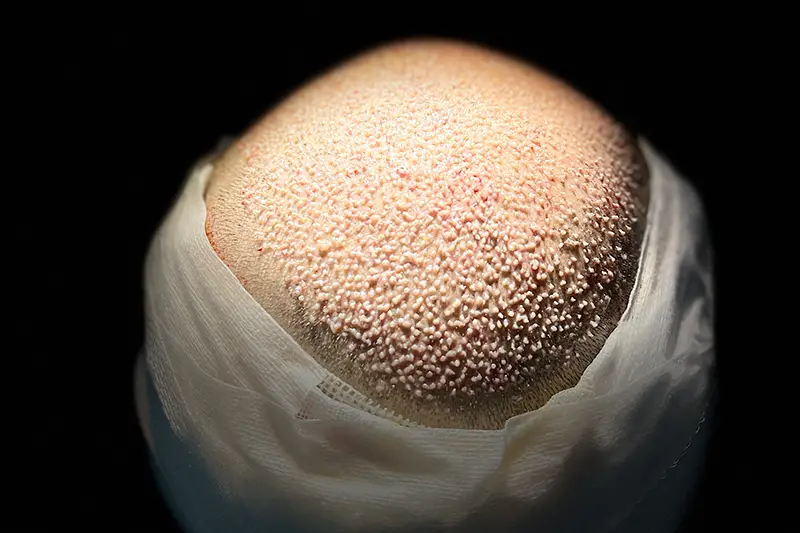
The recovery process after hair transplantation can vary from person to person. During the first few days, redness, mild swelling, sensitivity, and scabbing may occur.
First 3 days: It is important to protect the transplanted area from impact and friction. Instructions regarding sleeping position and aftercare should be followed.
7–10 days: Most of the scabs gradually decrease with proper washing and care. The appearance of the transplant area begins to return to normal.
1–3 months: Temporary shock loss may occur in the transplanted hairs. This does not mean that the hair follicles have been lost.
3–6 months: New hair growth may gradually become noticeable. The first hairs to emerge may initially be thin.
6–12 months: Hair density, thickness, and overall appearance improve noticeably.
12–18 months: Most of the hair growth process is completed, allowing the final result to be evaluated more clearly.
Percutaneous Hair Transplant Results
The results of a hair transplant do not appear immediately. Some of the transplanted hairs may shed during the first few months, after which new hair begins to grow from the implanted follicles.
New hair growth usually becomes noticeable from the third or fourth month. Changes become more visible after the sixth month, while the final appearance is generally evaluated after about 12–18 months.
The density and appearance of the result can vary depending on donor capacity, the number of grafts transplanted, hair characteristics, the extent of hair loss, and the individual’s healing process.
Side Effects and Risks of Percutaneous Hair Transplant
Some effects that occur after hair transplantation may be temporary and part of the normal healing process. These can include:
- Redness
- Mild swelling
- Scabbing
- Itching
- Temporary sensitivity or numbness
- Shock loss
Less commonly, infection, folliculitis, prolonged redness, or irregular hair growth may occur. Proper planning, hygienic conditions, and appropriate aftercare are important for reducing the risk of complications.
Differences Between Percutaneous, Sapphire FUE, and DHI
One of the main differences between hair transplant techniques is how the recipient area is prepared and how the grafts are placed.
| Feature | Percutaneous | Sapphire FUE | DHI |
|---|---|---|---|
| Recipient Area | Channels are created with fine instruments | Channels are created with sapphire blades | Grafts are placed using an implanter pen |
| Channel Creation | Includes a separate channel creation stage | Includes a separate channel creation stage | Usually does not require a separate channel creation stage |
| Graft Placement | Into the prepared channels | Into channels created with sapphire blades | Using an implanter pen |
| Direction and Angle Planning | During channel creation | During channel creation | During placement with the implanter |
| Technical Focus | Microchannel planning | Channel creation with sapphire blades | Direct placement with an implanter pen |
The choice of technique should not be based solely on its name. The transplant area, donor capacity, condition of the existing hair, and number of grafts required should all be evaluated when selecting the most suitable method.
Frequently Asked Questions
Is Percutaneous hair transplant permanent?
Hair follicles extracted from the donor area and successfully established in the recipient area have the potential for long-term growth. However, hair loss in the person’s existing non-transplanted hair may continue in the following years.
Is Percutaneous hair transplant painful?
The procedure is usually performed under local anesthesia. Brief discomfort may be felt during the administration of anesthesia, after which pain in the treatment area is significantly reduced.
How long does a Percutaneous hair transplant take?
The duration varies depending on the number of grafts to be transplanted and the size of the treatment area, but most procedures may take approximately 6–8 hours.
How many grafts can be transplanted with the Percutaneous technique?
There is no fixed number of grafts. The amount that can be transplanted is determined individually according to donor capacity, the extent of hair loss, and the planned density.
Does Percutaneous hair transplant leave scars?
Temporary marks and redness may occur in the donor and recipient areas during the healing process. The risk of permanent scarring varies according to the graft extraction method, skin characteristics, and individual healing.
Does shock loss occur after Percutaneous hair transplant?
Yes. Shock loss may occur in the transplanted hairs during the first weeks or months. Since the hair follicles remain beneath the skin, new hair growth is expected afterward.
When does transplanted hair start to grow?
New hair growth usually becomes noticeable from the third or fourth month. Hair density continues to improve over the following months, and the result generally becomes clearer within 12–18 months.
What is the difference between Percutaneous and Sapphire FUE?
In both approaches, channels may be created in the recipient area before the grafts are placed. The main difference lies in the characteristics of the instruments used to create the channels and the application approach.
Which is better, Percutaneous or DHI?
There is no single technique that is better for every patient. In DHI, grafts are placed using an implanter pen, while in the Percutaneous technique the recipient channels are prepared first. The appropriate choice depends on hair characteristics, the transplant area, and donor capacity.
Is Percutaneous hair transplant suitable for everyone?
No. Suitability for hair transplantation should be determined by evaluating the cause of hair loss, adequacy of the donor area, general health status, and individual expectations.