


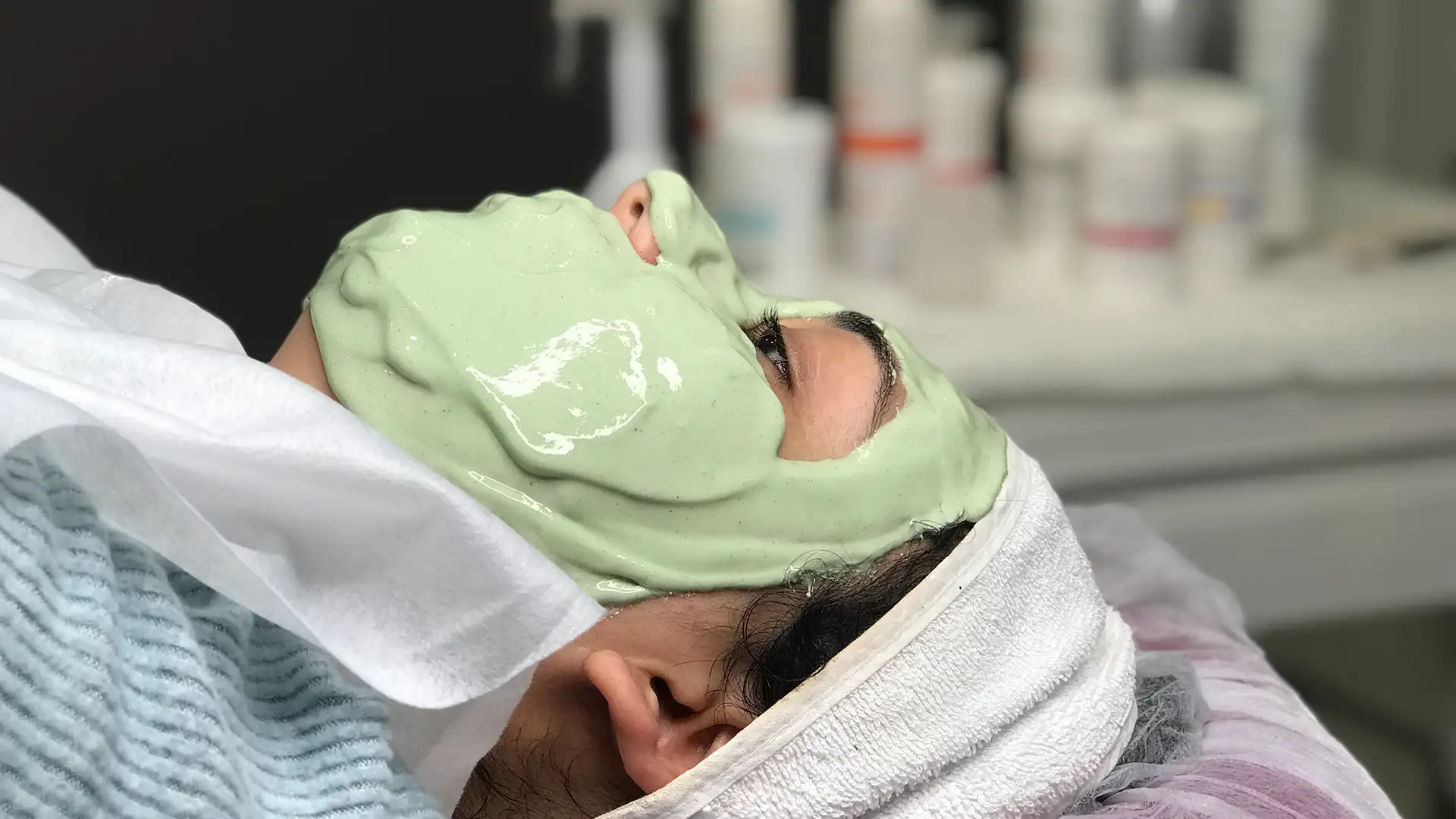
Hydrafacial is a multi-step skincare treatment that combines cleansing, gentle exfoliation, vacuum-assisted pore extraction, and hydration. It may help improve the appearance of dull skin, clogged pores, and minor surface texture irregularities.
The procedure can be customized according to skin type and individual needs. Sessions are generally short and require little to no downtime. However, it does not replace treatments for deep acne scars, pronounced wrinkles, or active skin conditions.
| Method | Cleansing, superficial exfoliation, vacuum extraction, and hydration |
| Duration | Usually 30–60 minutes |
| Number of sessions | Determined by individual skin needs |
| Recovery time | Usually no significant downtime |
| Treatment areas | Face; neck and décolletage when appropriate |
For more information about treatment options and the patient process, read our article on Hydrafacial in Turkey.
What Is Hydrafacial?
This device-assisted skincare treatment combines several steps in a single session. It aims to cleanse the skin’s surface, remove impurities from pores through controlled suction, and apply solutions suited to individual skin needs.
As one of the non-surgical aesthetic procedures, it differs from traditional facials by combining device-assisted exfoliation with vacuum extraction. The treatment works on the skin’s surface and should not be confused with deeper procedures such as traditional dermabrasion or laser skin resurfacing.
Hydrafacial vs. Traditional Facial: Key Differences
Both treatments aim to cleanse the skin and improve its appearance. However, they differ in the techniques used, pore cleansing methods, and treatment steps.
| Feature | Hydrafacial | Traditional Facial |
|---|---|---|
| Method | Specialized device and vacuum technology | Manual cleansing and skincare products |
| Pore cleansing | Controlled vacuum extraction | Manual blackhead and whitehead extraction may be performed |
| Exfoliation | Device-assisted superficial exfoliation | Enzymatic, mechanical, or chemical exfoliation |
| Hydration | Skincare solutions applied using the device | Masks, serums, and moisturizers |
| Comfort | Usually a mild suction sensation | Some sensitivity may occur during manual extraction |
| Duration | Usually 30–60 minutes | Usually 45–90 minutes |
Which treatment is better? Both have their advantages. Device-assisted skincare may be suitable for people seeking cleansing and hydration in one session, while traditional facials allow different manual cleansing and skincare steps to be tailored to individual needs. The most appropriate option depends on skin type and existing concerns.
Benefits of Hydrafacial
This treatment aims to support a cleaner, more hydrated, and balanced skin appearance. Results may vary depending on skin type, the solutions used, and existing skin concerns.
- Deep cleansing: May help remove surface buildup and excess oil from pores.
- Hydration: The applied solutions may help the skin feel softer and more moisturized.
- Brighter appearance: May temporarily improve the appearance of dull or tired-looking skin.
- Pore appearance: Removing buildup from pores may help the skin look smoother.
- Surface texture: Gentle exfoliation may improve the feel of minor skin texture irregularities.
These effects vary from person to person and do not represent permanent skin renewal or treatment of medical skin conditions.
How Is Hydrafacial Performed?
The procedure consists of several steps tailored to individual skin needs. Device tips and skincare solutions are selected according to skin type and sensitivity.
1. Skin Analysis and Cleansing
Skin type, sensitivity, and existing concerns are assessed first. Makeup, oil, and surface buildup are then removed to prepare the skin for treatment.
2. Exfoliation and Superficial Peeling
Dead skin cells are gently removed using a specialized device tip. Superficial peeling may also be performed with solutions suitable for the skin type. This step may help improve skin smoothness.
3. Vacuum Pore Cleansing
Controlled vacuum technology is used to remove excess oil and superficial buildup from pores. Suction intensity should be adjusted according to skin sensitivity.
4. Hydration and Skincare Solutions
After cleansing, moisturizing and skincare solutions suited to individual needs are applied. The goal is to support skin hydration and provide a softer feel after treatment.
Who Is Hydrafacial Suitable For?
This treatment may be considered for people seeking superficial skincare with minimal downtime. Suitability should be determined after assessing skin condition and individual sensitivities.
- Dull-looking skin: People seeking a fresher, more hydrated appearance.
- Clogged pores: People with blackheads and excess oil buildup.
- Minor texture irregularities: People looking to improve mild unevenness in skin texture.
- Dry skin: People seeking additional hydration and suitable skincare support.
- Regular skincare: People interested in professional skincare sessions tailored to their skin type.
The treatment may need to be postponed in cases of active skin infections, open wounds, significant irritation, or certain active dermatological conditions. Additional assessment is necessary for very sensitive skin or known allergies to the solutions used.
What to Know Before Hydrafacial
Products and procedures that may irritate the skin might need to be avoided before the session. Preparation should be tailored to individual skin type and sensitivity.
- Inform the practitioner about ongoing acne treatments, retinoids, and products containing acids.
- Disclose any recent laser treatments, chemical peels, or other skin procedures.
- Open wounds, cold sores, or active skin infections should be assessed before treatment.
- Share any known allergies to cosmetic ingredients or existing skin sensitivities.
- Avoid excessive sun exposure before the session.
Skincare After Hydrafacial
Most people can return to their daily activities shortly after treatment. However, temporary skin sensitivity may occur, so gentle skincare is recommended during the first few days.
- Cleanse the skin with a gentle cleanser.
- Use a moisturizer suitable for your skin type.
- Protect the skin from sun exposure and apply appropriate sunscreen.
- Follow the practitioner’s advice on when to resume retinoids, acids, and exfoliating products.
- Avoid intensive exfoliation and potentially irritating skincare procedures during the first day.
- Seek medical assessment if significant redness, burning, or an allergic reaction develops.
Possible Side Effects
This is generally a superficial skincare procedure. However, as with other facial treatments, temporary reactions and occasionally unwanted effects may occur.
- Temporary redness and skin sensitivity
- Mild dryness or a feeling of tightness
- Temporary irritation in areas treated with vacuum suction
- Irritation or allergic reactions to the solutions used
- Temporary breakouts or worsening of existing concerns in sensitive skin
The likelihood of side effects depends on skin type, the products used, and treatment intensity.
Hydrafacial Before and After
Results may vary depending on the skin’s initial condition and the treatment steps performed. After a session, the skin may appear cleaner, more hydrated, and refreshed.
- Skin cleansing: Removing excess surface oil and buildup may help the skin look cleaner.
- Hydration: The skin may feel softer and more moisturized.
- Radiance: Dullness may temporarily become less noticeable.
- Pore appearance: Cleansed pores may appear less visible.
- How long results last: The duration of the effects depends on skin type, home skincare, and treatment frequency.
The procedure does not eliminate deep acne scars or permanently shrink pores. Realistic expectations are important when evaluating the results.
Frequently Asked Questions
What is Hydrafacial?
It is a device-assisted skincare treatment combining cleansing, gentle exfoliation, vacuum pore extraction, and hydration.
How long does the treatment take?
A session usually takes 30–60 minutes, depending on the steps involved.
How many sessions are needed?
The number and frequency of sessions depend on individual skin needs. There is no fixed schedule for everyone.
Can this treatment help with acne?
It may help cleanse pores, but it does not replace medical treatment for active acne.
Can I wear makeup afterward?
It depends on skin sensitivity. Avoiding makeup for a period after the session may help reduce irritation.
Does the procedure shrink pores?
Pores may temporarily appear smaller after cleansing, but permanent pore reduction is not expected.