


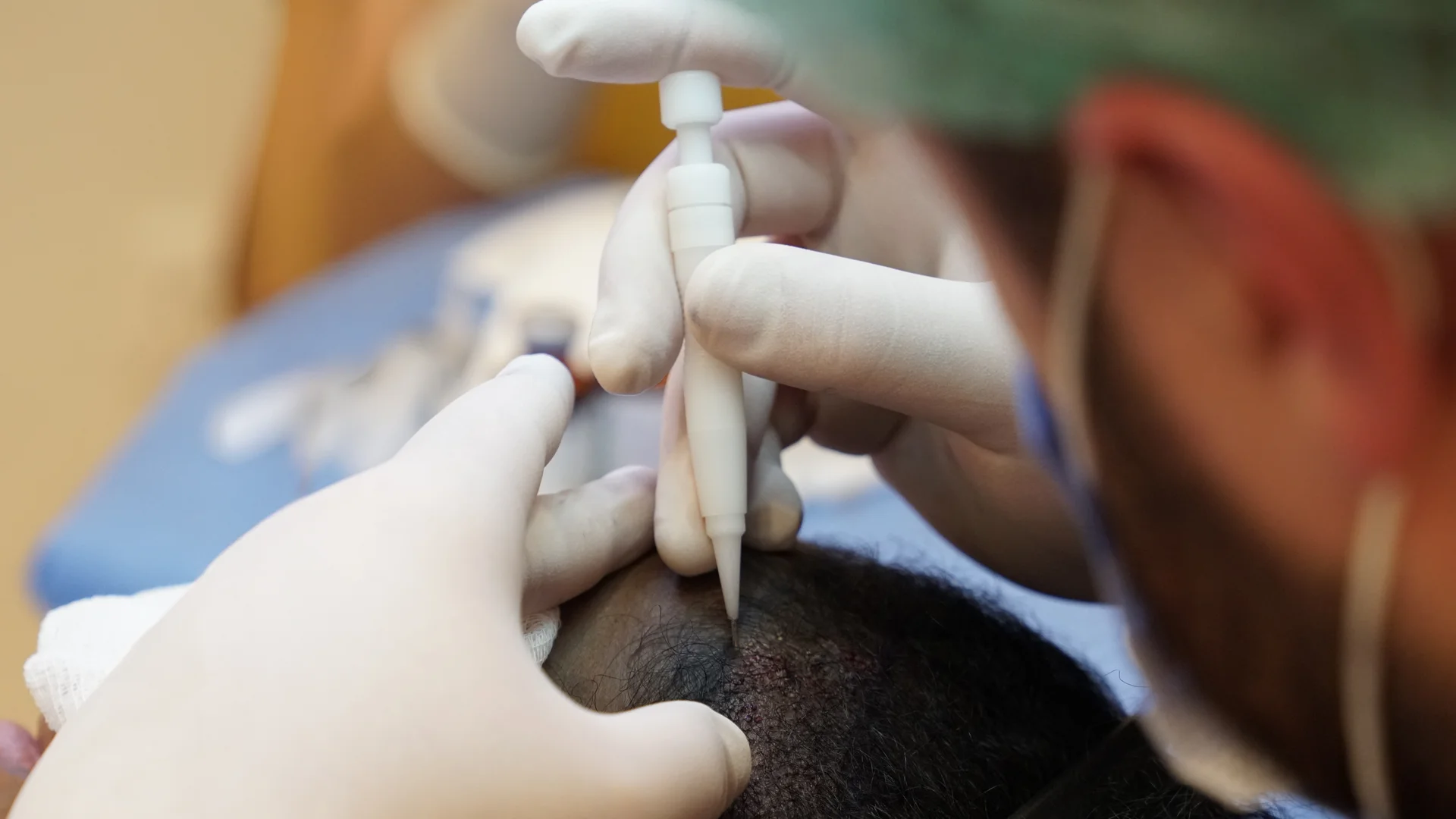
Female hair transplant is a permanent hair restoration procedure for women experiencing hair loss, localized bald areas, or noticeable hair thinning. During the procedure, healthy hair follicles are usually taken from the donor area at the back of the head and transplanted into the areas where they are needed, taking into account the natural direction of hair growth and existing hair density.
Since the pattern and causes of hair loss in women can vary from person to person, the transplant plan is customized after analyzing the hair and donor area. The most suitable method, such as FUE, DHI, or unshaven hair transplant, is selected with the aim of preserving a natural hairline and achieving a result that blends well with the existing hair.
| Feature | Information |
|---|---|
| Procedure Duration | 4–8 hours |
| Anesthesia | Local anesthesia |
| Methods Used | FUE, DHI, Unshaven Hair Transplant |
| Donor Area | Usually the back of the head |
| Recovery Period | Approximately 7–10 days |
| New Hair Growth | After approximately 3–4 months |
| Final Results | Usually within 12–18 months |
| Result Longevity | Healthy transplanted hair follicles are permanent |
Women considering hair transplantation abroad can visit our Female Hair Transplant in Turkey page for more detailed information about the process, planning, and procedure.
What Is a Female Hair Transplant?
A female hair transplant is a procedure in which healthy hair follicles are transplanted into areas affected by hair loss or noticeable thinning. As one of the hair transplant procedures, the follicles are usually taken from the donor area at the back of the head, where the hair is generally more resistant to hair loss, and individually placed into the areas where greater density is needed.
Unlike men, hair loss in women often appears as diffuse thinning across a wider area. For this reason, the cause of hair loss, donor area density, and condition of the existing hair are evaluated before the procedure. In suitable candidates, one of the FUE, DHI, or unshaven hair transplant methods may be selected with the aim of achieving a natural and balanced appearance that blends with the existing hair.
Causes of Hair Loss in Women
Hair loss in women may not be caused by a single factor. Various conditions, ranging from genetic factors to hormonal changes, can lead to hair thinning, reduced density, or noticeable thinning in specific areas.
The main causes include:
- Genetic predisposition: A family history of hair loss may increase the risk of female pattern hair loss.
- Hormonal changes: Pregnancy, the postpartum period, and menopause can affect hair growth and hair loss.
- Thyroid problems: Imbalances in thyroid hormones can cause hair thinning and hair loss.
- Nutritional deficiencies: Deficiencies in iron, protein, zinc, and certain vitamins may affect hair health.
- Stress: Intense physical or psychological stress may trigger temporary hair loss.
- Certain medical conditions and medications: Some health conditions or medications may contribute to hair loss.
- Hair-damaging practices: Frequently wearing the hair in tight hairstyles, excessive heat, and chemical treatments can damage the hair over time.
It is important to determine the cause of hair loss before planning a hair transplant. In particular, when hair loss is ongoing or related to an underlying health condition, the cause should first be evaluated.
How Is a Female Hair Transplant Performed?
A female hair transplant follows the same basic stages as a standard hair transplant. However, because the distribution of hair loss, existing hair density, and aesthetic expectations can differ in women, the procedure is planned individually. In suitable patients, the transplant can also be performed without shaving all of the hair.
Hair Analysis and Planning
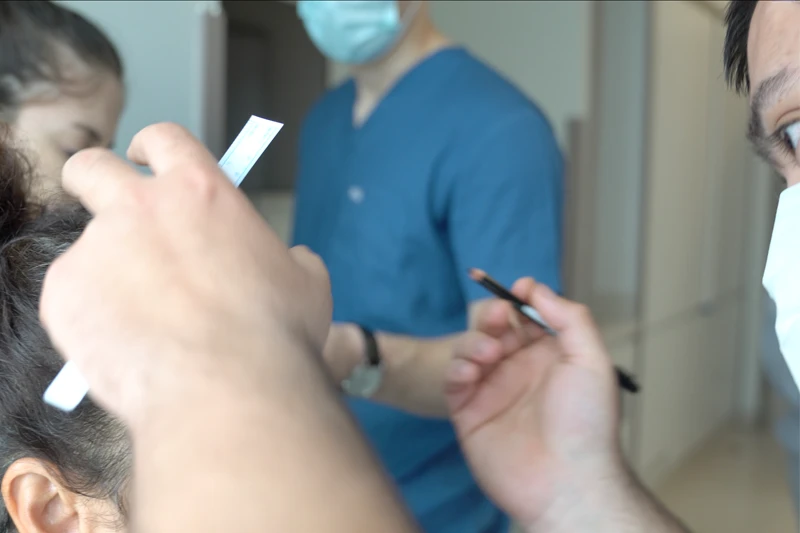
First, the pattern of hair loss, existing hair density, and capacity of the donor area are evaluated. The areas to be transplanted are identified, and the approximate number of grafts required is planned. If transplantation is needed along the hairline, a natural design is created by considering the facial features and existing hair structure.
Hair Follicle Extraction
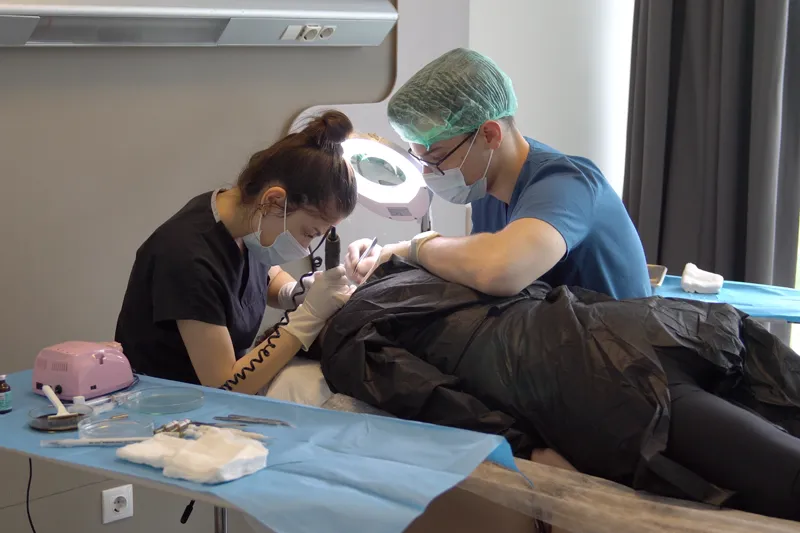
After the donor area is prepared and local anesthesia is applied, healthy hair follicles are usually extracted individually from the back of the head. The collected grafts are preserved under appropriate conditions until the implantation stage.
Hair Follicle Implantation
The extracted hair follicles are placed into the planned areas affected by thinning or hair loss. The direction, angle, and distribution of the grafts are determined to blend with the existing hair, with the aim of creating natural and balanced hair density.
Female Hair Transplant Methods
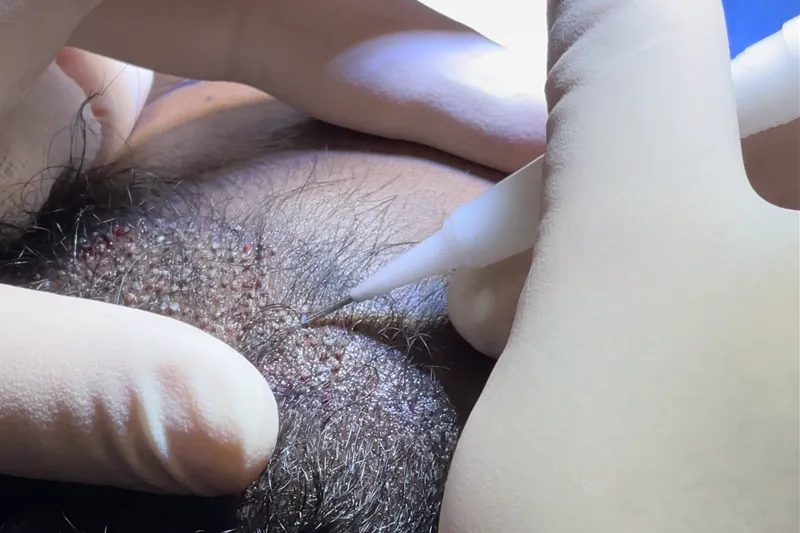
The method used for a female hair transplant is determined according to the pattern of hair loss, the size of the area to be treated, the condition of the donor area, and the density of the existing hair. The most commonly preferred methods include FUE, DHI, and, in suitable patients, unshaven hair transplantation.
FUE Hair Transplant
With FUE hair transplant, hair follicles are extracted individually from the donor area using micro-sized instruments. The collected grafts are then transplanted into the planned areas while taking the natural direction and desired density of the hair into account. It is one of the methods that may be preferred when larger areas require transplantation.
DHI Hair Transplant
DHI hair transplant is a method in which the extracted hair follicles are placed directly into the transplant area using special implanter pens. Because it allows controlled implantation between existing hairs, it may be preferred for women with localized hair thinning.
Unshaven Hair Transplant
Unshaven hair transplant is an approach that allows the procedure to be planned without shaving all of the hair. It can be particularly advantageous for women who wish to maintain their long hair. However, suitability depends on the structure of the donor area, the number of grafts required, and the selected transplantation technique.
What to Consider Before a Female Hair Transplant
Before a female hair transplant, the cause of hair loss, the suitability of the donor area, and the patient’s general health should be evaluated. Once suitability for the procedure has been determined, the transplant plan is customized for the individual. Following the doctor’s recommendations during the preparation period helps support a smoother procedure and recovery process.
In general, the following points should be considered before a hair transplant:
- Inform the doctor about medications: Any medications and supplements taken regularly should be reported to the doctor.
- Consult the doctor about blood thinners: These medications should not be discontinued without medical advice.
- Avoid smoking and alcohol: Reducing or avoiding their consumption may be recommended during the period before the procedure.
- Keep the hair and scalp clean: Hair spray, gel, oils, or similar cosmetic products should not be applied on the day of the procedure.
- Plan hair coloring: The clinic’s recommendations regarding hair coloring close to the procedure should be followed.
- Prepare comfortably for the procedure: Comfortable clothing should be worn, and meals should be taken before the procedure according to the instructions provided.
For women in particular, it is important to evaluate whether ongoing hair loss is related to hormonal factors, nutritional deficiencies, or another underlying health condition. Hair transplantation should be planned for suitable candidates after considering the pattern and condition of hair loss.
Recovery After a Female Hair Transplant
After a female hair transplant, the doctor’s recommendations should be followed carefully, especially during the first few days, to protect the transplanted follicles and support proper healing. Mild redness, sensitivity, and scabbing during the first weeks are generally expected.
The recovery and hair growth process generally progresses as follows:
- First 3 days: The transplant area should be protected from contact, impact, and friction. The recommended sleeping position should also be followed.
- First wash: It is usually performed at the time specified by the clinic and according to the recommended washing method. Pressure should not be applied to the transplanted area.
- 7–10 days: Scabbing decreases significantly, and the appearance of the scalp gradually begins to return to normal.
- 1–3 months: Temporary shock loss of the transplanted hairs may occur. The hair follicles remain beneath the skin.
- 3–6 months: New hair begins to grow and gradually becomes stronger.
- 6–12 months: The improvement in hair density becomes more noticeable.
- 12–18 months: The development of the transplanted hair is largely complete, and the final result can be evaluated.
Since grafts can be transplanted between existing hairs in women, care should be taken during the recovery period to protect both the transplanted follicles and the surrounding natural hair.
Female Hair Transplant Side Effects and Risks
Female hair transplant is generally considered a safe procedure when performed on suitable candidates with proper planning. However, as with other hair transplant procedures, some temporary side effects may occur after the treatment.
The most common possible side effects include:
- Redness and sensitivity: These may occur in the transplant and donor areas during the first few days.
- Swelling: Temporary swelling may occur, particularly around the forehead.
- Scabbing: Small scabs may form around the hair follicles and usually decrease during the first several days.
- Itching: Temporary itching of the scalp may occur during the healing period.
- Shock loss: Some of the transplanted hairs may temporarily shed during the first few months.
- Infection: Although rare, the risk may increase if proper aftercare and hygiene instructions are not followed.
- Temporary changes in sensation: Short-term numbness or sensitivity may occur in the donor or transplant area.
When grafts are transplanted between existing hairs in women, temporary shedding of some surrounding hair may also occur. Proper candidate selection, accurate transplant planning, and following post-procedure care instructions are important for reducing the risk of complications.
Frequently Asked Questions
Is female hair transplant permanent?
Yes. Healthy hair follicles taken from the donor area that successfully establish after transplantation generally retain their permanent characteristics. However, hair loss may continue over time in the existing non-transplanted hair.
When are female hair transplant results visible?
New hair growth usually begins around the third or fourth month. Hair density and thickness gradually increase, with results generally becoming more noticeable around 12 months. In some patients, development may continue for 12–18 months.
What is the success rate of female hair transplant?
Success depends on several factors, including donor area quality, the cause of hair loss, the method used, graft preservation, and post-procedure care. Therefore, there is no single success percentage that applies to every patient. Proper candidate selection and accurate planning play an important role in the outcome.
What are the advantages of female hair transplant?
The main advantages include using the patient’s own hair follicles, the ability to implant grafts according to the natural direction of hair growth, and the long-term results provided by healthy transplanted follicles. In suitable patients, the procedure may also be planned without shaving all of the hair.
Does the hair need to be completely shaved for a female hair transplant?
No. Depending on the method used, the number of grafts required, and the condition of the donor area, only a small part of the donor area may need to be shaved. An unshaven hair transplant may also be considered for suitable patients.
Is female hair transplant painful?
The procedure is performed under local anesthesia, so pain is largely controlled during transplantation. Brief discomfort may be experienced during the administration of anesthesia, followed by mild sensitivity after the procedure.
How long does a female hair transplant take?
The duration depends on the number of grafts required, the method used, and the size of the transplant area. A female hair transplant usually takes approximately 4–8 hours.
Does shock loss occur after a female hair transplant?
Yes. Some transplanted hairs may temporarily shed during the first few months after the procedure. This does not mean that the transplanted follicles have been lost; new hair begins to grow again during the following months.
Can transplanted hair fall out again?
Healthy transplanted follicles that successfully establish generally retain the characteristics of the donor area. However, the patient’s natural non-transplanted hair may continue to thin or shed over time due to genetic or other factors.
Can every woman have a hair transplant?
No. The cause of hair loss, donor area capacity, whether hair loss is still progressing, and general health should be evaluated. In women with diffuse hair thinning, the donor area itself may also be affected, which can limit suitability for hair transplantation.