


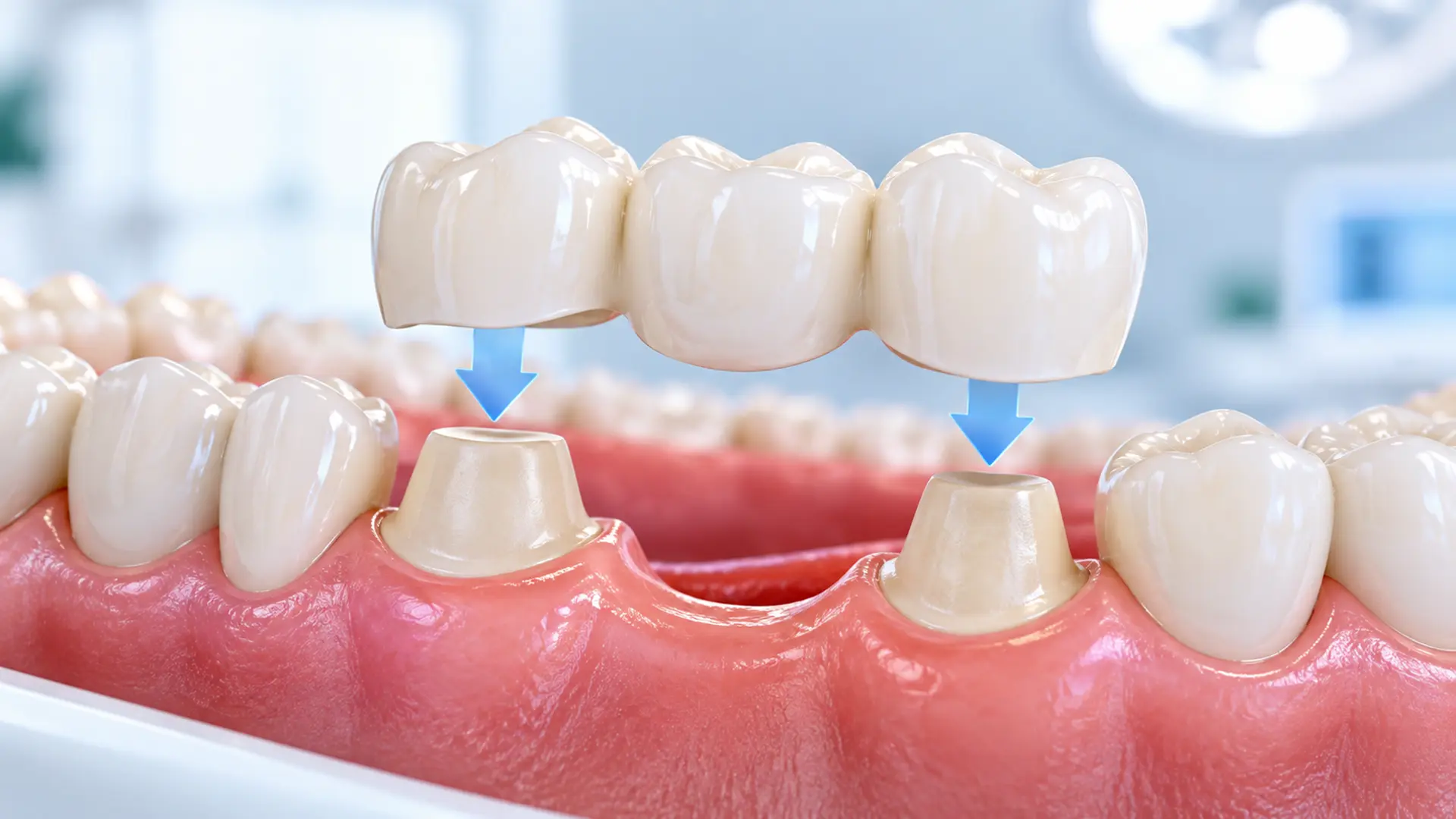
What Is a Dental Bridge?
A dental bridge is a fixed dental restoration used to replace one or more missing teeth by filling the gap they leave behind. In a traditional bridge, the natural teeth on either side of the gap provide support for an artificial tooth. The aim is to restore chewing function, improve speech comfort, and maintain a natural-looking smile.
Dental bridge treatment is one of the procedures offered within dental treatments and aesthetics. The treatment plan depends on the number of missing teeth, the condition of neighboring teeth, gum health, and the patient’s bite. Different materials may be used, including zirconia and porcelain fused to metal. The dentist determines the most suitable type of bridge after a clinical examination and the necessary assessments.
| Quick Facts | Dental Bridge |
|---|---|
| Anesthesia | Local anesthesia when needed |
| Average Clinic Visits | 2–3 visits |
| Average Treatment Time | Approximately 5–7 days |
| Materials Used | Zirconia, porcelain fused to metal, and other suitable materials |
| Recovery | Temporary sensitivity may occur |
| Type of Restoration | Fixed, non-removable restoration |
Patients planning to undergo treatment in Turkey can learn more about the available options, the treatment process in Istanbul, and prices in our article about dental bridges in Turkey.
Who Is a Dental Bridge Suitable For?
Dental bridge treatment may be suitable for people who have lost one or more teeth and want to replace them with a fixed restoration. Eligibility depends on the location of the missing teeth, the health of neighboring teeth, and the condition of the gums and supporting bone.
A dental bridge may be considered in the following situations:
- People who are missing one or more teeth.
- Those experiencing difficulty chewing or speaking because of missing teeth.
- People who are unhappy with the appearance of gaps caused by missing teeth.
- Patients whose neighboring teeth are suitable for supporting a bridge.
- Those who are not suitable candidates for dental implants or wish to consider another fixed tooth replacement option.
However, not every case of tooth loss can be treated with a dental bridge. Advanced decay in the supporting teeth, gum disease, or insufficient bone support may affect the treatment plan. The most appropriate bridge type is therefore determined after a clinical examination and any necessary dental imaging.
How Is a Dental Bridge Done?
Dental bridge treatment is planned according to the location of the missing teeth, the condition of the supporting teeth, and the type of bridge selected. With a traditional dental bridge, the neighboring teeth are prepared, impressions are taken, and a custom-made bridge is fixed in place. Treatment is usually completed over several clinic visits.
Total Time: 7 days
Examination and Treatment Planning
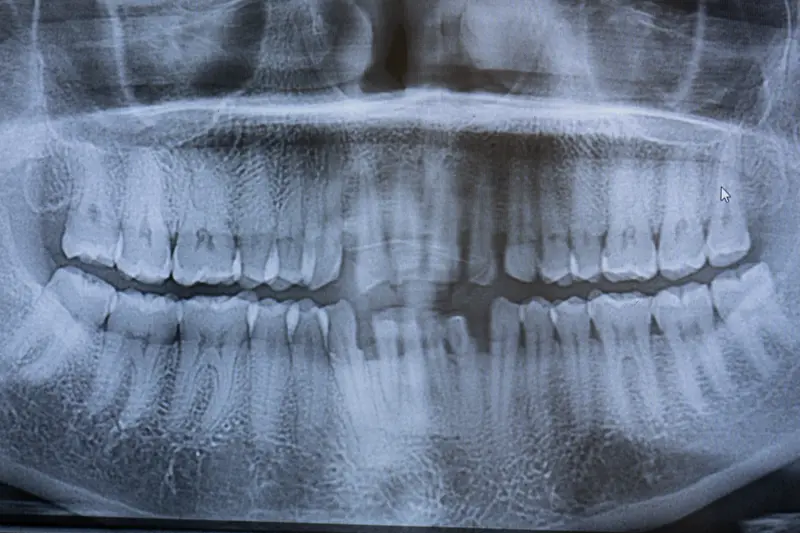
The dentist examines the area of the missing teeth and evaluates the condition of the neighboring teeth and gums. Dental X-rays may be taken when needed to determine whether the supporting teeth are suitable for a bridge. The bridge type and materials are also selected at this stage.
Preparation of the Supporting Teeth
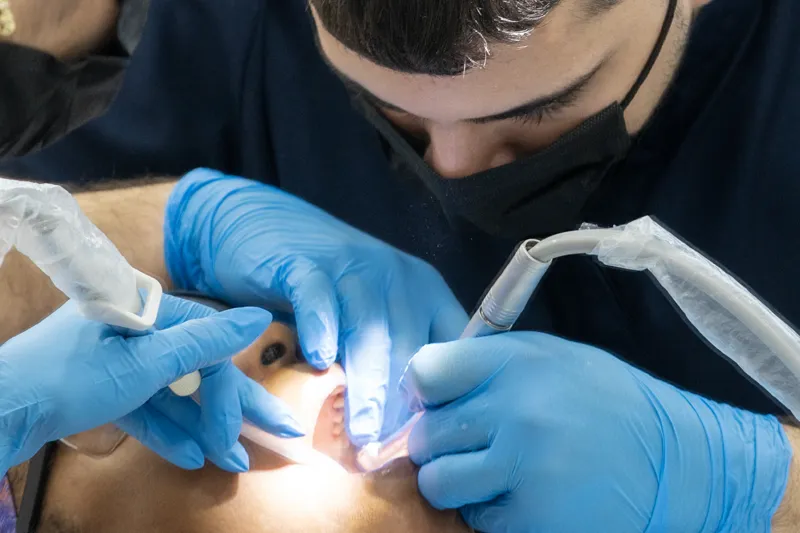
For a traditional dental bridge, the teeth on both sides of the gap are prepared to support the restoration. This may involve removing a certain amount of tooth structure from their outer surfaces. Local anesthesia is used when necessary to keep the patient comfortable.
Taking Impressions and Making the Bridge
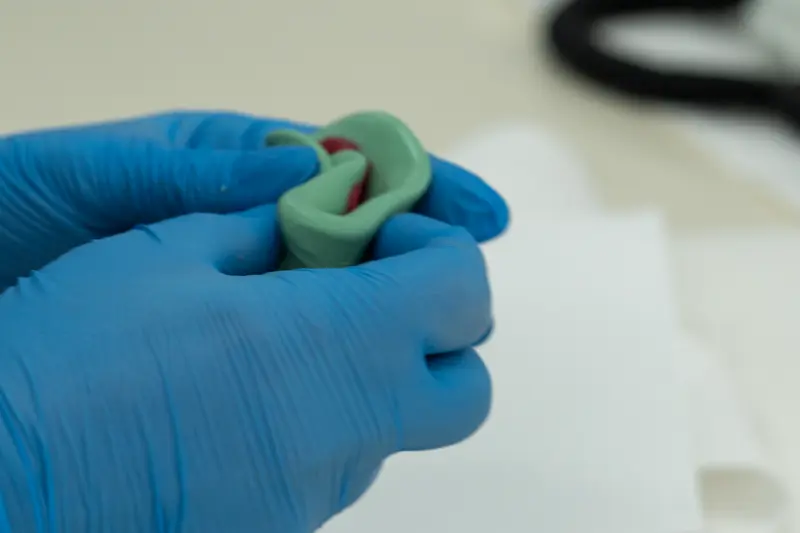
Impressions of the prepared teeth are taken using conventional or digital methods. The bridge is then made in a dental laboratory, taking into account the color and shape of the teeth and the patient’s bite. A temporary bridge may be provided if needed while the permanent restoration is being prepared.
Dental Bridge Placement
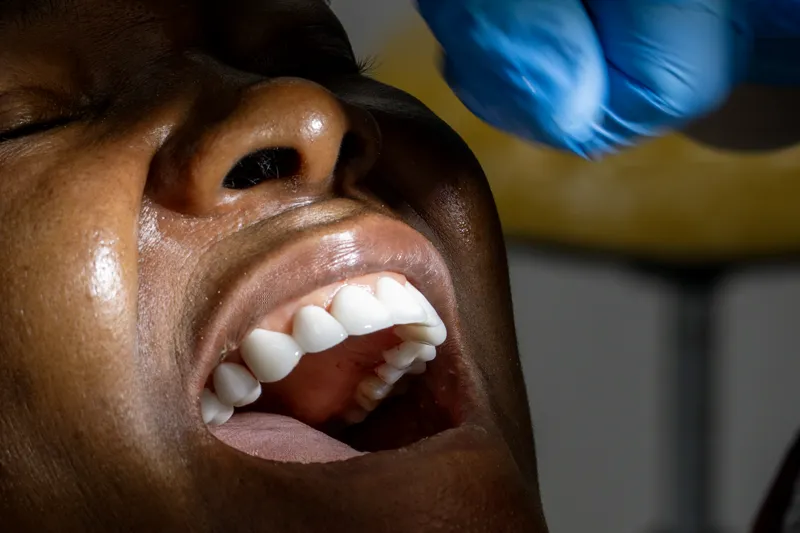
The completed dental bridge is tried in the mouth to check its fit, color, and bite alignment. After any necessary adjustments, it is secured using suitable dental cement. The patient receives instructions on cleaning and caring for the bridge.
These steps apply to traditional dental bridges. Preparation and placement may differ for Maryland bridges or implant-supported bridges.
Types of Dental Bridges
Different types of dental bridges may be used depending on the location of the missing teeth and the condition of the neighboring teeth. There are four main types:
Traditional Dental Bridge
A traditional dental bridge is one of the most commonly used options. The natural teeth on both sides of the gap are prepared to support dental crowns, which hold the artificial tooth in place. The bridge can be made from zirconia or porcelain fused to metal.
Maryland Dental Bridge
A Maryland bridge uses thin wings bonded to the back surfaces of neighboring teeth to hold the artificial tooth in place. It may require less removal of natural tooth structure than a traditional bridge and is commonly considered for suitable cases involving missing front teeth.
Cantilever Dental Bridge
A cantilever dental bridge is supported by natural teeth on only one side of the gap. It may be considered when suitable supporting teeth are not available on both sides. However, because of chewing forces, this type of bridge is not always appropriate, particularly for back teeth.
Implant-Supported Dental Bridge
An implant-supported dental bridge is anchored to dental implants placed in the jawbone rather than natural teeth. It may be used to replace several missing teeth without preparing healthy neighboring teeth. However, it requires a surgical procedure and sufficient bone support.
Before Dental Bridge Treatment
Before dental bridge treatment, it is important to ensure that the supporting teeth and gums are healthy. If the examination reveals tooth decay, gum disease, or problems with existing fillings, these conditions may need to be treated before the bridge is placed.
Important considerations before treatment include:
- Existing dental and gum problems should be evaluated.
- Inform your dentist about any medications you take and relevant medical conditions.
- Tell your dentist if you clench or grind your teeth.
- Discuss the bridge material, color, and expected appearance before treatment.
- Maintain good oral hygiene and clean your teeth regularly.
Proper preparation helps identify potential problems that could affect how well the bridge fits the supporting teeth and how long it lasts.
After Dental Bridge Treatment
During the first few days after dental bridge placement, you may experience mild sensitivity or an unfamiliar feeling in your mouth. Most patients adjust to their new bridge relatively quickly. However, keeping the supporting teeth and the area beneath the bridge clean is essential for maintaining the restoration over time.
Important aftercare instructions include:
- If local anesthesia was used, avoid chewing until the numbness has completely worn off.
- Be careful with very hard or sticky foods during the first few days.
- Brush your teeth at least twice a day.
- Clean beneath the bridge using special dental floss (Super Floss) or suitable interdental cleaning tools.
- Contact your dentist if the bridge feels too high when biting, becomes loose, or causes persistent pain.
- Attend regular dental check-ups.
Good oral hygiene helps reduce the risk of tooth decay and gum problems around the dental bridge.
Advantages of Dental Bridges
A dental bridge is a fixed treatment option for replacing missing teeth. For suitable patients, it can help improve everyday oral functions while restoring a natural-looking smile.
- Fixed restoration: Unlike removable dentures, a dental bridge does not need to be taken out by the patient.
- Improved chewing and speech: It may help reduce certain functional difficulties caused by missing teeth.
- Natural appearance: The bridge is designed to match the color and shape of the surrounding teeth, helping restore the appearance of the smile.
- Relatively short treatment time: Traditional dental bridges can often be completed in a few clinic visits when no additional treatment is required.
- No surgery required: Tooth-supported bridges do not require dental implant placement surgery.
The benefits of these advantages depend on the type of bridge selected and the patient’s oral health. Healthy supporting teeth and consistent oral hygiene are essential for long-term success.
Disadvantages and Potential Risks of Dental Bridges
Although dental bridge treatment can be an effective option for many patients, it has certain limitations and potential risks. With traditional bridges in particular, preparing the supporting teeth and cleaning beneath the bridge are important considerations.
- Tooth preparation: Traditional bridges may require removing some natural tooth structure from healthy neighboring teeth.
- Tooth decay and gum problems: Inadequate cleaning around the bridge may lead to decay in the supporting teeth or gum inflammation.
- Tooth sensitivity: Temporary sensitivity to hot or cold foods and drinks may occur after the supporting teeth are prepared.
- Loosening or breakage: The bridge may become loose over time, or excessive chewing forces may damage the restoration.
- Bone loss: A traditional dental bridge does not directly prevent gradual jawbone loss in the area of the missing tooth.
These risks do not occur in every patient. Careful treatment planning, appropriate material selection, and regular oral hygiene can help prevent or reduce some potential complications.
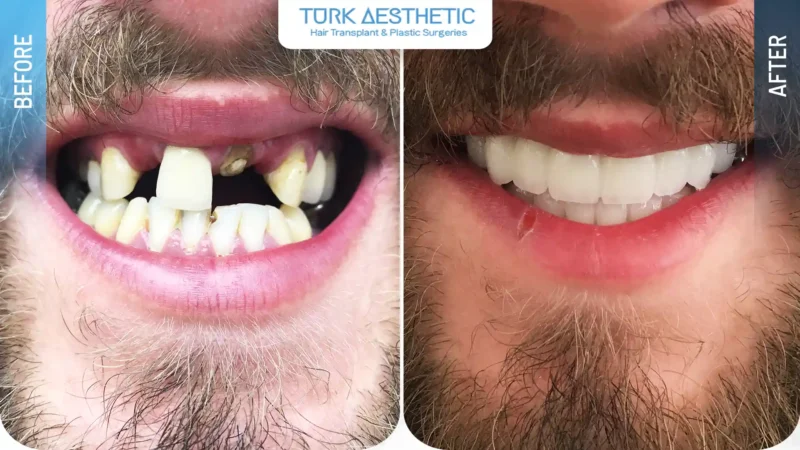
Dental Bridge Before and After
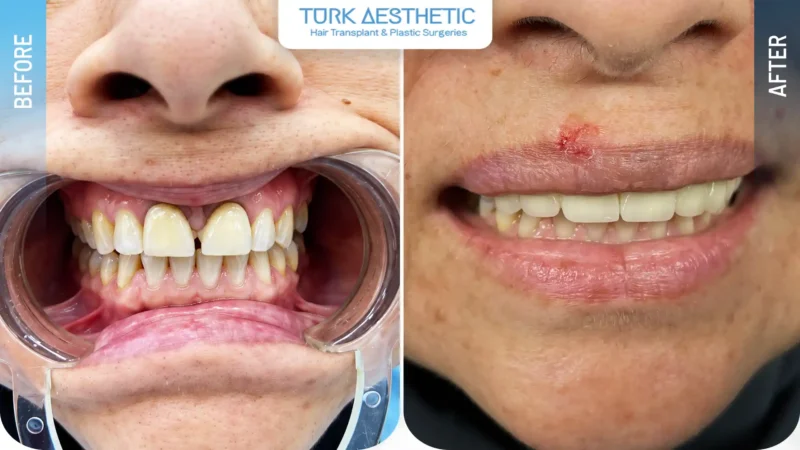
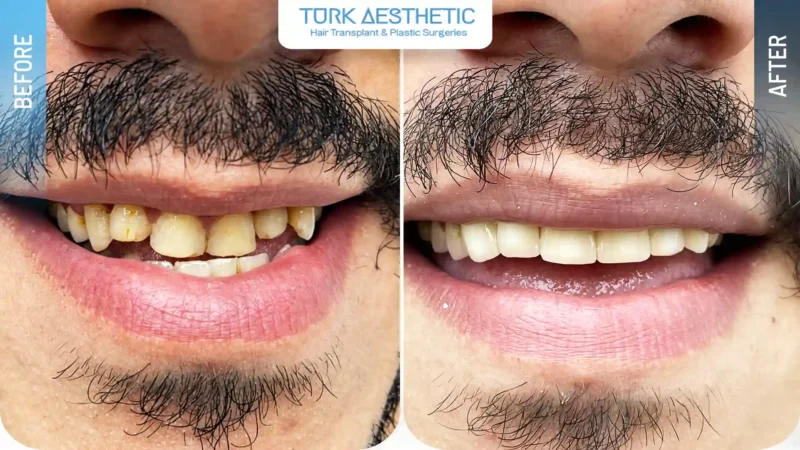
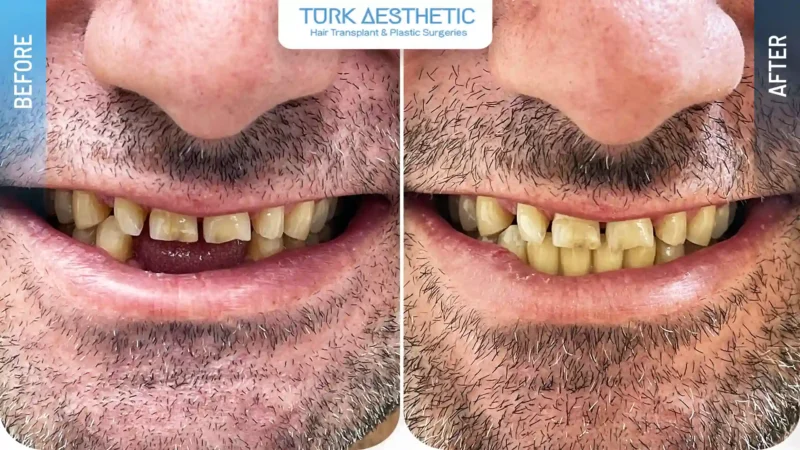
Dental bridge before and after photos can show how replacing missing teeth changes the appearance of a smile. Treatment aims to close gaps between teeth and create a more balanced appearance in terms of tooth shape and color.
Results vary depending on the number of missing teeth, the type of bridge used, and the patient’s existing dental condition. The photos show examples of different treatments and do not guarantee the same outcome for every patient.
Frequently Asked Questions About Dental Bridges
How long does a dental bridge last?
Dental bridges typically last 5–15 years or longer. Their lifespan depends on the health of the supporting teeth, oral hygiene, and chewing habits.
How many days does it take to get a dental bridge?
A traditional dental bridge can usually be completed within 5–7 days over several clinic visits. Treatment may take longer if additional dental procedures are needed.
Is getting a dental bridge painful?
Local anesthesia is used when necessary while preparing the supporting teeth. Mild sensitivity may occur for a few days after the procedure.
Do healthy teeth need to be filed down for a dental bridge?
Traditional dental bridges require some preparation of the neighboring teeth. Maryland bridges and implant-supported bridges involve different preparation methods.
Can a dental bridge fall out?
A dental bridge may become loose over time if the dental cement weakens or problems develop in the supporting teeth. If this happens, you should contact your dentist.
Can tooth decay develop under a dental bridge?
The artificial tooth in a bridge cannot develop decay, but the natural supporting teeth can. Regular cleaning around and beneath the bridge is therefore important.
How do you clean a dental bridge?
Brush your teeth at least twice daily and clean beneath the bridge using special dental floss or suitable interdental cleaning tools. Regular dental check-ups are also important.
Can you eat with a dental bridge?
Yes. You can eat after the permanent bridge has been placed and the anesthesia has worn off. It is advisable to be careful with very hard or sticky foods during the first few days.
Can a dental bridge be replaced later?
Yes. A bridge may need replacement if it becomes worn, damaged, or no longer fits properly. The supporting teeth must be evaluated before a new bridge is made.
Which is better, a dental bridge or an implant?
A dental bridge is generally completed more quickly, but traditional bridges require preparation of neighboring teeth. A dental implant does not rely on adjacent teeth, although it requires surgery and sufficient bone support. The most suitable option depends on the patient’s oral health.