


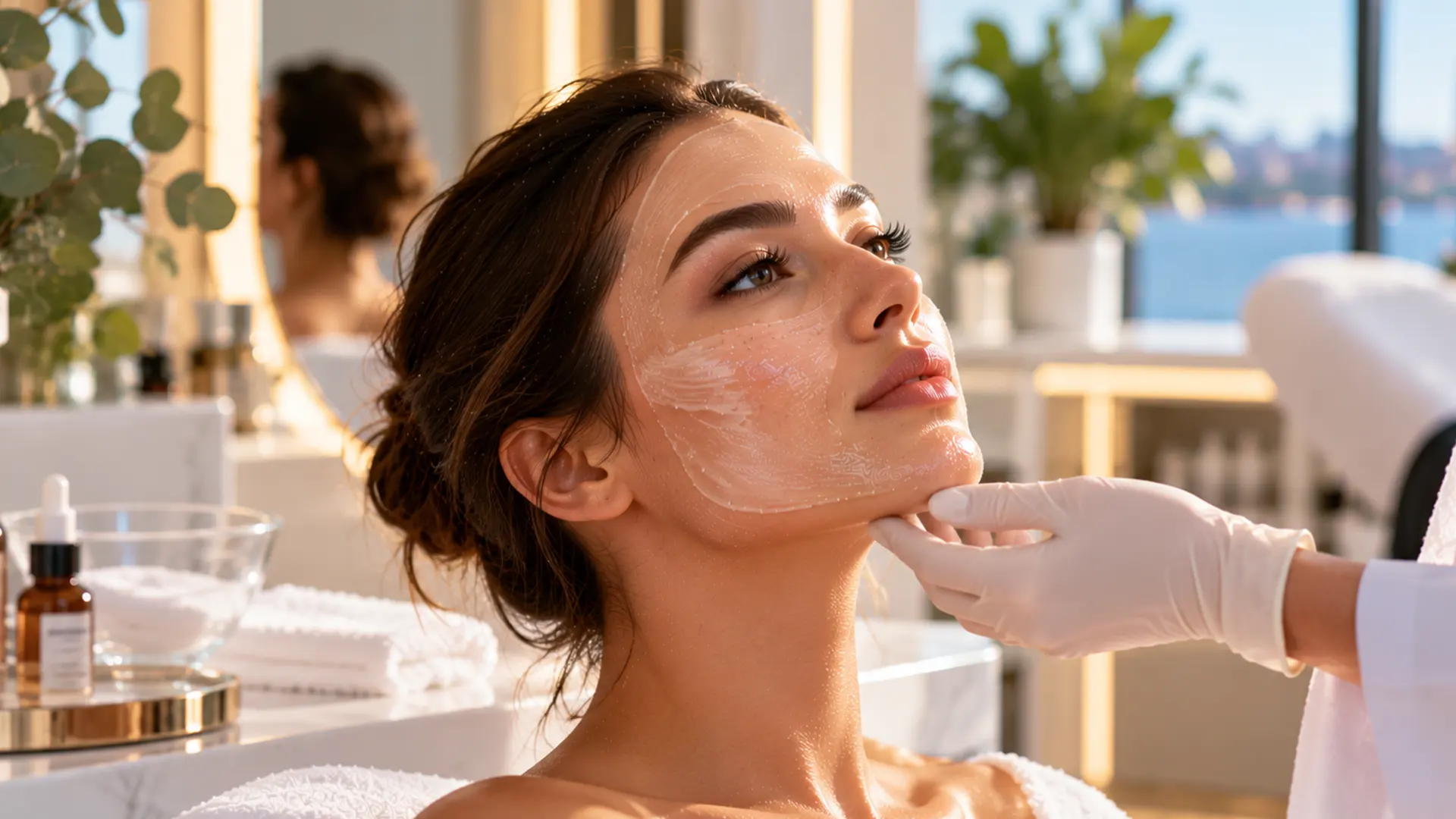
Chemical peeling is a non-surgical medical aesthetic treatment designed to remove dead skin cells and support the skin’s natural renewal process. Different chemical solutions are used to help improve the appearance of skin pigmentation, acne scars, fine lines, and uneven skin texture.
As one of the non-surgical medical aesthetic procedures, chemical peeling involves selecting the type and concentration of acid according to the patient’s skin type and treatment needs. Superficial peels generally require a short recovery period, while deeper treatments may take longer for the skin to heal.
| Purpose | Skin renewal and improvement of skin texture |
| Treatment areas | Face, neck, décolletage, and suitable body areas |
| Procedure duration | Usually 20–45 minutes |
| Anesthesia | Generally not required for superficial peels |
| Number of sessions | Varies depending on skin needs and peel type |
| Recovery | From a few days to several weeks, depending on peel depth |
| Results | Appear gradually depending on the type of treatment |
For more information about chemical peeling prices, the treatment process, and procedure details, read our article on Chemical Peeling in Turkey.
What Is Chemical Peeling?
Chemical peeling is a skin resurfacing treatment that uses specially formulated solutions to create controlled exfoliation. The procedure can help remove damaged cells from the upper layers of the skin and promote a smoother, more even-looking complexion.
Different ingredients may be used in chemical peels, including glycolic acid, salicylic acid, mandelic acid, and trichloroacetic acid (TCA). Each solution has different effects, so the product and treatment depth should be selected according to the skin’s individual needs.
What Are the Benefits of Chemical Peeling?
Chemical peeling is performed to improve the skin’s appearance and reduce the visible effects of certain skin concerns. Depending on the solution used and the depth of treatment, it may be considered for different conditions.
- Skin pigmentation: May help reduce the appearance of sunspots and certain superficial pigmentation irregularities.
- Acne: Certain types of superficial chemical peels may help manage some forms of acne.
- Acne scars: May improve the appearance of superficial acne marks and post-acne discoloration.
- Fine lines: May reduce the appearance of mild signs of skin aging.
- Skin texture: Can help improve the appearance of rough and uneven skin.
- Dull skin: May promote a fresher, brighter complexion by removing dead skin cells.
Chemical peeling alone may not be sufficient for deep acne scars, pronounced wrinkles, or persistent pigmentation problems. In these cases, other treatment options may be considered.
Types of Chemical Peels
Chemical peels are divided into three main categories based on how deeply they affect the skin. The most suitable type is determined by the skin concern being treated and the patient’s skin characteristics.
Superficial Chemical Peel
A superficial chemical peel primarily targets the epidermis, the outermost layer of the skin. It may be used for mild pigmentation, acne, dull skin, and superficial texture irregularities.
This type of peel generally requires a shorter recovery period. However, multiple sessions may be needed to achieve the desired results.
Medium-Depth Chemical Peel
A medium-depth chemical peel can affect the epidermis and extend into the upper portion of the dermis. It may be considered for certain pigmentation concerns, fine wrinkles, and uneven skin texture.
More noticeable redness and peeling may occur compared with superficial treatments. Because recovery takes longer, a detailed assessment is necessary before the procedure.
Deep Chemical Peel
A deep chemical peel affects deeper layers of the skin and requires a comprehensive medical evaluation. It may be used for certain advanced skin concerns but is not suitable for every patient.
Recovery takes longer, and the risk of complications is higher than with superficial peels. Some deep peeling techniques may also require additional medical monitoring.
Which Areas Can Be Treated With Chemical Peeling?
Chemical peeling is most commonly performed on the face. However, other areas may also be considered depending on the skin’s characteristics and the treatment goals.
- Face: Pigmentation, acne, fine lines, and uneven skin texture.
- Neck: Superficial skin renewal in suitable patients.
- Décolletage: Certain superficial skin changes caused by sun exposure.
- Back: Certain acne concerns and post-acne pigmentation.
- Hands: Superficial pigmentation irregularities in suitable cases.
Since skin thickness and healing characteristics vary between different areas of the body, the same chemical peeling protocol should not be used for every treatment area.
How Is Chemical Peeling Performed?
Chemical peeling involves several stages, from the initial skin assessment to post-treatment care. The details of the procedure may vary depending on the chemical solution used.
1. Skin Assessment
First, the patient’s skin type, existing pigmentation, acne condition, and skin sensitivity are evaluated. The most suitable type of chemical peel and treatment plan are then determined.
2. Skin Preparation
The treatment area is thoroughly cleansed. When necessary, special products are used to protect sensitive areas of the skin.
3. Application of the Peeling Solution
The selected chemical solution is carefully applied to the skin under controlled conditions. During the procedure, patients may experience mild burning, stinging, or a sensation of warmth.
4. Completing the Procedure
Depending on the properties of the solution used, the skin may undergo a neutralization or cleansing process. Suitable soothing and protective skincare products are then applied.
5. Post-Treatment Care
Patients receive instructions on sun protection, skin cleansing, and suitable skincare products. A follow-up appointment may be scheduled when necessary.
Who Is a Good Candidate for Chemical Peeling?
Chemical peeling may be considered for different individuals depending on their skin type and treatment goals. However, it is not suitable for every skin concern.
- People with superficial skin pigmentation or dark spots
- Individuals with mild acne or post-acne marks
- People with rough or uneven skin texture
- Individuals who want to reduce the appearance of fine lines
- People looking to improve dull-looking skin
Active skin infections, open wounds, certain dermatological conditions, or a tendency to develop pigmentation after treatment may affect the treatment plan. Current medications and existing health conditions should also be evaluated before the procedure.
Before Chemical Peeling
Before chemical peeling, the current condition of the skin and the skincare products being used should be assessed. Products containing retinoids or acids may affect the treatment plan.
- Inform the specialist about any medications and skincare products you are using.
- Report any recent sunburn or significant sun exposure.
- Active cold sores, skin infections, or irritation should be evaluated before treatment.
- Waxing and other potentially irritating treatments may need to be avoided before the procedure.
- Use recommended skin preparation products only under the guidance of a qualified specialist.
After Chemical Peeling
After chemical peeling, temporary redness, sensitivity, dryness, and flaking may occur. The severity of these effects depends on the depth of the treatment.
- Sun protection: Avoid direct sun exposure and use the recommended sunscreen.
- Moisturizing: Support skin recovery with suitable skincare products recommended by your specialist.
- Avoid picking at peeling skin: Do not pull off flaking skin or remove scabs during the healing process.
- Avoid irritating products: Your specialist should determine when you can resume using retinoids and acid-based skincare products.
- Follow-up: Seek medical advice if you experience severe pain, significant blistering, or unexpected skin changes.
Returning to daily activities is generally quicker after superficial chemical peels. Medium-depth and deep peels may require a longer recovery period.
How Many Chemical Peeling Sessions Are Needed?
The number of sessions depends on the skin concern being treated and the type of chemical peel used. Superficial peels may be performed over several sessions at planned intervals, while medium-depth and deep peels may require a different treatment approach.
The intervals between sessions are determined by how well the skin heals and responds to treatment. More frequent sessions do not necessarily lead to better results.
When Will Chemical Peeling Results Be Visible?
After a superficial chemical peel, improvements in skin appearance may become noticeable within a few days or weeks. Multiple sessions may be needed to achieve more visible results when treating pigmentation, acne marks, or uneven skin texture.
Results from medium-depth and deep chemical peels may take longer to assess. The skin’s initial condition, the solution used, and the healing process all influence the improvements achieved.
Chemical Peeling Side Effects and Risks
Because chemical peeling creates a controlled effect on the skin, certain reactions may occur after treatment. The severity of side effects depends on the depth of the peel and the individual’s skin characteristics.
- Temporary redness and skin sensitivity
- Dryness, tightness, and peeling
- Burning or stinging sensations
- Post-treatment skin darkening or lightening
- Infection or reactivation of cold sores
- Scarring in rare cases
The risk of post-inflammatory hyperpigmentation should be carefully considered, particularly in individuals with darker skin tones. Since medium-depth and deep peels carry a higher risk of complications, appropriate patient selection and medical follow-up are important.
Chemical Peeling vs. Carbon Peeling: What’s the Difference?
Chemical peeling and carbon peeling are two different treatments used to improve skin appearance. Chemical peeling uses acid-based solutions, while carbon peeling combines a carbon-based product applied to the skin with a suitable laser system.
| Feature | Chemical Peeling | Carbon Peeling |
|---|---|---|
| Method | Exfoliation using chemical solutions | Carbon-based product combined with laser treatment |
| Main purpose | Skin renewal and improvement of skin texture | Improvement of superficial skin appearance |
| Treatment depth | Superficial, medium-depth, or deep | Depends on the laser protocol used |
| Visible peeling | May occur depending on the type of peel | Significant peeling is generally not expected |
| Recovery | Varies depending on peel depth | Generally may be shorter |
The most suitable treatment should be determined according to the patient’s skin type, existing concerns, and treatment goals.
Frequently Asked Questions About Chemical Peeling
Does chemical peeling make your skin peel?
Yes, the procedure creates controlled exfoliation. However, visible peeling does not occur after every treatment. The degree of peeling depends on the solution used and the depth of the peel.
Is chemical peeling painful?
Mild burning, stinging, or warmth may be felt during a superficial peel. Discomfort may be more noticeable with medium-depth and deep chemical peels.
Does chemical peeling help with dark spots?
It may help reduce the appearance of certain superficial dark spots. However, the cause of pigmentation and skin type are important. In conditions such as melasma, inappropriate treatment may worsen pigmentation.
Can chemical peeling remove acne scars?
It may improve the appearance of superficial acne marks and post-acne discoloration. However, chemical peeling alone may not be sufficient for deep or pitted acne scars.
How long does it take to recover from chemical peeling?
Recovery after a superficial peel may take only a few days. Medium-depth peels generally require around one to two weeks, while deep peels may involve a longer recovery period.
Are chemical peeling results permanent?
Improvements achieved after treatment may last for some time. However, sun exposure, aging, and new skin concerns can affect the skin’s appearance over time.
Can I wear makeup after chemical peeling?
When you can resume wearing makeup depends on the depth of the peel and how well your skin has healed. Follow your specialist’s advice, especially if redness, sensitivity, or peeling persists.