

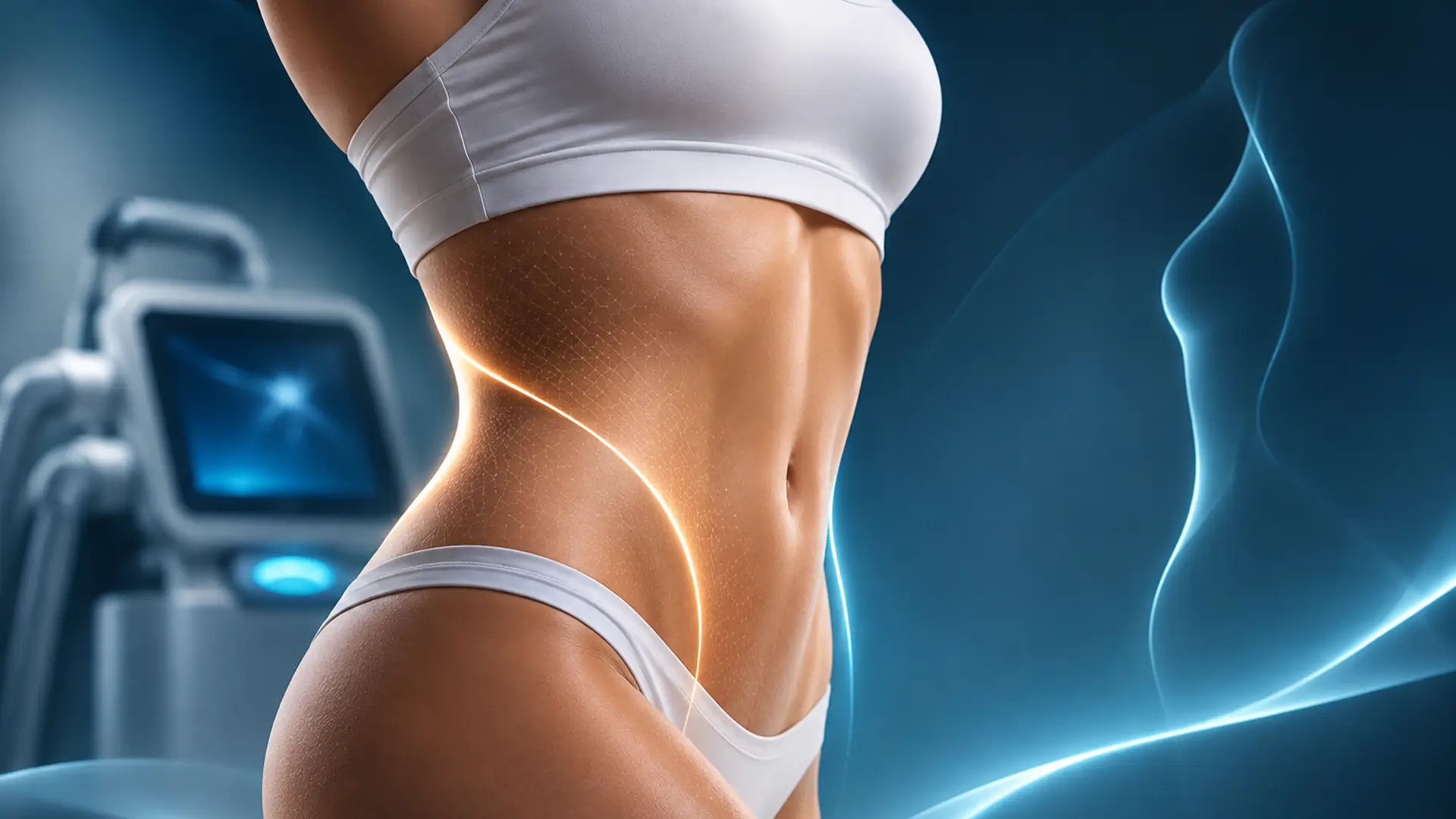
Non-Surgical Body Contouring includes a range of treatments designed to reduce localized fat deposits, improve muscle definition, and create more balanced body contours. Techniques such as CoolSculpting, HIFU, Endolift, and M-Slim can be considered for different goals depending on individual needs.
These techniques do not all work in the same way. Some target fat tissue, while others focus on muscle stimulation or skin firmness. Endolift is a minimally invasive procedure rather than a completely non-invasive treatment because it involves inserting a thin laser fiber beneath the skin.
| Treatment Goals | Localized fat reduction, muscle definition, and skin tightening |
|---|---|
| Techniques | CoolSculpting, HIFU, Endolift, and M-Slim |
| Anesthesia | Varies by technique; not required for some treatments |
| Number of Sessions | Depends on the treatment and individual needs |
| Recovery Time | Varies according to the technique |
| When Results Appear | Results may develop over several weeks or months |
| How Long Results Last | Depends on the technique, lifestyle, and individual factors |
For more information about available treatment options and pricing, read our article on Non-Surgical Body Contouring in Turkey.
What Is Non-Surgical Body Contouring?
Non-surgical body contouring refers to a group of treatments designed to improve the appearance of specific body areas without undergoing surgical procedures such as liposuction. The goal may be to reduce localized fat, improve muscle definition, or tighten the skin.
These treatments are not intended to treat obesity or achieve overall weight loss. They are generally considered for individuals who want to improve the appearance of particular areas, are medically suitable, and have realistic expectations about the results.
Non-Surgical Body Contouring Methods
Body contouring techniques can generally be divided into two main groups. The most suitable approach depends on a person’s fat distribution, muscle structure, and skin characteristics.
1. Localized Fat Reduction
These treatments aim to improve body contours by targeting fat tissue in specific areas. Some technologies may also help improve skin firmness.
CoolSculpting (Cryolipolysis)
CoolSculpting is a non-invasive treatment that targets fat cells using controlled cooling technology. Also known as cryolipolysis, this technique aims to gradually reduce fat tissue in suitable treatment areas.
It may be used on the abdomen, waist, thighs, and other areas suitable for the device. Results generally begin to develop within several weeks.
Body Contouring with HIFU
HIFU uses focused ultrasound energy. Devices specifically designed for body treatments may help target fat tissue in selected areas while supporting tissue firmness.
Not all HIFU devices are designed for body contouring, so the device’s intended applications and treatment goals must be considered.
Endolift for Fat Reduction and Skin Tightening
Endolift is a minimally invasive technique performed using a thin laser fiber inserted beneath the skin. It may be considered for reducing small fat deposits and improving skin firmness in suitable patients.
Because the procedure involves accessing the tissue beneath the skin, its pre-treatment assessment and aftercare requirements may differ from those of non-invasive techniques.
2. Muscle Definition
Muscle definition treatments focus on stimulating muscles rather than directly targeting fat tissue. They may be used to improve muscle appearance, particularly in the abdomen and buttocks.
Muscle Definition with M-Slim
M-Slim is a device-based treatment that uses electromagnetic muscle stimulation to produce intense muscle contractions. It may help improve the appearance and definition of muscles.
Treatment duration and the number of sessions depend on the device’s specifications and individual needs. M-Slim does not replace regular physical activity.
Differences Between Body Contouring Methods
| Method | Technology | Primary Goal |
|---|---|---|
| CoolSculpting | Controlled cooling | Localized fat reduction |
| HIFU | Focused ultrasound | Fat reduction and tissue tightening |
| Endolift | Subcutaneous laser fiber | Fat reduction and skin tightening |
| M-Slim | Electromagnetic muscle stimulation | Muscle definition |
Which Body Areas Can Be Treated?
Treatment areas vary depending on the selected technology. The most commonly considered areas include:
- Abdomen: Localized fat reduction or improvement in muscle appearance.
- Waist and flanks: Targeting localized fat deposits.
- Buttocks: Improving muscle definition through stimulation.
- Thighs: Localized fat reduction using suitable devices.
- Upper arms: Treatments targeting fat tissue or skin firmness.
Who Is a Suitable Candidate?
Body contouring treatments may be considered for medically suitable adults who want to improve the appearance of specific body areas.
- People with localized fat deposits in certain areas.
- Individuals who want to improve muscle definition.
- Those exploring alternatives to surgical procedures.
- People with realistic expectations about the possibilities and limitations of treatment.
Pregnancy, certain heart conditions, electronic implants, disorders associated with cold sensitivity, or active infections in the treatment area may affect suitability for particular techniques.
Preparation Before Treatment
- Inform the practitioner about existing medical conditions and regularly used medications.
- Disclose any pacemakers, electronic implants, or metal implants.
- Report cold sensitivity or any previous unusual reactions.
- Have any skin problems in the treatment area evaluated.
- Discuss expected results and potential treatment limitations.
How Is Non-Surgical Body Contouring Performed?
The treatment process varies according to the technique used but generally includes the following steps:
- Assessment: Fat distribution, muscle structure, skin characteristics, and general health are evaluated.
- Method Selection: The technology most appropriate for the desired outcome is selected.
- Treatment: The selected device or technique is applied to the target area.
- Follow-Up: Results are evaluated, and additional sessions may be planned if necessary.
Aftercare Instructions
Aftercare recommendations may differ depending on the type of treatment.
- Monitor temporary tenderness and swelling in the treated area.
- Follow the recommendations regarding when to resume intense exercise.
- Follow wound care and medical review instructions after Endolift.
- Seek medical evaluation if unexpected pain, significant skin discoloration, or signs of infection occur.
- Maintain a balanced diet and regular physical activity to help preserve the results.
Possible Side Effects and Risks
Each technique has its own potential risks. The frequency and severity of side effects depend on the technology used, the treatment area, and individual characteristics.
- CoolSculpting: Temporary numbness, redness, swelling, and, rarely, paradoxical adipose hyperplasia.
- HIFU: Tenderness, redness, and possible burns or tissue damage if performed incorrectly.
- Endolift: Swelling, bruising, infection, burns, or nerve injury.
- M-Slim: Temporary muscle soreness and fatigue.
Results and How Long They Last
Results from body contouring treatments develop at different times depending on the technique used. With localized fat reduction methods, changes generally become noticeable over several weeks or months, while muscle stimulation treatments may require completion of the recommended session plan.
How long results last can be influenced by weight changes, physical activity, diet, and individual factors. Some people may require additional sessions or a different treatment approach.
Frequently Asked Questions
What is non-surgical body contouring?
It refers to treatments used to reduce localized fat, improve muscle definition, or tighten the skin without traditional surgery.
Does body contouring help with weight loss?
These treatments are not intended for overall weight loss. They aim to improve the appearance of specific body areas.
What is the difference between M-Slim and CoolSculpting?
M-Slim focuses on muscle stimulation, while CoolSculpting targets localized fat reduction.
Is Endolift completely non-invasive?
No. Endolift is a minimally invasive procedure that involves inserting a thin laser fiber beneath the skin.
When will the results become visible?
The timing depends on the technique. Some changes may develop within weeks, while others take several months.
How many sessions are needed?
The number of sessions depends on the device, treatment area, and individual goals.
Are the results permanent?
How long results last depends on the technique and lifestyle. Weight changes and aging may affect the outcome.