


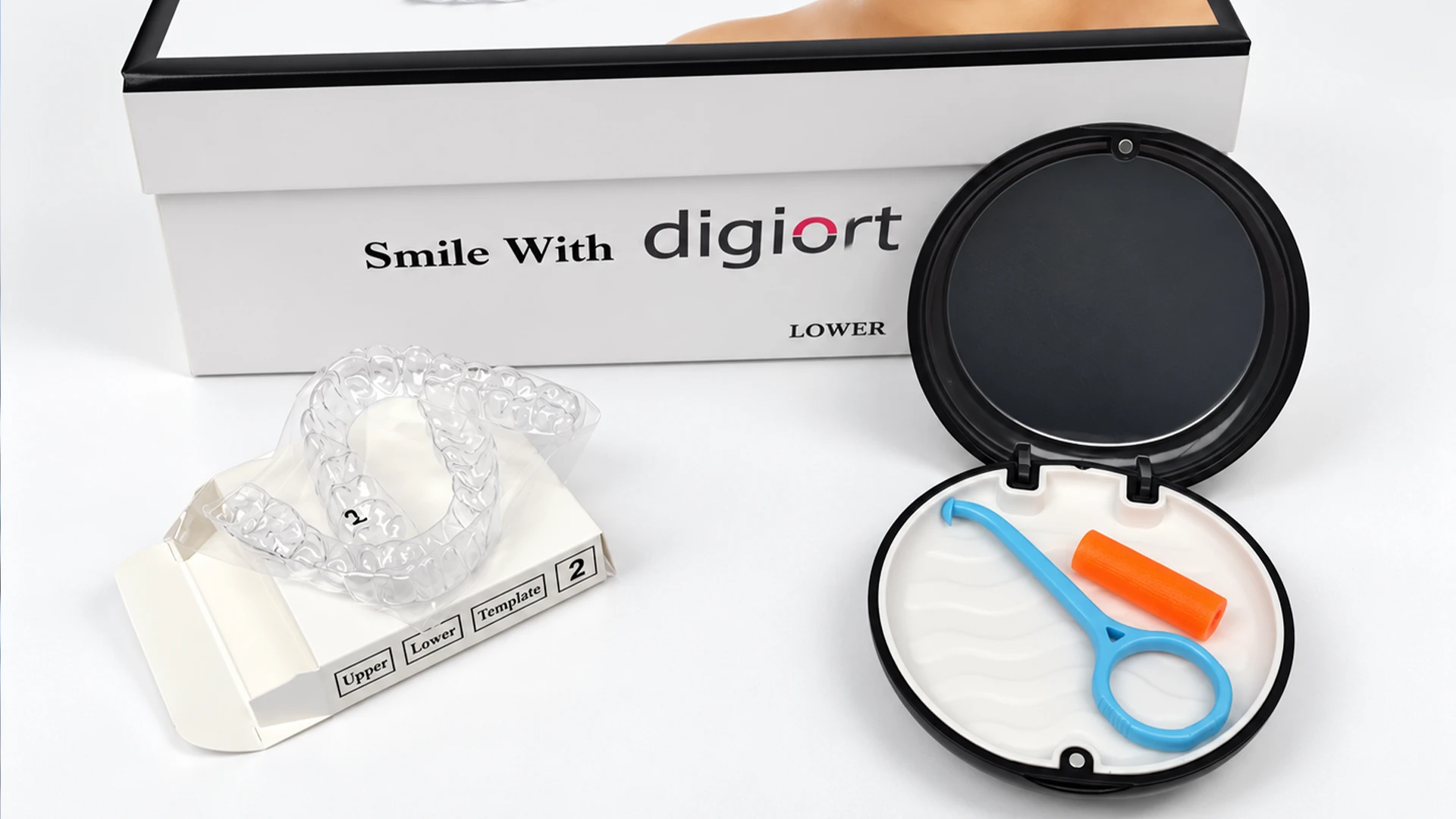
Invisalign (clear aligner treatment) is a modern orthodontic method used to correct crowded teeth, gaps between teeth, and certain bite problems. It uses custom-made, nearly invisible, removable aligners designed to move the teeth gradually and in a controlled manner toward their planned positions.
As an alternative to traditional metal braces, this treatment begins with an assessment of the teeth and digital treatment planning. The aligners are changed in a planned sequence while tooth movement is monitored. Treatment duration and results vary depending on the severity of misalignment, dental structure, and how consistently the aligners are worn.
| Anesthesia | Usually not required |
| Treatment Duration | Usually 6–18 months (varies by patient) |
| Daily Wear Time | 20–22 hours |
| Aligner Changes | Usually every 2 weeks |
| Return to Daily Activities | Same day |
If you are considering Invisalign treatment in Turkey, explore our guide to Invisalign in Turkey for more information about the treatment process in Istanbul, appointment planning, and current prices.
Who Is Suitable for Invisalign Treatment?
Invisalign treatment may be suitable for children, teenagers, and adults with crowded teeth, gaps, or certain bite problems. Suitability depends on the condition of the teeth and the complexity of the orthodontic problem.
Clear aligners may be considered in the following situations:
- Crowded teeth: When teeth are unevenly positioned or overlap.
- Gaps between teeth: When noticeable spaces exist between the teeth.
- Bite problems: In suitable cases involving open bites, deep bites, or crossbites.
- Teeth shifting after orthodontic treatment: When previously straightened teeth begin moving out of position again.
- Patients who prefer an alternative to metal braces: Those looking for a less noticeable, removable orthodontic option.
For treatment to be effective, aligners generally need to be worn for 20–22 hours per day. Clear aligners alone may not be sufficient for severe jaw discrepancies. Final suitability is determined after an orthodontic examination.
How Does Invisalign Treatment Work?
Invisalign treatment involves assessing the current position of the teeth, preparing custom-made clear aligners, and monitoring tooth movement throughout the process. Treatment generally consists of three main stages.
1. Examination and Digital Planning
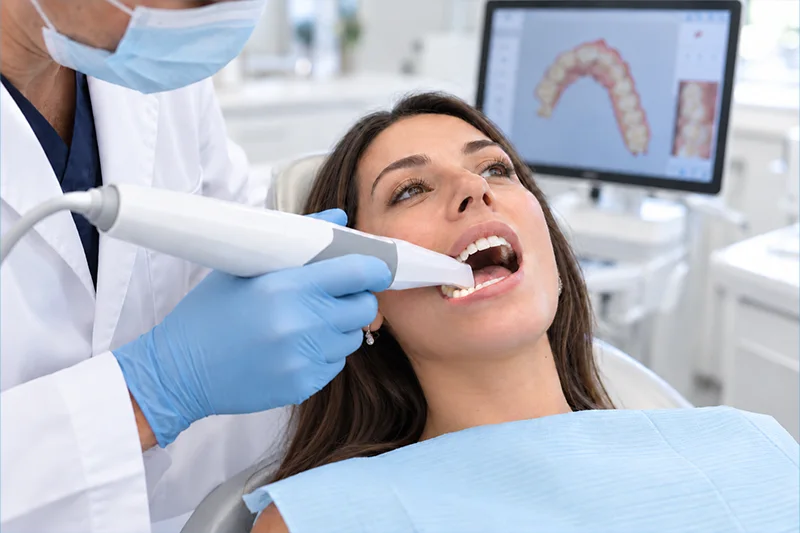
During the orthodontic examination, the dentist evaluates tooth alignment and the bite. Digital dental scans, photographs, and any necessary X-rays are used to plan how the teeth should move during treatment.
2. Preparation of Clear Aligners
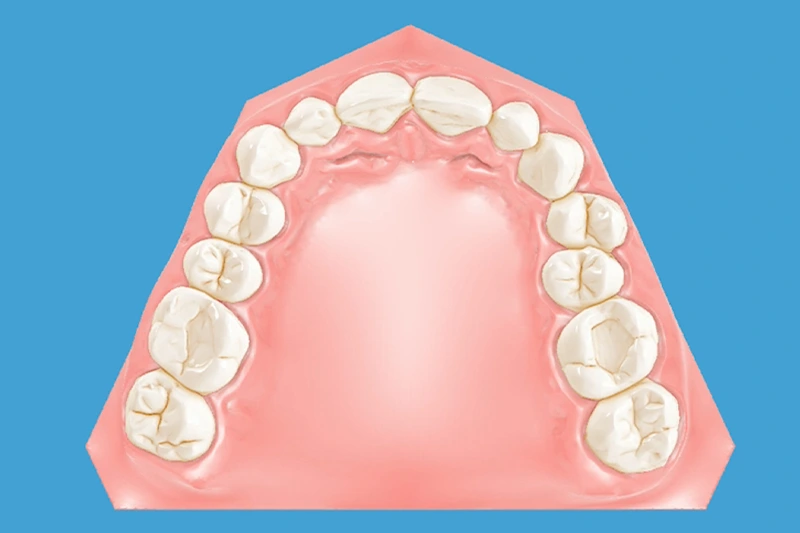
Custom clear aligners are prepared according to the digital treatment plan. The aligners are fitted, and the patient receives instructions on wearing, removing, and cleaning them. Small attachments may be placed on certain teeth when needed to help guide tooth movement.
3. Wearing the Aligners and Follow-Up Appointments
Aligners are generally worn for 20–22 hours per day and replaced at intervals recommended by the orthodontist. Tooth movement is assessed during regular follow-up appointments. Once treatment is completed, a retainer may be used to help maintain the new position of the teeth.
How Long Does Invisalign Treatment Take?
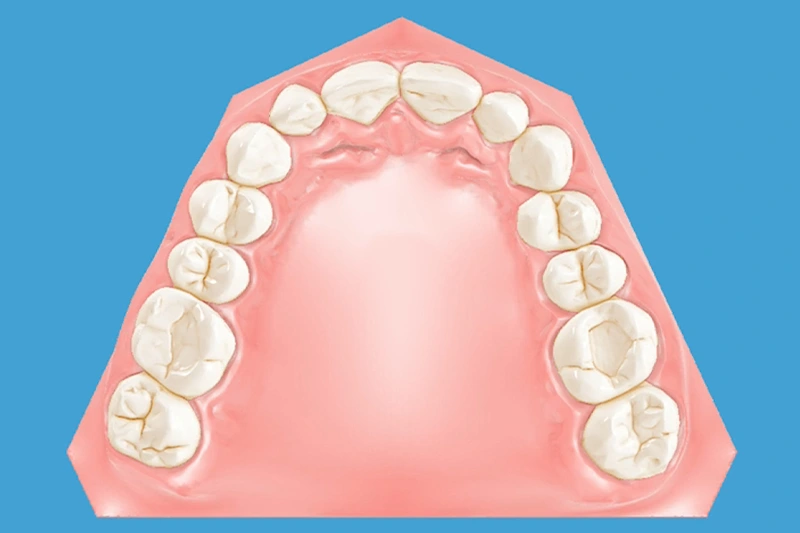
Invisalign treatment usually takes 6–18 months. However, mild cases of tooth misalignment may be completed in less time, while more complex orthodontic problems may require a longer treatment period.
The main factors affecting treatment duration include:
- Condition of the teeth: The severity of crowding and bite problems.
- Aligner wear: Following the recommended daily wear time of 20–22 hours.
- Tooth movement: How the teeth respond to the planned movements.
- Additional adjustments: Whether extra aligners are needed during treatment.
The estimated treatment duration can be determined after an orthodontic examination and digital planning. Wearing the aligners consistently and attending scheduled appointments are important throughout treatment.
Before Invisalign Treatment
Before starting Invisalign treatment, the overall health of the teeth and gums is assessed. An orthodontic examination helps evaluate the current position of the teeth and develop a personalized treatment plan.
Important steps before treatment include:
- Completing the necessary oral examination, digital scans, and X-rays.
- Treating any existing tooth decay or gum problems.
- Completing necessary dental care, such as professional teeth cleaning.
- Understanding the treatment duration, aligner instructions, and follow-up schedule.
Consistent aligner wear is an essential part of treatment. Therefore, the patient’s ability to follow the recommended daily wear time of 20–22 hours should be considered before starting.
After Starting Invisalign Treatment
After starting Invisalign treatment, wearing the aligners consistently and maintaining good oral hygiene are important for keeping tooth movement on track. Mild pressure or sensitivity may occur during the first few days, but this usually decreases within a short time.
Important instructions during treatment include:
- Wear the aligners for 20–22 hours per day.
- Remove the aligners when eating or drinking anything other than water.
- Clean your teeth after each meal before putting the aligners back in.
- Clean the aligners regularly and avoid exposing them to hot water.
- Follow the recommended aligner change schedule and attend regular check-ups.
Retention After Treatment (Retainers)
Once Invisalign treatment is completed, a retention phase helps maintain the teeth in their new positions. Two different methods may be used:
- Clear removable retainer: A transparent, removable appliance designed to maintain the new position of the teeth. Regular wear may be recommended during the first six months, followed by nighttime use if advised by the orthodontist.
- Fixed retainer (bonded metal wire): A thin metal wire attached to the back surfaces of the teeth. It cannot be removed by the patient and may remain in place for an extended period.
The orthodontist determines the most suitable retention method and how long it should be used. In some cases, both methods may be recommended together.
Advantages of Invisalign Treatment
Invisalign treatment offers several advantages over traditional braces, particularly in terms of appearance and everyday convenience. It may be preferred by patients who want a less noticeable orthodontic treatment option.
- Discreet appearance: Clear aligners are less noticeable when worn.
- Removable design: They can be removed when eating and cleaning the teeth.
- Easier oral hygiene: Brushing and flossing are more convenient without fixed brackets and wires.
- Comfort: Without metal brackets or wires, clear aligners may cause less irritation inside the mouth.
- Digital planning: The intended tooth movements can be planned digitally before treatment begins.
- Everyday convenience: Clear aligners are less noticeable during conversations, work, and social activities.
To benefit from these advantages, aligners must be worn consistently for the recommended number of hours. Treatment suitability and results may vary from person to person.
Disadvantages and Risks of Invisalign Treatment
Although Invisalign treatment offers several advantages, it may not be suitable for every patient. Treatment success depends on consistent aligner wear and the nature of the orthodontic problem.
Possible disadvantages and risks include:
- Patient compliance: Not wearing the aligners for enough hours each day may extend treatment duration.
- Temporary sensitivity: Mild pressure or discomfort may occur when switching to a new set of aligners.
- Speech changes: Pronunciation of certain sounds may be temporarily affected during the first few days.
- Oral hygiene: Inadequate cleaning may increase the risk of tooth decay and gum problems.
- Treatment limitations: Some complex orthodontic problems may require additional procedures or alternative treatment methods.
- Lost or damaged aligners: Losing or damaging aligners may disrupt the treatment schedule.
Many of these risks can be reduced through proper aligner use and regular orthodontic check-ups. If unexpected pain, gum problems, or poor aligner fit occurs during treatment, patients should consult their orthodontist.
Invisalign vs. Metal Braces: What Are the Differences?
Invisalign and metal braces are two orthodontic treatment options used to correct crowded teeth and bite problems. Both methods have advantages, and the most suitable option depends on the condition of the teeth and the patient’s individual needs.
| Feature | Invisalign (Clear Aligners) | Metal Braces |
|---|---|---|
| Appearance | Nearly invisible | Metal brackets are visible |
| Removability | Removable | Fixed |
| Eating | Removed during meals | Certain foods should be avoided |
| Oral Hygiene | Easier brushing and flossing | Extra care is needed around brackets |
| Comfort | Generally causes less irritation | Brackets and wires may cause irritation |
| Daily Use | Must be worn for 20–22 hours per day | Remain attached to the teeth |
| Suitability | Suitable for many orthodontic problems | May offer advantages in complex cases |
Invisalign offers advantages in terms of appearance and removability, while metal braces may be more suitable for certain complex tooth movements. The best option is determined after an orthodontic examination.
Frequently Asked Questions
What is Invisalign treatment?
Invisalign is an orthodontic treatment that uses custom-made, removable clear aligners to correct crowded teeth, gaps, and certain bite problems.
Do clear aligners hurt?
Mild pressure or sensitivity may occur when switching to new aligners. This usually decreases within a few days.
How many hours a day should I wear my aligners?
Clear aligners should generally be worn for 20–22 hours per day. They can be removed for eating and oral hygiene.
Can I eat while wearing clear aligners?
No. Aligners should be removed before meals and put back in after cleaning your teeth.
Should I remove my aligners when drinking tea or coffee?
Yes. Aligners should be removed when drinking anything other than water. Hot drinks may distort their shape, while colored beverages can cause staining.
Does Invisalign affect speech?
Some people may notice slight changes in pronunciation during the first few days. Most patients adapt to the aligners within a short time.
Is Invisalign suitable for all ages?
Clear aligner treatment may be suitable for children, teenagers, and adults. Suitability depends on dental development and the orthodontic examination.
Which is better, Invisalign or braces?
Both methods can be effective. Invisalign offers a discreet appearance and removable design, while traditional braces may be more suitable for certain complex cases.
How often do I need to change my aligners?
Aligners are generally changed every 1–2 weeks. The exact schedule depends on the treatment plan prepared by the orthodontist.
Can teeth shift back after Invisalign treatment?
Yes, teeth may gradually move after treatment. To help prevent this, a removable clear retainer or a fixed metal retainer bonded behind the teeth may be used. In some cases, both methods are recommended.
How should I clean my clear aligners?
Aligners should be cleaned regularly using a suitable cleaning product and lukewarm or cool water. Avoid hot water and maintain good oral hygiene.