

A fall, traffic accident, sports injury, or a strong impact to the nose can cause lasting changes to the nasal bones, cartilage, and septum. In some people, trauma affects only the appearance of the nose, while in others it may also lead to nasal obstruction and breathing difficulties.
Rhinoplasty after an accident is performed to correct structural problems caused by trauma and, when necessary, restore nasal function. The surgical approach is planned individually according to the type and extent of damage caused by the injury.
What Problems Can Occur After Nasal Trauma?
An impact to the nose can affect different parts of its structure. In particular, a fracture or displacement of the nasal bones may result in a visible deviation after healing.
Common problems following nasal trauma may include:
- Crooked or deviated nasal bones
- A nose that shifts to one side
- Collapse or irregularities along the nasal bridge
- Nasal tip asymmetry
- Deformity caused by an old nasal fracture
- Deviated septum
- Nasal obstruction and difficulty breathing
Since every injury affects the nose differently, treatment is planned according to the existing structural and functional problems.
When Is Rhinoplasty Performed After an Accident?
A recent nasal injury and a fracture that occurred several years ago require different approaches.
In recent fractures, the severity of the injury is first assessed and appropriate early treatment is determined. However, if the bones and cartilage have healed in an incorrect position, more extensive surgical correction may be necessary.
In some cases, swelling can make it difficult to accurately assess the nasal structure. For this reason, it may be necessary to allow the tissues to heal before planning surgery. The appropriate timing is determined after a medical examination.
Can an Old Nasal Fracture Be Corrected?
A nasal fracture that occurred years ago may cause the bones to heal in a crooked or irregular position. Over time, a person may experience breathing difficulties in addition to visible changes in the shape of the nose.
In old fractures, the nasal bones and cartilage are evaluated and a surgical plan is prepared according to the existing deformity. When necessary, the bones can be reshaped and internal nasal deviations can be corrected.
Breathing Problems After Nasal Trauma
Even when the nose appears normal externally, the septum inside the nose may have been damaged by the accident. A deviated septum can narrow the airway and make breathing difficult, particularly through one nostril.
For this reason, the evaluation is not limited to the appearance of the nose. The nasal airway is also examined, and functional corrections may be included in the surgical plan when necessary.
How Is the Surgery Planned?
The first step is to evaluate the nasal bones, cartilage, septum, and airway. The procedures required vary from person to person depending on the damage caused by the trauma.
The nasal bones may need to be reshaped, the septum corrected, or damaged cartilage structures supported. In some cases where additional structural support is required, the patient’s own cartilage may be used.
One of the important differences between post-traumatic rhinoplasty in Turkey and conventional rhinoplasty is that the nasal anatomy may already have been altered by the previous injury. Therefore, the surgical plan is tailored to the existing damage.
Recovery Process
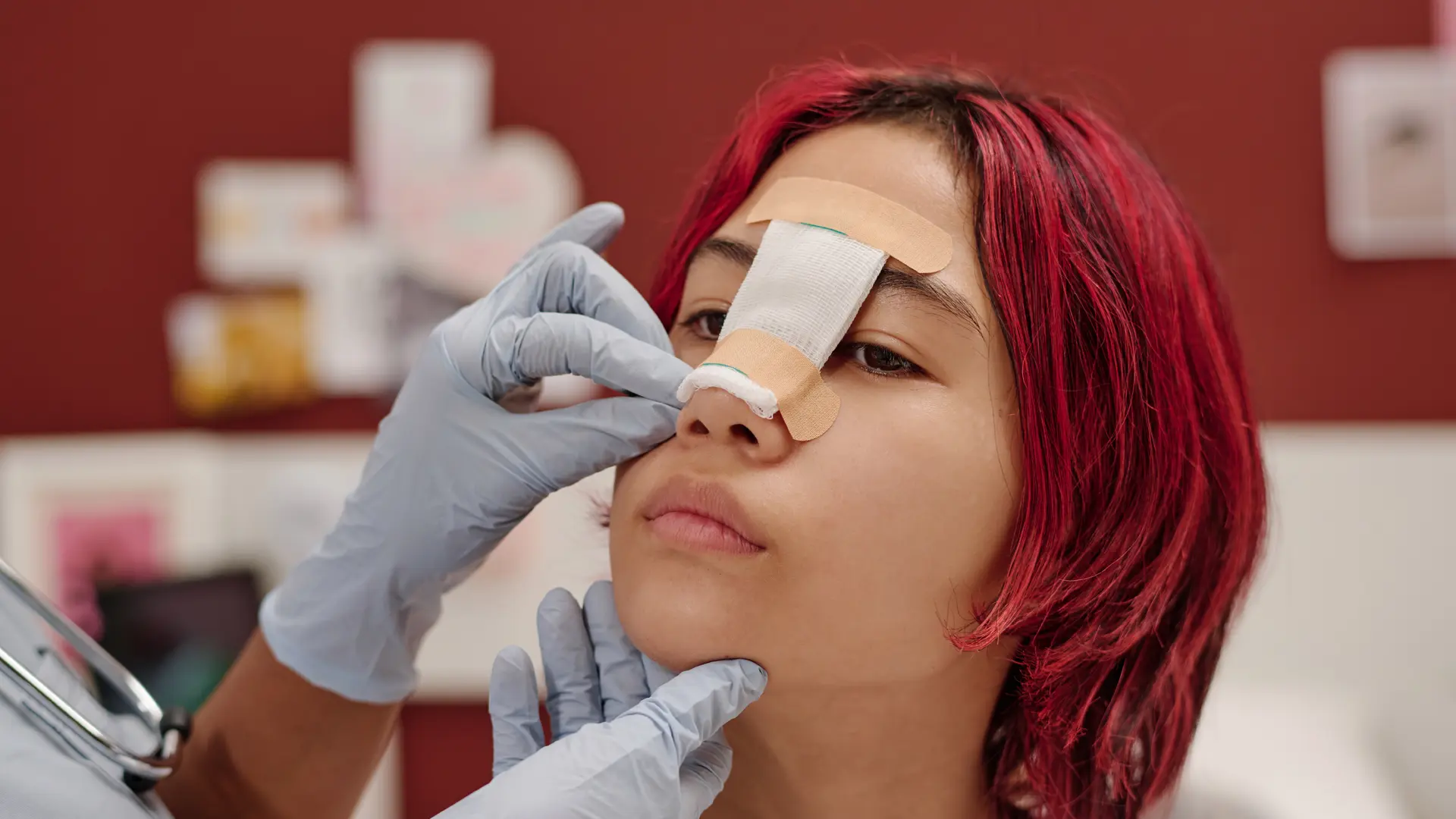
Swelling, bruising, and temporary nasal congestion may occur during the first days after surgery. A nasal splint may also be required for a certain period.
Swelling gradually decreases over time, although it may take longer for the nose to fully settle into its final shape. Recovery varies depending on the severity of the previous trauma and the extent of the surgical procedures performed.
Protecting the nose from further impact is particularly important during this period. Strenuous physical activity and contact sports should only be resumed when recommended by the surgeon.
What Is the Aim of Rhinoplasty After an Accident?
The goal of surgery is not always to reproduce the exact appearance of the nose before the accident. The priority is to assess and correct the bone and cartilage structures affected by the trauma.
The aim is to improve noticeable deviation or deformity, achieve a more balanced appearance in relation to the face, and address breathing problems when present.
Frequently Asked Questions
Can a broken nose be operated on years later?
Yes. If an old nasal fracture has resulted in persistent deviation, deformity, or functional problems, surgical correction can still be considered years after the original injury.
Does every nasal fracture require surgery?
No. Treatment depends on the type of fracture, the position of the nasal bones, breathing function, and the extent of damage caused by the trauma.
Can a crooked nose caused by an accident be corrected?
In suitable cases, bones and cartilage that have healed in an abnormal position following trauma can be surgically reshaped.
Can breathing problems be corrected during the same surgery?
If the septum or other internal nasal structures have been affected by trauma, functional problems may be addressed during the same surgical procedure.
Can the nose break again after rhinoplasty?
Yes. Even a fully healed nose can be injured again following significant trauma. Protecting the nose from impact is particularly important during the postoperative recovery period.