


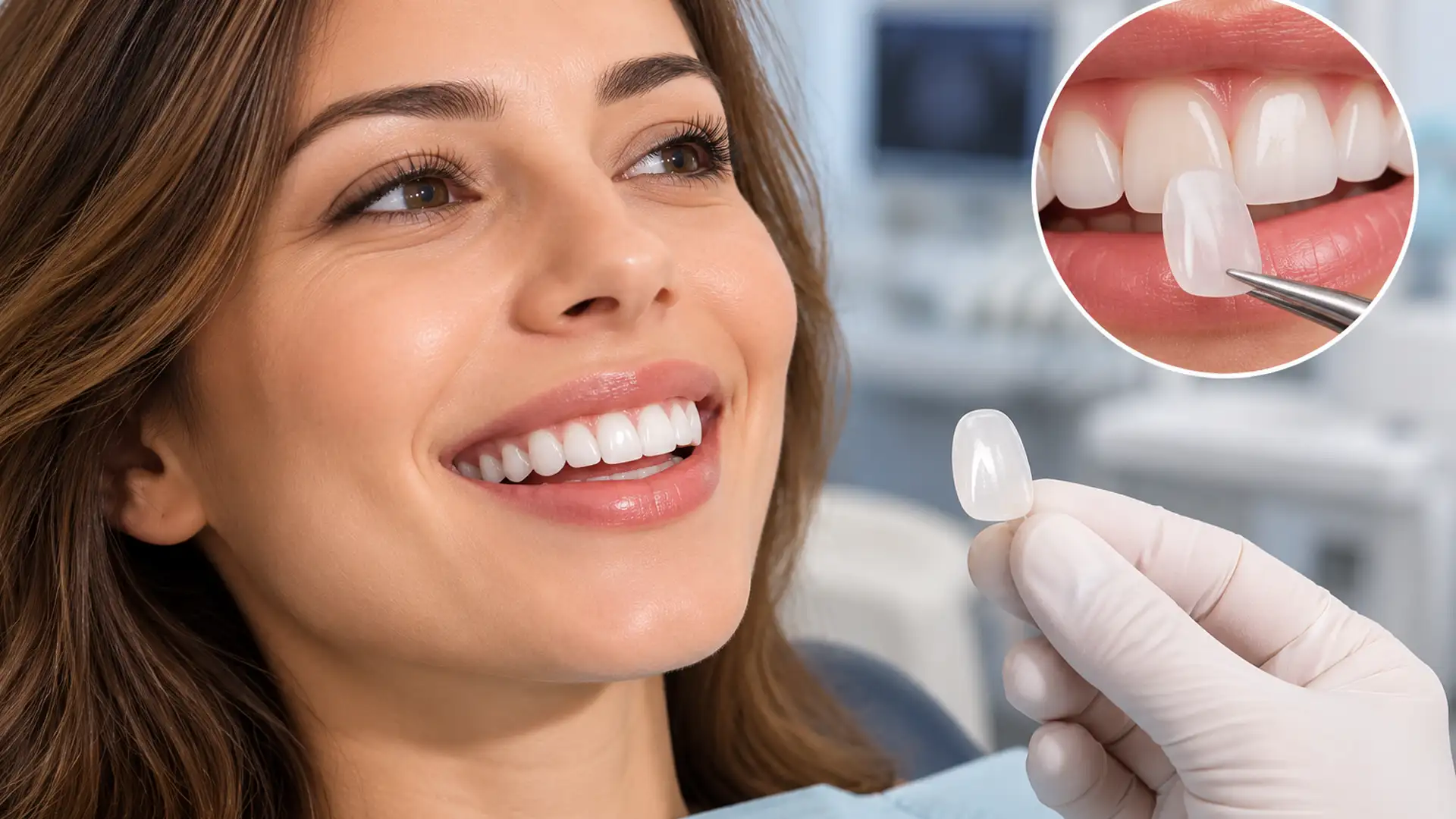
Lumineers are ultra-thin porcelain shells applied to the front surfaces of teeth to improve their color, shape, and overall appearance. Unlike traditional cosmetic coverings, they can sometimes be placed with minimal or no enamel removal, depending on the patient’s dental condition.
This treatment may be suitable for people who want to improve tooth discoloration, close small gaps, or correct minor irregularities in tooth shape. However, not every patient is a suitable candidate. Tooth alignment, bite, and overall oral health must be assessed to determine the most appropriate cosmetic dental solution.
| Procedure | Lumineers (ultra-thin porcelain shells) |
| Anesthesia | Usually not required |
| Procedure Duration | Varies depending on the number of teeth |
| Number of Visits | Usually 2–3 appointments |
| Return to Daily Activities | Usually the same day |
| Longevity | Depends on oral hygiene and daily habits |
Patients considering Lumineers in Turkey can explore our detailed guide covering the treatment process, available options in Istanbul, and current prices.
Who Is a Good Candidate for Lumineers?
This cosmetic treatment may be considered for people who want to improve the appearance of their teeth and whose dental condition allows for the procedure. It is particularly suitable for making minor adjustments to tooth color, shape, or size.
The treatment may help address the following concerns:
- Tooth discoloration: Concealing color differences that cannot be adequately corrected through teeth whitening.
- Gaps between teeth: Improving the appearance of small spaces between the front teeth.
- Irregular tooth shape: Creating a more balanced appearance for small, short, or slightly uneven teeth.
- Minor tooth wear: Improving limited wear and small cosmetic imperfections on the front surfaces of teeth.
- Smile aesthetics: Creating better harmony among the front teeth in terms of color, size, and shape.
However, the procedure may not be appropriate for patients with severe crowding, significant bite problems, active gum disease, or pronounced teeth grinding. In such cases, existing dental problems may need to be treated first, or alternative cosmetic dentistry options may be considered.
How Are Lumineers Applied?
The procedure begins with a dental examination and a personalized treatment plan. It generally involves three main stages.
1. Dental Examination and Smile Planning
The dentist first evaluates the condition of the teeth, gum health, and bite alignment. Based on the patient’s aesthetic expectations, the teeth to be treated are selected, and the necessary impressions or digital scans are taken. In suitable cases, enamel removal may not be necessary.
2. Preparation of Lumineers
Using the impressions or digital scans, custom-made porcelain shells are prepared to match the desired tooth color, shape, and size. The goal is to achieve a natural-looking result that blends with the surrounding teeth.
3. Try-In and Bonding
The prepared restorations are checked for color, shape, fit, and bite alignment. After any necessary adjustments, they are bonded to the tooth surfaces using specialized dental adhesives, followed by final checks.
The overall treatment duration may vary depending on the number of teeth being treated and the individual treatment plan.
Lumineers vs. Traditional Dental Veneers
Lumineers and dental veneers are cosmetic treatments designed to improve the appearance of the front teeth. Both can enhance tooth color, shape, and overall smile aesthetics. However, they differ in material properties, thickness, and the amount of tooth preparation required.
| Feature | Lumineers | Traditional Dental Veneers |
|---|---|---|
| Material | A specialized ultra-thin porcelain system. | Can be made from different ceramic materials. |
| Thickness | Generally very thin. | Varies depending on the material and treatment plan. |
| Tooth Preparation | May not be necessary in suitable cases. | May require limited enamel removal. |
| Color Correction | May be suitable for mild to moderate discoloration. | Different opacity options may help conceal more noticeable discoloration. |
| Aesthetic Appearance | Aims to achieve a natural-looking result. | Aims to achieve a natural-looking result. |
| Suitability | Depends on tooth position and existing dental structure. | May offer more options for a wider range of cosmetic concerns. |
Lumineers may be considered in suitable cases where preserving as much natural tooth structure as possible is a priority. However, their ultra-thin design may not always provide enough coverage to conceal very dark teeth or correct significant irregularities in tooth shape.
The most appropriate option depends on tooth color, alignment, bite, and the patient’s aesthetic expectations. A dental examination is therefore necessary before choosing between Lumineers and traditional porcelain restorations.
Before Lumineers Treatment
Before Lumineers treatment, the dentist evaluates both the appearance of the teeth and overall oral health. Healthy teeth and gums, along with proper bite alignment, are important for maintaining the restorations over time.
The main factors assessed before treatment include:
- Tooth and gum health: Tooth decay, gum inflammation, or other oral health problems may need to be treated before the procedure.
- Tooth alignment: Crowding, gaps between teeth, and bite alignment are evaluated.
- Teeth grinding and clenching: Habits that could damage the porcelain restorations are identified, and appropriate preventive measures are considered.
- Tooth color: The existing shade and desired appearance are assessed to determine whether the ultra-thin porcelain can provide sufficient coverage.
- Aesthetic expectations: The patient’s preferences regarding tooth shape, size, and overall smile harmony are discussed.
Not every patient can receive Lumineers without enamel removal. When teeth are positioned too far forward or have significant discoloration, another cosmetic dental treatment may be more appropriate. The treatment plan is therefore tailored to each patient following a clinical examination.
After Lumineers Treatment
After Lumineers placement, patients can usually return to their daily activities on the same day. Eating and speaking are possible once the porcelain shells have been bonded to the teeth, although adjusting to the new tooth surfaces may take a few days.
To maintain the appearance and durability of the restorations, patients are advised to follow these recommendations:
- Oral hygiene: Brush at least twice daily with a soft-bristled toothbrush and use dental floss or suitable interdental cleaning tools.
- Hard foods: Avoid biting ice, hard candy, or cracking nuts with the front teeth.
- Teeth grinding: Patients who grind or clench their teeth may benefit from a night guard if recommended by their dentist.
- Staining: Although porcelain surfaces resist staining, coffee, tea, and smoking may cause discoloration around the edges and on natural teeth.
- Regular checkups: Dental visits help assess the fit of the restorations, gum health, and bite alignment.
Patients should contact their dentist if they experience discomfort when biting, notice any movement in the bonded porcelain, or develop persistent tooth sensitivity. The longevity of the treatment varies depending on oral hygiene, teeth-grinding habits, and regular dental care.
Advantages of Lumineers
Lumineers may help improve the appearance of teeth in suitable patients thanks to their ultra-thin porcelain structure and aesthetic properties. One of their main advantages is the possibility of preserving much of the natural tooth structure in selected cases.
The main advantages of this treatment include:
- Ultra-thin porcelain: The restorations can be made thinner than traditional options and are designed to fit the tooth surface.
- Preservation of natural teeth: In suitable cases, they can be applied with little or no enamel removal.
- Natural appearance: The light-transmitting properties of porcelain help create an appearance similar to natural teeth.
- Color and shape improvement: They may improve the appearance of mild discoloration, small gaps, and minor irregularities in tooth shape.
- Stain resistance: Porcelain surfaces may be more resistant to certain external stains than natural tooth enamel.
- Comfortable procedure: The need for anesthesia may be reduced when little or no tooth preparation is required.
These benefits do not apply equally to every patient. The existing tooth color, position, and bite alignment can all affect the final aesthetic result. A dentist must therefore assess whether the treatment is suitable and what improvements can realistically be expected.
Disadvantages and Potential Risks of Lumineers
Lumineers treatment may not be suitable for everyone. The ultra-thin porcelain structure and the possibility of placement without enamel removal can create certain limitations.
- Suitability limitations: Severe crowding, bite problems, or significant tooth wear may require alternative treatments.
- Aesthetic limitations: Teeth may appear bulkier, and very dark discoloration may not be completely concealed.
- Breakage or detachment: Hard foods, dental trauma, and teeth grinding can damage the porcelain restorations.
- Gum problems: Poorly fitting restorations or inadequate oral hygiene may contribute to gum inflammation.
- Tooth sensitivity: Temporary sensitivity may occur, particularly when some tooth preparation is necessary.
Lumineers should not be considered a completely reversible treatment. Removing the bonded porcelain may affect the natural tooth surface. For this reason, a thorough dental evaluation is important before proceeding.
Frequently Asked Questions
What are Lumineers?
Lumineers are ultra-thin porcelain shells applied to the front surfaces of teeth to improve their color, shape, and minor cosmetic imperfections.
Can Lumineers be applied without shaving teeth?
In suitable cases, they can be placed without enamel removal. However, minor adjustments may be necessary depending on tooth position and structure.
What is the difference between Lumineers and traditional veneers?
Both are porcelain-based cosmetic dental treatments. The main differences involve material properties, thickness, and the amount of tooth preparation required.
How long do Lumineers last?
With proper care and regular dental checkups, they may last 10–15 years or longer. However, longevity varies between patients and cannot be guaranteed.
Is the procedure painful?
The procedure is generally painless. Anesthesia is usually unnecessary when no tooth preparation is required.
How many appointments are needed?
Treatment usually requires 2–3 appointments. The overall duration depends on the preparation of the porcelain restorations and the individual treatment plan.
Do Lumineers turn yellow over time?
Porcelain surfaces are resistant to staining. However, discoloration may develop around the edges or on natural teeth over time.
Can Lumineers break or fall off?
Yes. Biting hard objects, teeth grinding, or dental trauma may cause the porcelain to chip, break, or become detached.
Can Lumineers damage natural teeth?
Proper treatment planning helps preserve natural tooth structure. However, the tooth surface may be affected during preparation, bonding, or removal.
Who is not a suitable candidate?
This treatment may not be suitable for patients with severe crowding, significant bite problems, active gum disease, or pronounced teeth grinding.
Can Lumineers be removed later?
A dentist can remove them. However, removal may affect the natural tooth surface, so the treatment should not be considered completely reversible.
How are Lumineers different from zirconia crowns?
Lumineers are thin porcelain restorations used to improve the appearance of front teeth, while zirconia crowns cover more of the tooth structure. The appropriate option depends on the condition of the tooth.