


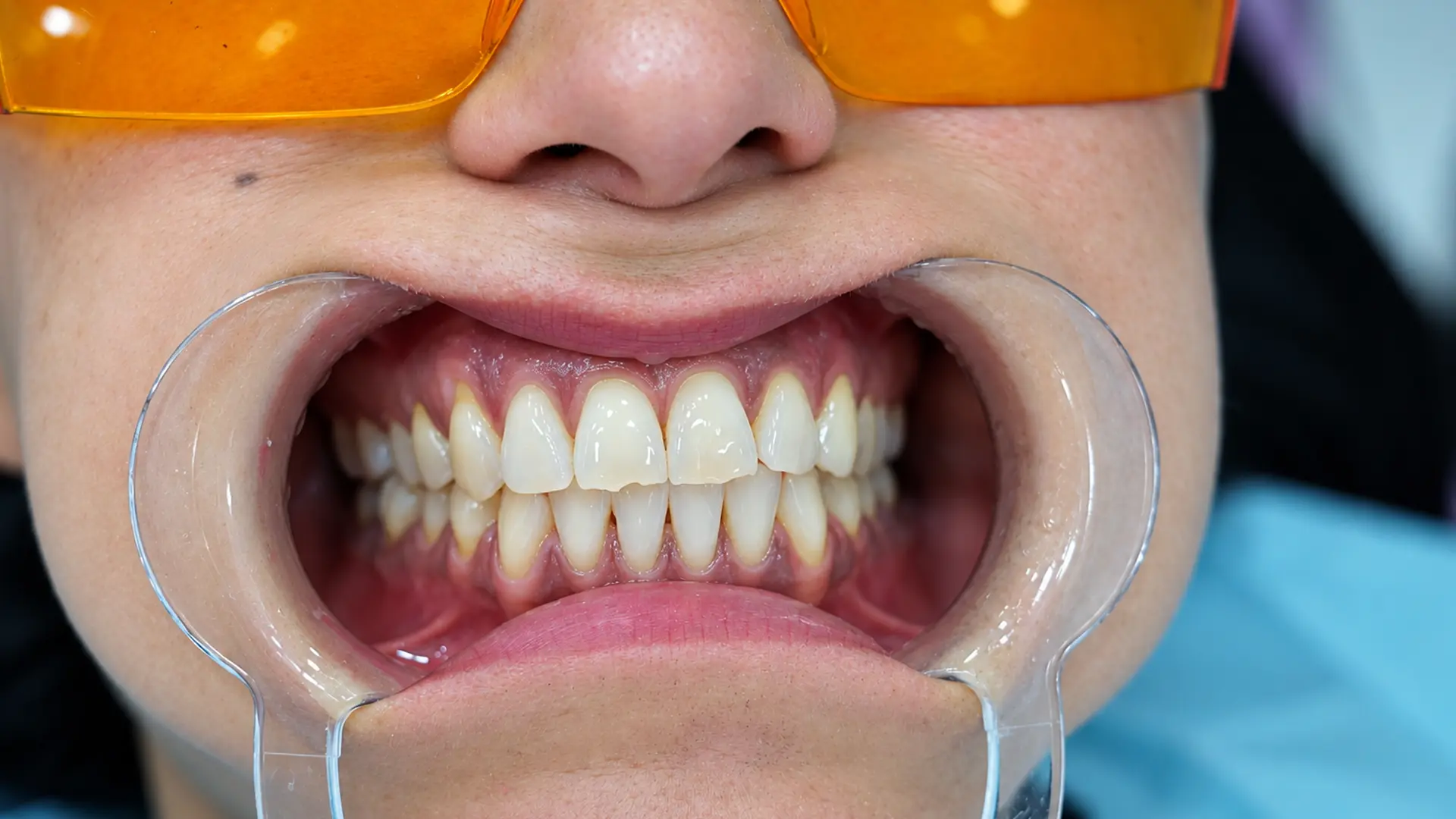
Teeth whitening is one of the procedures used in dental treatment and aesthetics. It aims to reduce discoloration and stains that develop over time, helping the teeth appear lighter and brighter. For discoloration caused by factors such as coffee, tea, smoking, and aging, the appropriate method is selected according to the person’s tooth structure and oral health.
The procedure can be performed in the clinic using in-office, laser- or light-assisted systems, or with at-home methods planned under the supervision of a dentist. The current tooth shade, cause of discoloration, gum health, sensitivity, and existing restorations are considered when selecting the method.
On this page, you can learn about the available methods, how the procedure is performed, who may be suitable, what to consider before and after treatment, and the expected results.
| Feature | Information |
|---|---|
| Procedure Time | 30–60 minutes |
| Anesthesia | Usually not required |
| Recovery Time | Immediate return to daily activities |
| Temporary Sensitivity | May occur for 1–3 days |
| Whitening Methods | In-office, laser/light-assisted, at-home |
| When Results Are Visible | After the procedure |
| Duration of Effect | Varies depending on individual habits |
For detailed information about current prices, the treatment process in Istanbul, and travel planning, you can visit our laser teeth whitening in Turkey page.
What Is Teeth Whitening?
Teeth whitening is a cosmetic dental procedure designed to reduce discoloration that develops over time and lighten the existing tooth shade. Whitening agents act on discoloration on the tooth surface and within the tooth structure.
This procedure is not the same as teeth cleaning. Teeth cleaning focuses on removing plaque and hardened deposits, while whitening is intended to lighten the existing tooth shade. The appropriate method is determined by evaluating the current tooth shade, the cause of discoloration, and oral health.
What Causes Tooth Discoloration?
Tooth color can change over time due to age, dietary habits, tobacco use, and oral hygiene.
- Food and drinks: Coffee, tea, red wine, and highly pigmented foods may cause staining.
- Smoking and tobacco: These may cause yellow or brown stains on the teeth.
- Aging: Changes in the enamel structure can cause the teeth to appear darker.
- Plaque and tartar: Buildup can make the teeth appear duller and darker.
- Medications and trauma: Certain medications, developmental factors, and dental trauma can affect tooth color.
The cause of discoloration is important in determining the appropriate whitening method and the result that may be achieved.
Who Is Suitable for Teeth Whitening?
Teeth whitening may be considered for people who are unhappy with their tooth color and have suitable oral and dental health. It can be particularly suitable for discoloration associated with coffee, tea, smoking, and aging.
- Oral and dental health: If active tooth decay, gum disease, or significant sensitivity is present, these conditions may need to be treated first.
- Fillings and restorations: Fillings, veneers, porcelain restorations, and crowns do not whiten like natural teeth, so they are particularly important to consider in the front teeth.
- Individual assessment: The appropriate method is determined by the dentist after evaluating tooth structure, current shade, and the cause of discoloration.
What Are the Types of Teeth Whitening?
The method is selected according to the type of discoloration, current tooth shade, oral health, and individual expectations. The main options include in-office, laser- or light-assisted, at-home, and combined whitening methods.
In-Office Teeth Whitening
This method is performed in a clinical setting under the supervision of a dentist. After the gums are isolated with a protective barrier, whitening gel is applied to the tooth surfaces. Depending on the system used, the application may be repeated during the same session.
It is commonly preferred because the treatment is completed in the clinic and the result can be evaluated within a short period of time.
Laser Teeth Whitening
After whitening gel is applied to the tooth surface, a laser or special light source is used depending on the system. The gums are protected during the procedure.
Because the way laser or light assistance is used can vary by system, the method is selected according to the tooth structure and the existing discoloration.
At-Home Teeth Whitening
This method is planned by the dentist and carried out at home. Custom-made trays and whitening gel at an appropriate concentration are usually used for the recommended duration and frequency.
The amount of product and the application time should be followed according to the dentist’s instructions.
Combined Teeth Whitening
This method combines an in-office procedure with a personalized at-home whitening plan. The aim is to support the color improvement achieved in the clinic with a home-based program.
The most suitable method is determined by evaluating the initial tooth shade, cause of discoloration, sensitivity, and the desired result.
How Is Laser Teeth Whitening Performed?
Laser teeth whitening is a method performed in a clinical setting under the supervision of a dentist. Before the procedure, the condition of the teeth and gums is assessed, and the treatment is then planned according to the individual.
Total Time: 30 minutes
Evaluation of the Teeth
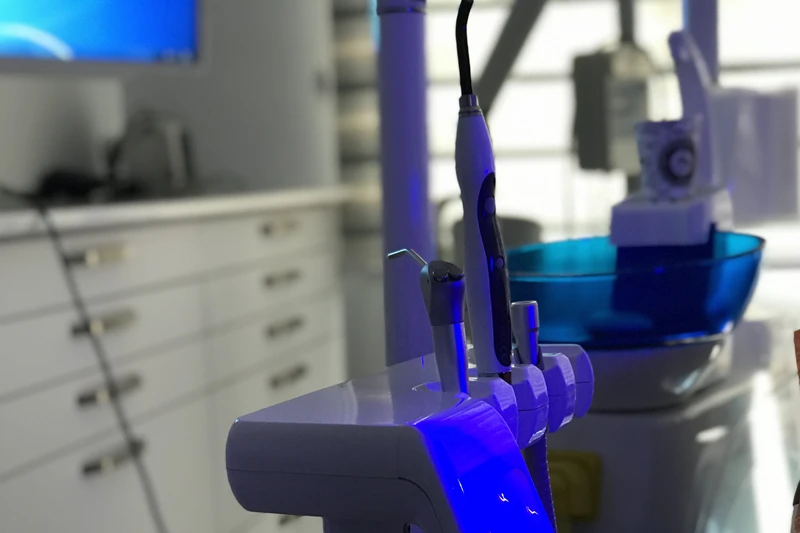
First, the current tooth shade, gum health, sensitivity, cavities, and existing restorations are checked. If there is heavy tartar buildup or an oral or dental condition requiring treatment, the necessary procedures may be planned before whitening.
Protection of the Gums
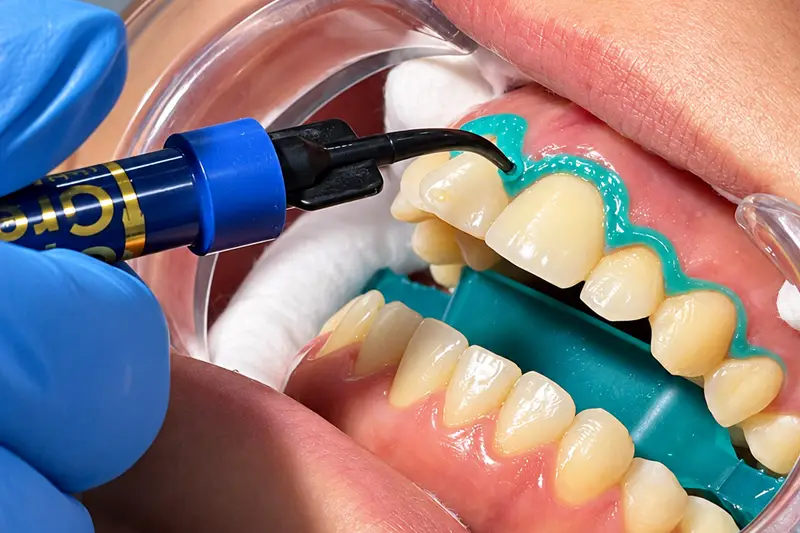
The gums are isolated with a special protective barrier to prevent the whitening gel from coming into contact with them. This allows the whitening procedure to be applied only to the targeted tooth surfaces.
Application of the Whitening Gel
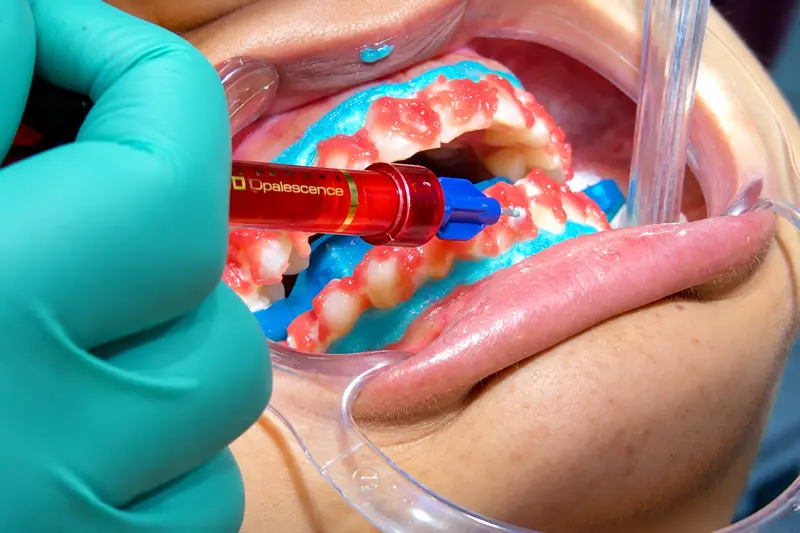
Professional whitening gel is applied in a controlled manner to the visible surfaces of the teeth. The product and application method are selected according to the current condition of the teeth.
Laser or Light Application
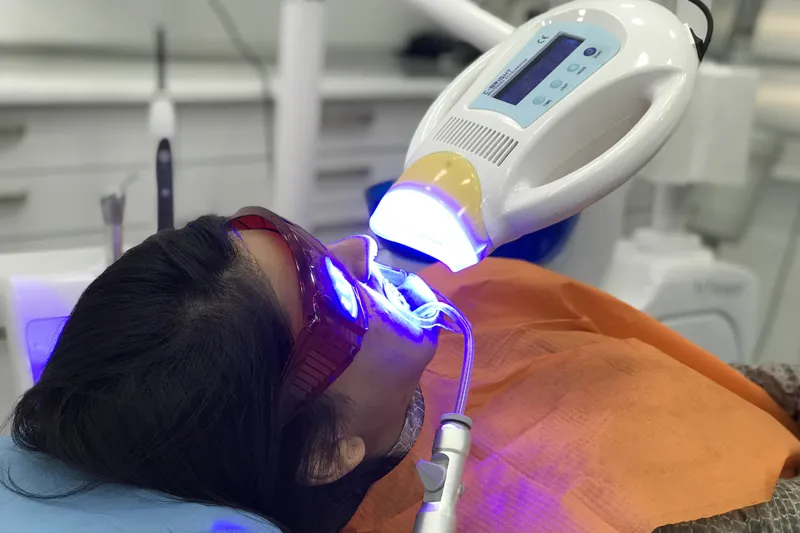
Depending on the whitening system used, the gel is supported with a laser or a special light source. The application may be carried out for specific periods and, if necessary, repeated during the same session.
Cleaning the Teeth and Evaluating the Result
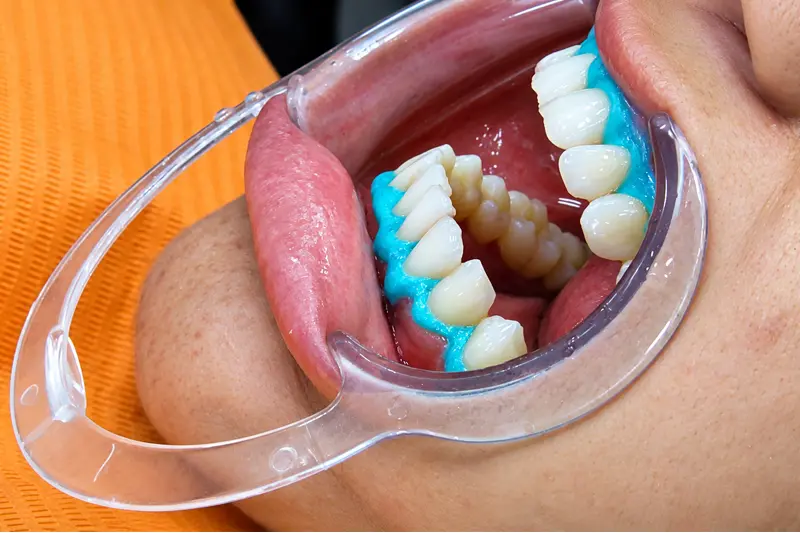
Once the procedure is completed, the whitening gel is removed and the teeth are cleaned. The initial tooth shade is then compared with the color change achieved after the procedure to evaluate the result.
Estimated Cost: 145 EUR
The degree of whitening that can be achieved may vary from person to person. The initial tooth shade, cause of discoloration, and tooth structure can all affect the outcome.
Before Teeth Whitening
Before teeth whitening, oral and dental health is evaluated to determine whether the procedure is suitable for the individual.
- Oral and dental health: If tooth decay, gum problems, plaque, or heavy tartar buildup is present, the necessary treatment or cleaning may be planned beforehand.
- Current tooth shade: The initial shade is recorded so that the color change after the procedure can be evaluated.
- Fillings and restorations: Fillings, veneers, porcelain restorations, and crowns do not whiten, so they are taken into account especially in the front teeth.
- Tooth sensitivity: Existing sensitivity is evaluated so the method can be planned accordingly.
These assessments help with selecting the appropriate method and planning the expected result correctly.
After Teeth Whitening
To help maintain the achieved shade and reduce temporary sensitivity, certain precautions are recommended, especially during the first few days after the procedure.
- Food and drinks: Coffee, tea, red wine, and highly pigmented foods may be limited, particularly during the first 24–48 hours.
- Smoking and tobacco: It is recommended to avoid them as much as possible because they may accelerate new staining.
- Temporary sensitivity: Some people may experience short-term sensitivity to hot or cold temperatures.
- Oral care: Regular brushing, cleaning between the teeth, and routine dental checkups help maintain the appearance achieved after treatment.
In the long term, maintaining good oral care and limiting habits that may cause staining can help preserve the achieved tooth shade for a longer period.
Teeth Whitening Results
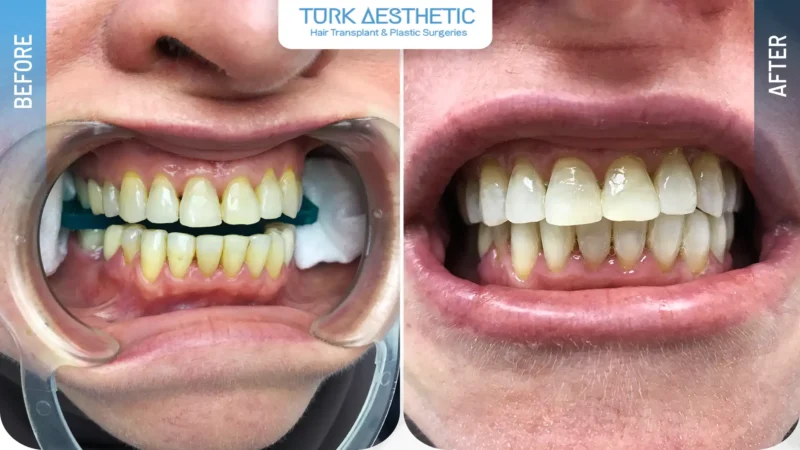
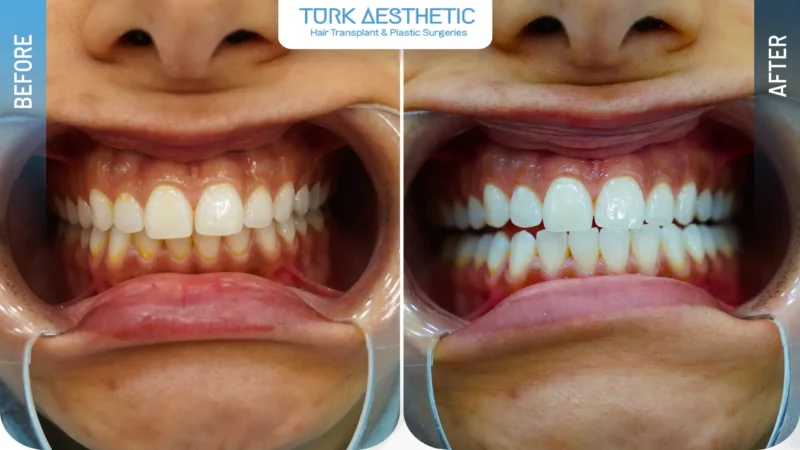
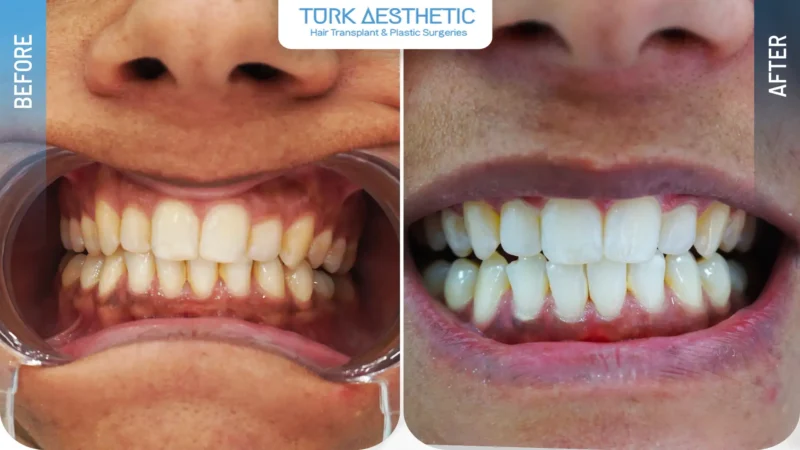
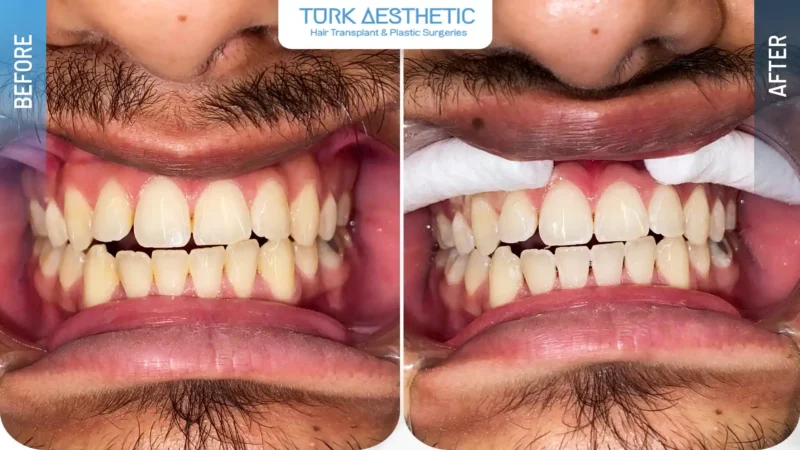
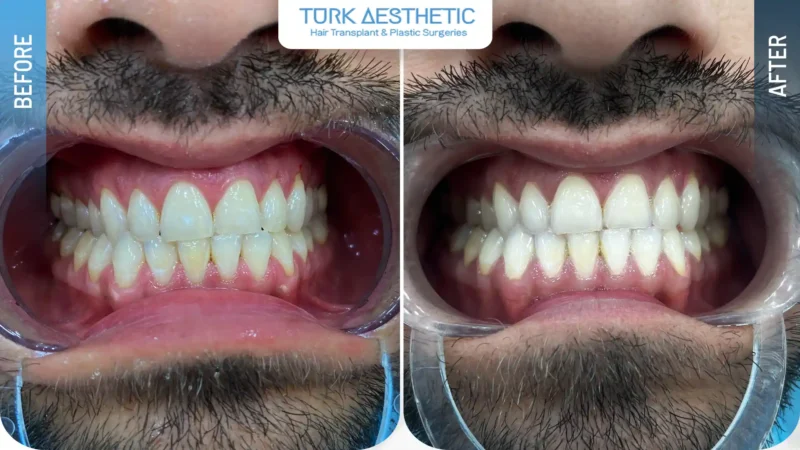
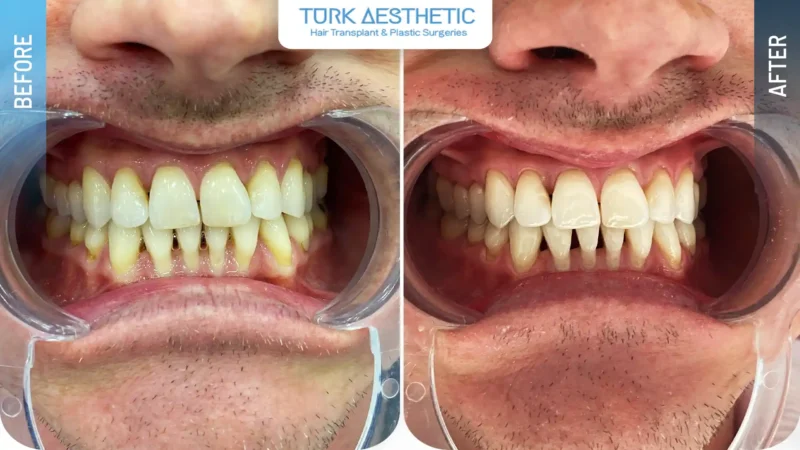
After teeth whitening, the teeth may appear lighter and brighter. The degree of whitening achieved can vary depending on the initial tooth shade, the cause of discoloration, and the tooth structure.
The color of fillings, veneers, porcelain restorations, and crowns does not change with the procedure. Therefore, if restorations are present on the front teeth, any possible color difference should be evaluated beforehand.
The aim is to achieve a lighter and more balanced tooth shade that is compatible with the natural tooth structure.
Side Effects of Teeth Whitening
Some people may experience temporary side effects after teeth whitening. These are generally short-lived and may vary from person to person.
- Tooth sensitivity: Temporary sensitivity to hot, cold, or sweet foods and drinks.
- Gum sensitivity: Short-term irritation or sensitivity of the gums.
- Discomfort: A brief sensation of discomfort during or after the procedure.
Protecting the gums and performing the procedure under the supervision of a dentist can help reduce the risk of these side effects.
Frequently Asked Questions
Does teeth whitening damage the teeth?
When oral and dental health is evaluated and the procedure is performed with appropriate products under the supervision of a dentist, it can be carried out safely. Using unsuitable products or whitening without proper supervision may cause tooth sensitivity or gum irritation.
How long does teeth whitening take?
The duration varies depending on the method used. In-office or laser-assisted methods performed in a clinical setting can generally be completed within 30–60 minutes.
Is teeth whitening painful?
Anesthesia is usually not required. However, some people may experience brief discomfort or tooth sensitivity during or after the procedure.
How long do teeth whitening results last?
The longevity of the result varies from person to person. Oral care, smoking, and how frequently staining products such as coffee, tea, and red wine are consumed can affect how long the achieved shade is maintained.
How many teeth whitening sessions are needed?
The required number of sessions can vary depending on the initial tooth shade, cause of discoloration, method used, and desired result. One session may be sufficient for some people, while additional applications may be planned in other cases.
Do fillings, veneers, and crowns whiten?
No. Composite fillings, porcelain restorations, veneers, and crowns do not respond to whitening in the same way as natural teeth. Possible color differences should be evaluated beforehand, especially when restorations are present on the front teeth.
How long does sensitivity last after teeth whitening?
Some people may experience temporary sensitivity to hot and cold after the procedure. The duration and intensity vary from person to person, but it is generally short-lived. A dentist should be consulted if sensitivity is persistent or significant.
Can teeth whitening be repeated?
Yes, it can be repeated later when necessary. The appropriate timing and method should be determined by the dentist based on the current condition of the teeth, sensitivity, and the previous procedure.