


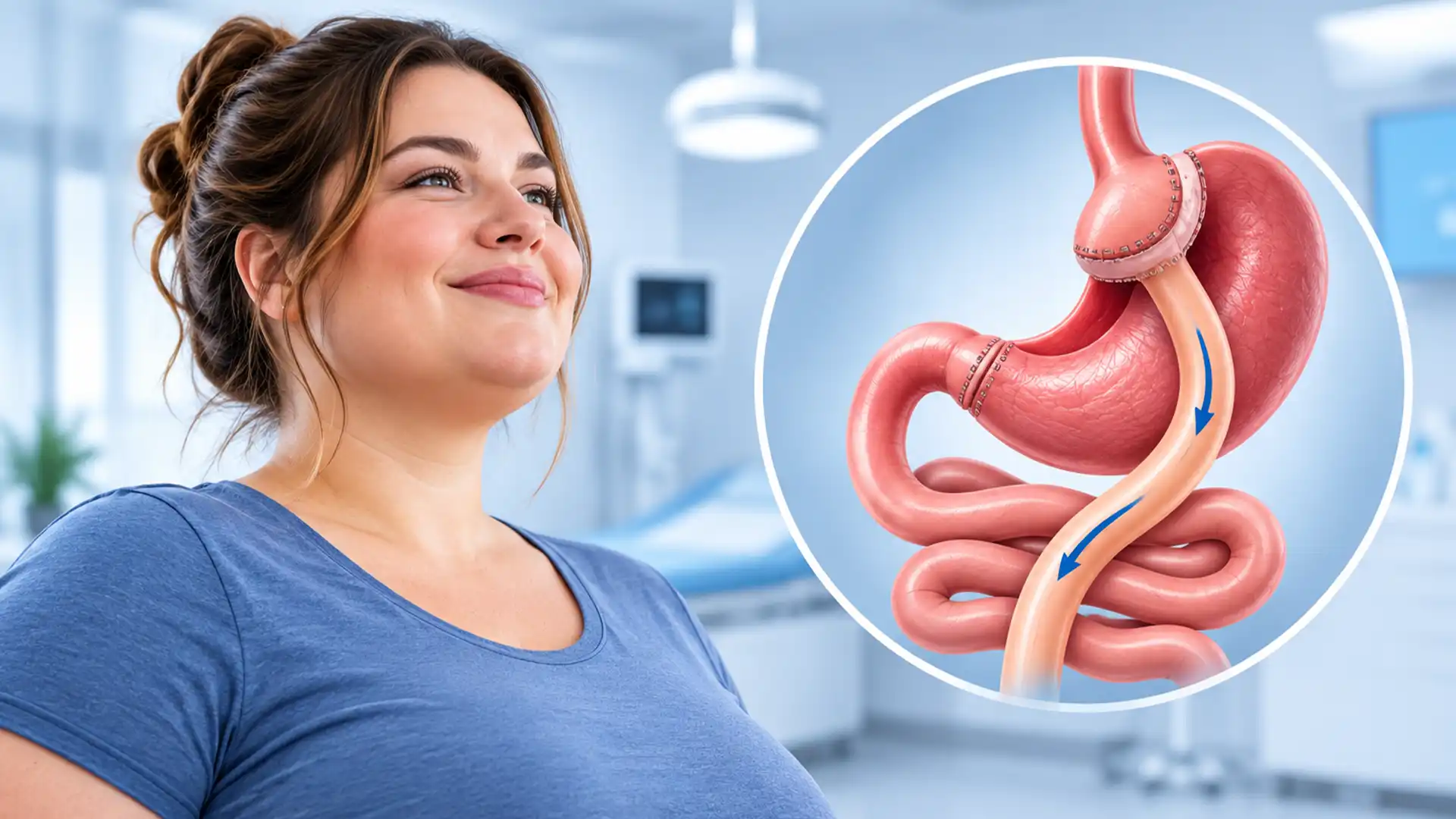
Gastric bypass surgery is a surgical obesity treatment that supports weight loss by reducing the size of the stomach and rerouting the small intestine. After surgery, patients feel full with smaller portions, while changes in the digestive system may contribute to weight control and improved metabolic health.
This widely used bariatric surgery procedure may be suitable for patients who struggle to lose excess weight and experience obesity-related health problems. The surgical technique is determined according to the patient’s body mass index, general health and metabolic needs.
| Surgery Duration | Approximately 1.5–3 hours |
| Anaesthesia | General anaesthesia |
| Surgical Method | Usually laparoscopic surgery |
| Hospital Stay | Usually 2–3 days |
| Return to Daily Life | Approximately 1–2 weeks |
For more information about treatment planning, the surgical process and prices, you can visit our Gastric Bypass Surgery in Turkey page.
What Is Gastric Bypass Surgery?
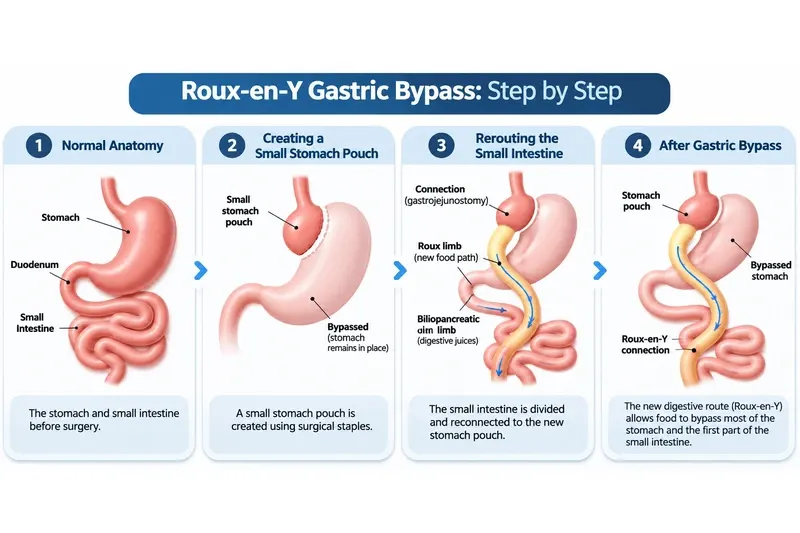
Gastric bypass is a bariatric surgery procedure performed by creating a small pouch in the upper part of the stomach and connecting it to the small intestine. This allows food to pass through the digestive system without travelling through most of the stomach and a certain portion of the small intestine.
Reducing stomach capacity helps patients feel full with smaller portions, while rerouting the intestine may affect nutrient absorption and appetite-related hormones. In addition to weight loss, these changes may contribute to better management of obesity-related metabolic conditions, such as type 2 diabetes.
Who Is Suitable for Gastric Bypass Surgery?
The procedure may be planned for individuals who require surgical weight loss treatment and are considered suitable following a medical assessment. In addition to the patient’s current weight, their medical history and obesity-related health conditions are taken into consideration.
- Individuals with a body mass index (BMI) of 35 or above.
- Individuals with a BMI between 30 and 34.9 who meet the appropriate metabolic or clinical criteria.
- Individuals who have been unable to achieve sufficient weight loss through dietary changes, exercise and other treatment methods.
- Suitable patients experiencing obesity-related health problems, such as type 2 diabetes, hypertension or sleep apnoea.
- Individuals who can follow the postoperative dietary guidelines and long-term follow-up programme.
Suitability for surgery is confirmed following the necessary medical examinations and an assessment by a specialist doctor.
Types of Gastric Bypass Surgery
Several gastric bypass techniques are used in bariatric surgery. The most commonly performed methods are known as Roux-en-Y gastric bypass and mini gastric bypass. Both techniques reduce stomach capacity but differ in the way the intestinal connections are created.
Roux-en-Y Gastric Bypass (RYGB)
In the Roux-en-Y technique, also known as conventional gastric bypass, a small pouch is created in the upper part of the stomach. The small intestine is rerouted and connected to this pouch. A second intestinal connection is created to allow digestive fluids to mix with food.
With this technique, the pathway through which food travels remains separate from the pathway carrying bile and pancreatic fluids until they meet at a certain point. In addition to weight control, the Roux-en-Y technique may be considered for managing certain metabolic conditions and reflux symptoms in suitable patients.
Mini Gastric Bypass (OAGB)
Mini gastric bypass, also known as one-anastomosis gastric bypass, is a bariatric surgery procedure in which a long, narrow stomach pouch is created. This pouch is connected to a selected section of the small intestine through a single surgical connection.
As only one intestinal connection is required, surgery may take less time in some patients compared with the conventional technique. However, individual patient characteristics must be carefully evaluated regarding the risk of bile reflux, vitamin and mineral deficiencies, and changes in nutrient absorption.
Gastric Bypass vs Mini Gastric Bypass
| Feature | Roux-en-Y Gastric Bypass | Mini Gastric Bypass |
|---|---|---|
| Stomach Pouch | Small stomach pouch | Long, narrow stomach pouch |
| Number of Connections | Two connections | One connection |
| Surgery Duration | Generally longer | Generally shorter |
| Risk of Bile Reflux | Generally lower | May be higher |
Both techniques may provide effective results in suitable patients. The most appropriate surgical method is determined according to the patient’s health condition, reflux symptoms, metabolic needs and the surgeon’s assessment.
Preparation Before Gastric Bypass Surgery
Before surgery, the patient’s general health and suitability for the surgical procedure are assessed. Once the necessary examinations have been completed, a personalised surgical and nutritional programme is prepared.
- Blood tests and necessary medical examinations should be completed.
- Existing medical conditions and regularly used medications should be discussed with the doctor.
- Endoscopy and other imaging procedures should be performed when necessary.
- Smoking and alcohol consumption should be stopped for the period specified by the doctor.
- The recommended preoperative diet should be followed.
- The use of blood thinners and other medications should be managed by the doctor.
- Preoperative fasting and fluid intake instructions should be followed.
How Is Gastric Bypass Surgery Performed?
The operation is usually performed using laparoscopic surgery through small incisions in the abdominal area. The stages of the procedure may vary depending on the selected bypass technique.
1. Anaesthesia and Surgical Preparation
The patient is placed under general anaesthesia. Small incisions are made in the abdominal area to allow the insertion of a laparoscopic camera and surgical instruments.
2. Creation of the Stomach Pouch
A small stomach pouch is created in the upper part of the stomach using specialised surgical equipment. The remaining portion of the stomach is generally left inside the body, but consumed food no longer passes directly into this section.
3. Rerouting the Small Intestine
A selected section of the small intestine is connected to the newly created stomach pouch. In the Roux-en-Y technique, a second intestinal connection is created, whereas the mini bypass technique uses a single connection.
4. Surgical Checks
The newly created connections are checked for bleeding, leakage and other potential surgical complications. Once the necessary checks have been completed, the surgical incisions are closed.
5. Hospital Monitoring
After surgery, the patient remains under medical observation in the hospital. Fluid intake, pain management, mobility and general health are assessed before discharge is planned.
Recovery After Gastric Bypass Surgery
The hospital stay after surgery is usually 2–3 days. Mild abdominal pain, fatigue and tenderness during movement may occur during the first few days. Depending on the patient’s health condition, short walks may be recommended during the early stages of recovery.
Most patients may return to their daily activities within approximately 1–2 weeks. Strenuous physical activities and intensive exercise may require a longer recovery period.
- Medications prescribed by the doctor should be taken regularly.
- Drink sufficient fluids throughout the day.
- Follow the nutritional programme gradually, according to its recommended stages.
- Take short, regular walks.
- Avoid heavy lifting until approved by the doctor.
- Care for the surgical incision sites as recommended.
- Take vitamin and mineral supplements regularly.
- Attend all scheduled follow-up appointments.
Nutrition After Gastric Bypass Surgery
Following surgery, dietary habits must be adjusted due to the reduced stomach capacity and changes in the digestive system. The nutritional programme progresses through several stages to help the digestive system heal and adapt to its new structure.
Liquid Diet Stage
During the initial stage after surgery, liquids recommended by the doctor are consumed slowly and in small quantities. Maintaining adequate hydration and meeting protein requirements are important during this period.
Puréed and Soft Food Stage
As recovery progresses, patients gradually transition to puréed foods, followed by soft foods. Meals should be consumed in small portions, and food should be chewed thoroughly.
Transition to a Regular Diet
Patients may generally transition gradually to solid foods within 4–8 weeks after surgery, depending on their tolerance and the dietitian’s assessment. A balanced, protein-rich diet is established.
Foods high in sugar, excessively fatty foods and carbonated drinks should be limited. Iron, vitamin B12, calcium, vitamin D and other necessary supplements should be planned according to regular blood test results.
Weight Loss After Gastric Bypass Surgery
Weight loss after surgery generally occurs more rapidly during the first few months. Significant changes may be observed within the first 6–12 months, and weight loss typically continues for 12–18 months.
Following gastric bypass surgery, many patients may lose approximately 25–35% of their initial total body weight. For example, for a person weighing 120 kg, this corresponds to a weight loss of approximately 30–42 kg.
Results vary depending on initial body weight, surgical technique, metabolic characteristics, dietary habits and physical activity. Regular follow-up and maintaining healthy lifestyle habits are important for long-term weight management.
Benefits of Gastric Bypass Surgery
- May support significant and long-term weight loss.
- Helps patients feel full with smaller portions.
- May promote hormonal changes associated with appetite and blood sugar control.
- May contribute to improved management of type 2 diabetes.
- May improve obesity-related health conditions, such as hypertension and sleep apnoea.
- May help improve mobility and quality of life.
- Can be performed laparoscopically through small surgical incisions.
Gastric Bypass vs Gastric Sleeve Surgery
Gastric bypass and gastric sleeve surgery are two widely used bariatric surgery procedures. Both operations reduce stomach capacity, but they differ in the changes they make to the digestive system.
| Feature | Gastric Bypass | Gastric Sleeve Surgery |
|---|---|---|
| Stomach Structure | A small stomach pouch is created | A large portion of the stomach is removed |
| Intestinal Structure | The intestine is rerouted | Remains unchanged |
| Surgery Duration | Generally longer | Generally shorter |
| Risk of Vitamin and Mineral Deficiencies | Generally higher | Also present |
The choice of surgical procedure should not be based solely on weight loss goals. The patient’s metabolic condition, existing medical conditions and digestive system characteristics should also be taken into consideration.
Side Effects and Potential Risks
As with other surgical obesity treatments, gastric bypass carries certain early and long-term risks. Preoperative assessment and regular follow-up are important for preventing or detecting potential complications at an early stage.
- Temporary abdominal pain, nausea and vomiting.
- Bleeding and infection.
- Leakage or narrowing at the surgical connection sites.
- Vitamin and mineral deficiencies.
- Protein deficiency.
- Dumping syndrome.
- Gallstone formation.
- Intestinal obstruction or internal hernia.
- Ulcer formation at the connection between the stomach and intestine.
- Bile reflux, particularly with the mini gastric bypass technique.
- Blood clot formation and anaesthesia-related complications.
If severe abdominal pain, high fever, persistent vomiting, shortness of breath, noticeable heart palpitations or signs of bleeding occur after surgery, medical attention should be sought without delay.
Gastric Bypass Results and Long-Term Follow-Up
The primary goal of gastric bypass surgery is to achieve healthy and sustainable weight loss while reducing obesity-related health problems. Alongside weight loss, patients may experience positive changes in physical mobility, metabolic health and overall quality of life.
To maintain the results achieved after surgery, patients should continue following a balanced diet, engaging in regular physical activity and maintaining healthy lifestyle changes. Due to the changes made to the digestive system, lifelong monitoring of vitamin and mineral levels and regular use of necessary supplements are important.
Frequently Asked Questions
What is gastric bypass surgery?
It is a surgical obesity treatment that supports weight loss by reducing stomach capacity and rerouting the small intestine.
How long does gastric bypass surgery take?
The operation usually takes 1.5–3 hours. The duration may vary depending on the surgical technique and the patient’s condition.
How much weight can you lose with gastric bypass?
Many patients may lose approximately 25–35% of their initial total body weight. Results vary from person to person.
Is the stomach removed during gastric bypass surgery?
Generally, no. A small stomach pouch is created, and the remaining portion of the stomach is left inside the body.
Can you regain weight after gastric bypass?
Yes. Weight regain may occur if healthy dietary and lifestyle habits are not maintained.
Does gastric bypass help with type 2 diabetes?
It may improve blood sugar control and reduce the need for diabetes medication in suitable patients.
Do you need to take vitamins after gastric bypass?
Yes. Vitamin and mineral supplementation and regular blood tests are necessary throughout life.
When can you return to a regular diet after gastric bypass?
Patients can generally transition gradually to solid foods within 4–8 weeks, according to the recommendations of their doctor and dietitian.