


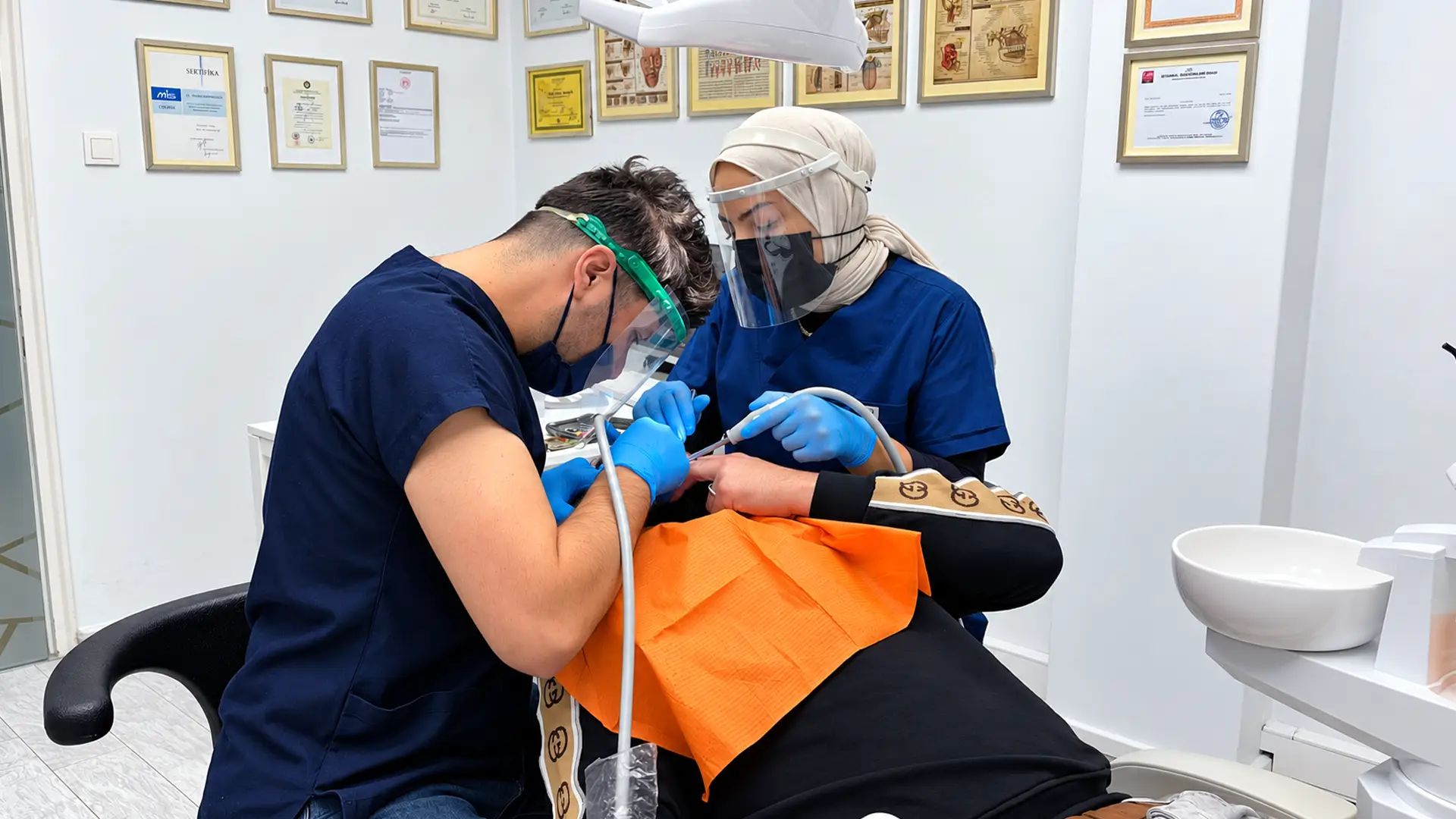
Root canal treatment is an endodontic procedure used to preserve a natural tooth when the pulp tissue inside the tooth becomes severely damaged or infected. Whether treatment is necessary is determined through a dental examination and, when needed, radiographic evaluation.
| Anesthesia | Local anesthesia |
| Procedure Time | Usually 30–90 minutes |
| Number of Sessions | Usually 1–2 sessions |
| Hospital Stay | Not required |
| Return to Daily Activities | Usually the same day |
| Purpose | To preserve the natural tooth |
For more information about the treatment process, prices, and planning in Istanbul, visit our root canal treatment in Turkey page.
What Is Root Canal Treatment?
The outer part of the tooth consists of enamel and dentin, while the inner part contains the pulp tissue, which includes nerves and blood vessels. When the pulp is damaged by deep decay, a crack, fracture, or trauma, inflammation or infection may develop.
During root canal treatment, the damaged pulp tissue is removed from inside the tooth. The root canals are then cleaned and disinfected before being sealed with root canal filling materials to reduce the risk of reinfection.
This can make it possible to preserve a tooth that might otherwise need to be extracted in suitable cases.
When Is Root Canal Treatment Needed?
Root canal treatment may be needed when the pulp tissue inside the tooth is irreversibly damaged or infected. One of the most common causes is deep tooth decay that progresses untreated until it reaches the pulp. Cracks or fractures in the tooth, trauma, or damage to the pulp following previous dental procedures may also lead to the need for treatment.
Possible symptoms in these situations include:
- Tooth pain that starts spontaneously or lasts for a prolonged period
- Persistent sensitivity to hot or cold
- Pain when biting or chewing
- Swelling or tenderness of the gums
- An abscess or swelling around the tooth root
- Discoloration of the tooth
Not every toothache means that root canal treatment is necessary. In some cases, pain may decrease or disappear completely when the pulp loses its vitality. For this reason, the decision to proceed with treatment is based on the clinical examination, the condition of the tooth, and X-ray findings when required.
How Is Root Canal Treatment Performed?
Root canal treatment is planned according to the condition of the tooth and its root canals. The procedure is performed under local anesthesia and aims to remove infected or damaged tissue while preserving the natural tooth whenever possible. Treatment generally involves the following steps:
Tooth Evaluation
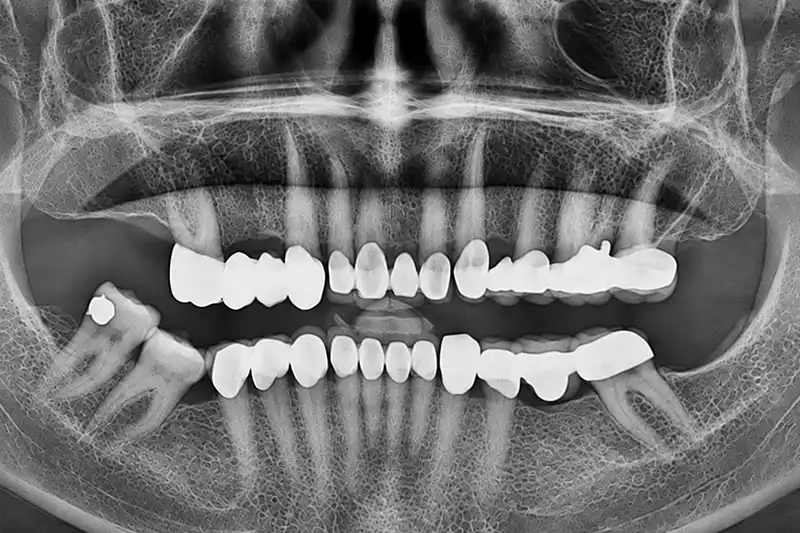
The dentist first examines the tooth and takes an X-ray when necessary. This allows the structure of the root canals, the extent of infection, and the tissues surrounding the tooth to be evaluated before planning treatment.
Cleaning the Root Canals
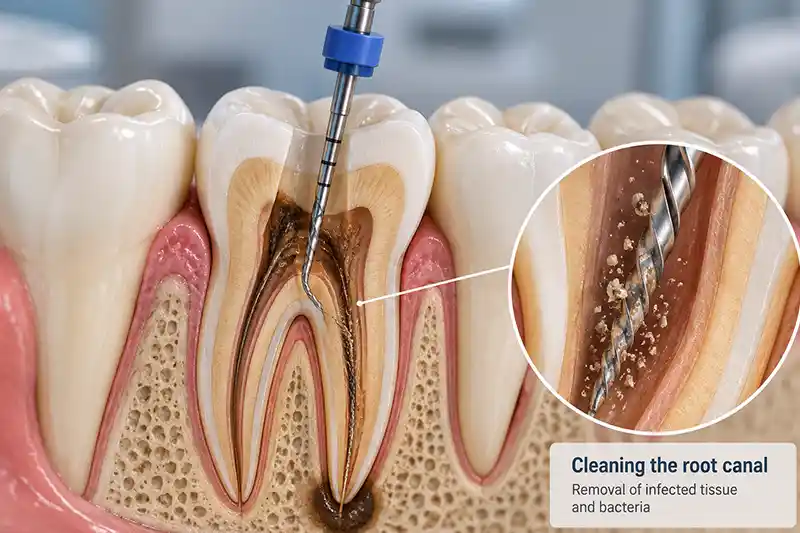
The inside of the tooth is accessed and damaged or infected pulp tissue is removed. The root canals are then cleaned and shaped with specialized instruments and disinfected with appropriate solutions to prepare them for filling.
Filling the Root Canals
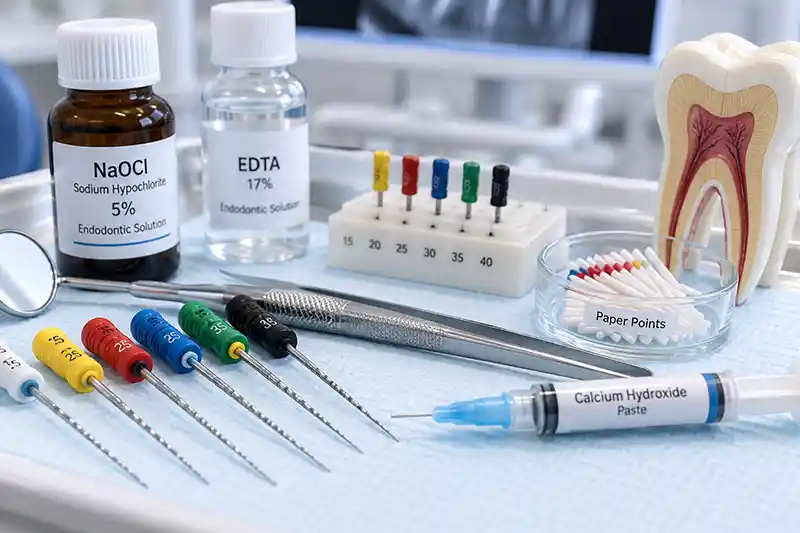
The cleaned and prepared root canals are filled with suitable root canal filling materials. The aim is to seal the space inside the canals, reduce the risk of bacteria re-entering, and prepare the tooth for the next restorative stage.
Restoring the Tooth
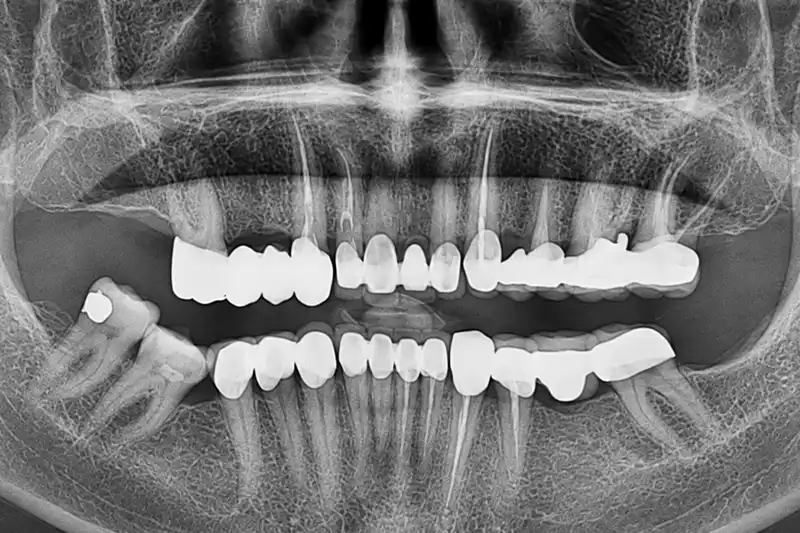
Once root canal treatment is complete, the upper part of the tooth is rebuilt with an appropriate filling. If a significant amount of tooth structure has been lost or the risk of fracture is high, additional restorative options such as a dental crown may be considered to protect the tooth in the long term.
Root canal treatment is one of the dental treatments that may be considered depending on the condition of the tooth, with the aim of preserving the natural tooth whenever possible.
Before Root Canal Treatment
Before the procedure, the condition of the tooth is evaluated through an examination and any necessary imaging. The following factors are particularly considered when planning treatment:
- Whether the tooth can be restored after treatment
- The structure of the roots and root canals
- The condition of the bone surrounding the tooth
- The presence of infection or an abscess
- The condition of any decay, fractures, or existing restorations
Any medications being taken, existing health conditions, and known allergies should also be discussed with the dentist before the procedure.
After Root Canal Treatment
After treatment, it is important to protect the tooth and complete the planned restorative process. If a permanent filling or crown is planned, the treatment schedule recommended by the dentist should be followed.
- Take care when eating until the effects of the anesthesia have completely worn off.
- Avoid chewing very hard foods with the treated tooth during the first few days.
- Brush the teeth regularly and clean between them.
- Continue oral care as recommended by the dentist.
- If a permanent filling or crown is planned, it should not be unnecessarily delayed.
- Do not neglect routine dental checkups.
Maintaining good oral hygiene and completing any necessary restorations are important for protecting the tooth in the long term.
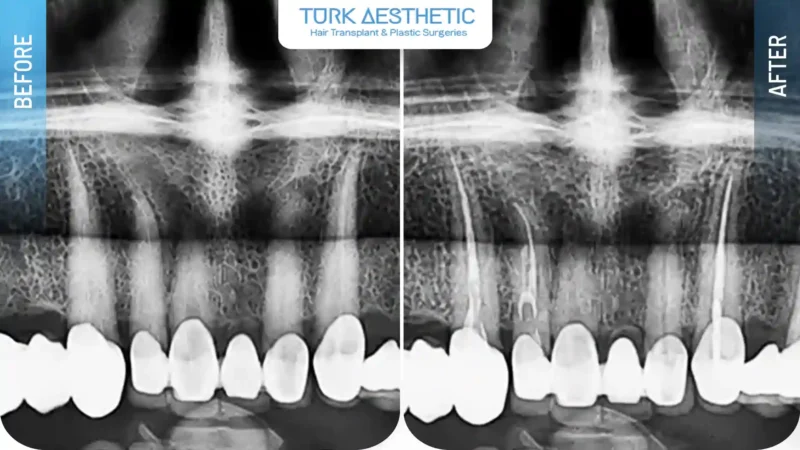
Before and After Root Canal Treatment
Before root canal treatment, the condition of the infection and tooth roots is evaluated. After treatment, the cleaned root canals are filled with the aim of preserving the tooth and allowing it to continue functioning.
Is a Crown Needed After Root Canal Treatment?
Not every tooth requires a crown after root canal treatment. The type of restoration needed depends on the location of the tooth, the amount of healthy tooth structure remaining, any existing fillings or restorations, and the forces placed on the tooth during chewing.
For front teeth, rebuilding the tooth with an appropriate filling may be sufficient when enough healthy tooth structure remains. However, the risk of fracture is assessed more carefully in teeth that have lost a significant amount of structure and are exposed to greater chewing forces, particularly molars.
In these cases, restorative options such as a dental crown may be considered to strengthen the tooth and protect the remaining tooth structure. The most appropriate option is determined after root canal treatment by evaluating the condition of the remaining tooth.
Root Canal Treatment or Tooth Extraction?
The aim of root canal treatment is to preserve the natural tooth whenever possible. The infected or damaged pulp is removed, the root canals are filled, and the tooth is appropriately restored so that it can continue to function.
With tooth extraction, the tooth is completely removed from the mouth along with its roots. Additional treatment may be needed to replace the missing tooth after extraction. One option for replacing a missing tooth is a dental implant.
However, not every tooth can be preserved with root canal treatment. Extraction may be considered when a tooth is severely fractured, does not have enough healthy structure remaining, or cannot be restored.
The appropriate treatment is not determined by the severity of pain alone. The remaining healthy tooth structure, root anatomy, surrounding tissues, and radiographic findings are evaluated together when planning treatment.
Benefits of Root Canal Treatment
The main benefits include:
- Helps preserve the natural tooth without extraction.
- Removes the source of infection from inside the tooth.
- May help relieve tooth-related pain and sensitivity.
- Allows the tooth to continue functioning during chewing.
- May help prevent tooth loss and the need to replace a missing tooth after extraction.
Possible Symptoms After Treatment
Mild tooth sensitivity or discomfort when chewing may occur, particularly during the first few days after treatment. The degree of discomfort can vary depending on the condition of the tooth before treatment and the sensitivity of the surrounding tissues.
Possible symptoms after the procedure include:
- Temporary tooth sensitivity
- Mild pain or discomfort when chewing
- Short-term tenderness around the tooth
- Persistent or recurrent infection in rare cases
A dentist should be consulted if pain becomes severe, continues for a prolonged period, or if significant swelling or any unexpected symptoms develop.
Frequently Asked Questions
Is pain normal after root canal treatment?
Mild sensitivity or discomfort, particularly when chewing, may occur for a few days after treatment. A dentist should be consulted if the pain is severe, progressively worsens, or persists for a prolonged period.
How long does root canal treatment take?
The procedure usually takes 30–90 minutes. The duration depends on the number and anatomy of the root canals and the condition of the infection. Some cases can be completed in a single session, while others may require more than one session.
How many sessions does root canal treatment require?
Some cases can be completed in a single session. More than one session may be required depending on the condition of the infection, root canal anatomy, and characteristics of the treated tooth.
Can a root canal-treated tooth decay again?
Yes. Root canal treatment does not make the tooth immune to decay. New cavities can develop on the outer surfaces of the tooth, so good oral hygiene and regular dental checkups remain important.
Does a tooth lose its vitality after root canal treatment?
During treatment, the pulp tissue inside the tooth is removed. However, the tooth continues to be supported by the surrounding tissues and can continue functioning during chewing after appropriate restoration.
Is a crown necessary after root canal treatment?
A crown is not necessary for every tooth. Whether a crown or another type of restoration is needed depends on the amount of healthy tooth structure remaining, the location of the tooth, and the risk of fracture.
Can root canal treatment fail?
Yes. Some teeth may require retreatment because of complex root canal anatomy, persistent or recurrent infection, or problems related to the restoration.
Can the tooth be extracted instead of having root canal treatment?
Extraction may be an option in some cases. However, if the tooth can be preserved, treatments aimed at keeping the natural tooth are generally considered first. The decision is based on the dental examination and radiographic findings.
How long can a root canal-treated tooth last?
After successful treatment and appropriate restoration, the tooth can remain functional for many years. Its longevity varies depending on the remaining tooth structure, the condition of the restoration, oral hygiene, and regular dental checkups.