


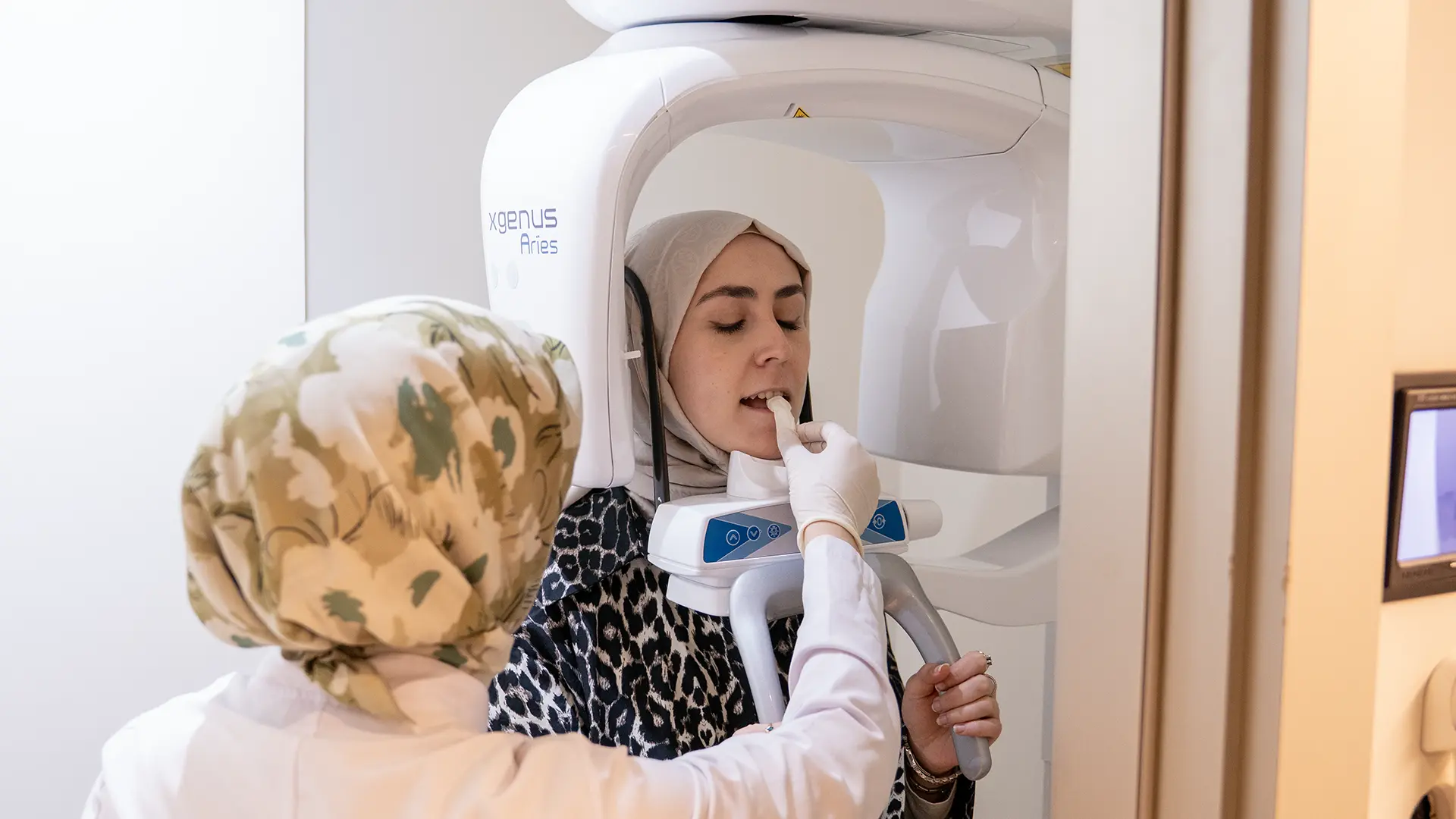
Teeth Cleaning is a professional dental procedure that removes hardened plaque and tartar that build up over time on the tooth surfaces and around the gum line. As part of dental treatments and aesthetic procedures designed to support oral health, professional cleaning helps remove deposits that may develop despite regular oral hygiene. These deposits can contribute to gum sensitivity, bleeding, bad breath, and gum problems.
During the procedure, tartar is carefully removed using specialized dental instruments. The tooth surfaces may then be polished to make them smoother and help reduce some superficial stains. The goal is not only to achieve a cleaner appearance but also to support a healthier environment for the teeth and gums.
The amount of tartar buildup and how often professional cleaning is needed can vary from person to person. For this reason, evaluating the teeth and gums beforehand is important for determining an appropriate cleaning plan.
| Feature | Information |
|---|---|
| Procedure Duration | Approximately 30–60 minutes |
| Anesthesia | Usually not required |
| Number of Sessions | Usually 1 session |
| Return to Daily Activities | Immediately |
| Recovery Time | Usually not required |
Why Does Tartar Build Up?
Tartar forms when bacterial plaque accumulates on the tooth surfaces and gradually hardens due to minerals in saliva. Regular brushing and flossing help remove plaque, but buildup can still occur in areas that are difficult to clean effectively.
The main factors that may contribute to tartar buildup include:
- Insufficient or irregular oral hygiene
- Inadequate cleaning between the teeth and along the gum line
- The composition and mineral content of saliva
- Dietary habits
- Smoking and the use of tobacco products
- Individual differences in the tendency to develop plaque and tartar
Once plaque hardens into tartar, it cannot usually be removed with regular brushing alone and professional cleaning may be necessary. Tartar that remains for a long time can contribute to gum redness, sensitivity, bleeding, and bad breath.
Who Is Teeth Cleaning Suitable For?
Teeth cleaning is suitable for most people who have hardened deposits on the tooth surfaces or around the gum line. The need for treatment and how often it should be performed are determined according to the individual’s oral and dental health.
Professional cleaning may be particularly recommended for people who:
- Have visible hardened deposits on the tooth surfaces
- Experience gum bleeding while brushing or flossing
- Have problems with bad breath
- Experience redness or sensitivity of the gums
- Continue to develop plaque and hardened deposits despite regular oral care
- Need professional oral and dental care
People with heavy buildup or gum disease may require more comprehensive periodontal treatment beyond standard cleaning. For this reason, the appropriate procedure is determined after an examination by a dentist.
How Is Teeth Cleaning Performed?
The procedure begins with an evaluation of the teeth and gums by the dentist. Hardened plaque and tartar accumulated on the tooth surfaces and around the gum line are carefully removed using specialized dental instruments. The procedure is usually completed in a single session.
Total Time: 30 minutes
Teeth and Gum Examination
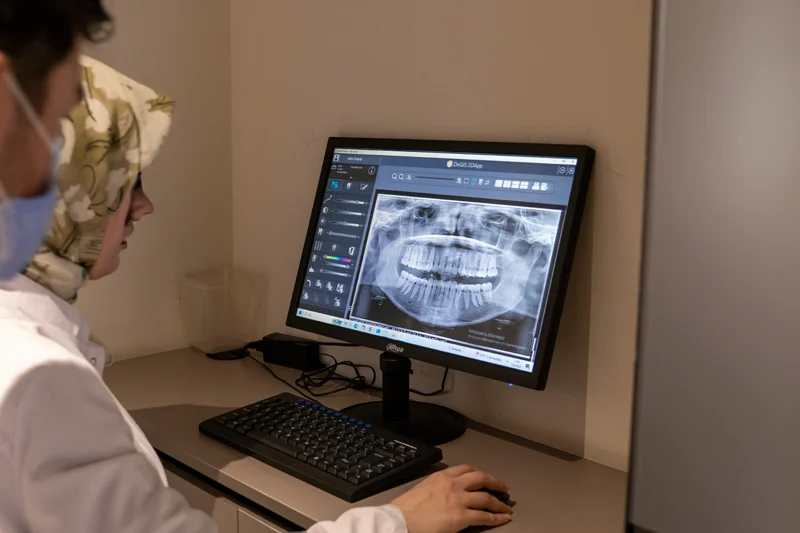
Before the procedure, the teeth, gums, and areas with significant tartar buildup are evaluated. When necessary, additional examinations such as dental X-rays may be used to assess the teeth and surrounding tissues in greater detail. If gum disease or advanced tartar buildup is detected, treatment is planned accordingly.
Tartar Removal
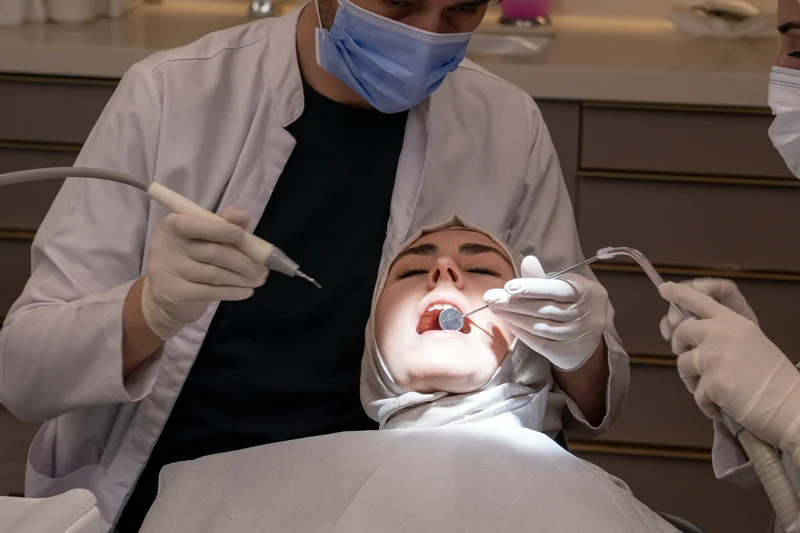
Hardened tartar accumulated on the tooth surfaces and around the gum line is usually removed using ultrasonic instruments and, when necessary, specialized hand instruments. The deposits are carefully removed while protecting the tooth enamel.
Teeth Polishing
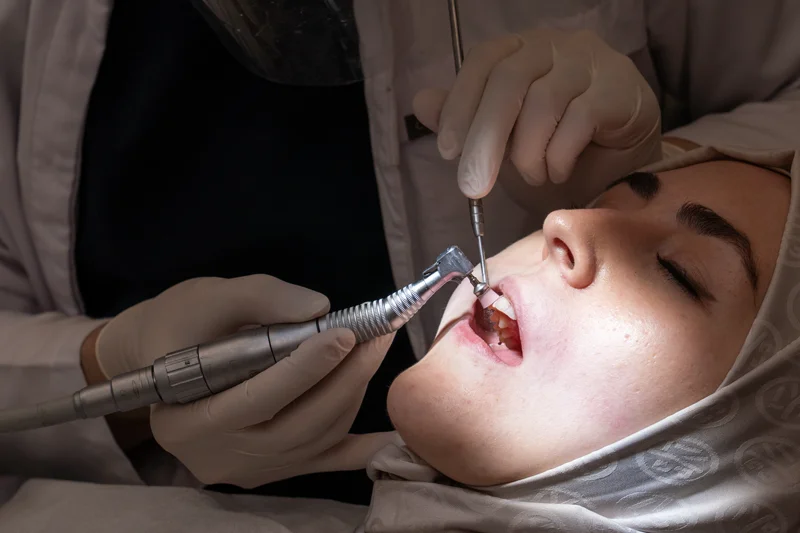
After the tartar has been removed, the tooth surfaces may be polished. This can help make the surfaces smoother and reduce some superficial stains caused by coffee, tea, or smoking.
Estimated Cost: 45 EUR
After the procedure, personalized recommendations may be provided on how to maintain good oral hygiene. Most people can return to their normal daily activities immediately.
Before Teeth Cleaning
No special preparation is usually required before teeth cleaning. Before the procedure, the dentist evaluates the overall oral health, the amount of tartar buildup, and the condition of the gums.
The main points to consider before the procedure include:
- Teeth can be brushed normally and regular oral hygiene can be maintained.
- The dentist should be informed about any medications being used and existing health conditions.
- Any current symptoms, such as gum bleeding, sensitivity, or pain, should be mentioned.
- The dentist should be informed about any previous dental or gum problems.
- If heavy tartar buildup or gum disease is detected, a different or additional periodontal treatment may be recommended.
Following the evaluation, the appropriate cleaning procedure is planned according to the condition of the teeth and gums.
After Teeth Cleaning
Most people can return to their daily activities immediately after the procedure. Temporary sensitivity of the teeth or gums may occur, particularly in people with heavy tartar buildup. This usually resolves within a short period.
The main recommendations after the procedure include:
- Continue brushing the teeth regularly.
- Dental floss or interdental cleaning products recommended by the dentist can be used to clean between the teeth.
- During the first few hours, very hot or cold foods and drinks can be avoided if they cause sensitivity.
- Mild gum sensitivity or temporary bleeding may occur.
- Avoiding smoking and tobacco products as much as possible can help support oral and gum health.
- Regular dental checkups should be continued.
Maintaining a good oral hygiene routine can help reduce plaque buildup and delay the formation of new tartar.
Benefits of Teeth Cleaning
Professional cleaning is performed not only to give the teeth a cleaner appearance but also to help maintain oral and gum health. Removing hardened plaque and deposits can make daily oral hygiene easier and more effective.
The main benefits include:
- Removes hardened plaque and deposits from the tooth surfaces.
- May help reduce gum redness, sensitivity, and bleeding.
- May help reduce bad breath associated with plaque and deposits.
- Helps maintain healthy gums.
- Leaves the tooth surfaces cleaner and smoother.
- May help reduce some superficial stains caused by tea, coffee, and smoking.
- Can make daily oral hygiene easier and more effective.
Combined with regular dental checkups and proper oral care, professional cleaning can contribute to maintaining long-term oral and dental health.
Are There Any Side Effects of Teeth Cleaning?
The procedure is generally considered safe. However, some temporary effects may occur afterward, particularly in people with heavy tartar buildup or sensitive gums.
The most common temporary effects may include:
- Temporary sensitivity to hot and cold temperatures
- Mild gum bleeding
- Short-term gum sensitivity or discomfort
- Temporary gum redness
- Spaces between the teeth becoming more noticeable after heavy tartar deposits are removed
Spaces that become more noticeable between the teeth after cleaning are not usually caused by damage to the teeth. In many cases, existing gaps simply become more visible after tartar that previously filled or covered these areas is removed.
Most of these effects improve within a short time. If pain, bleeding, or sensitivity persists or becomes more severe, it is recommended to consult a dentist.
Teeth Cleaning Before and After
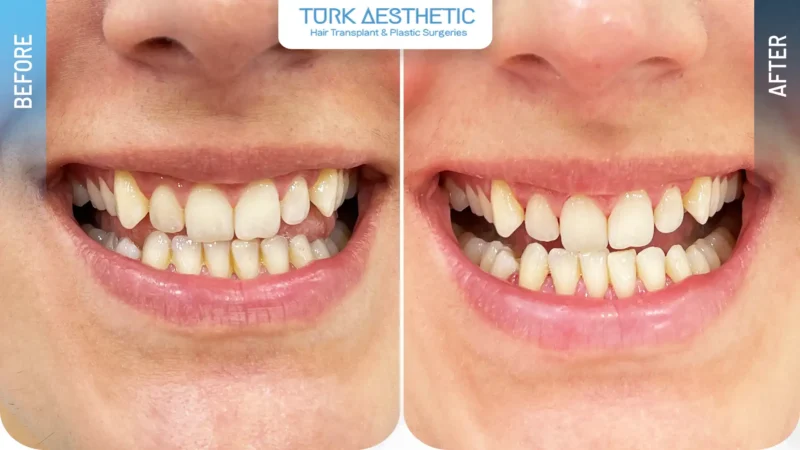
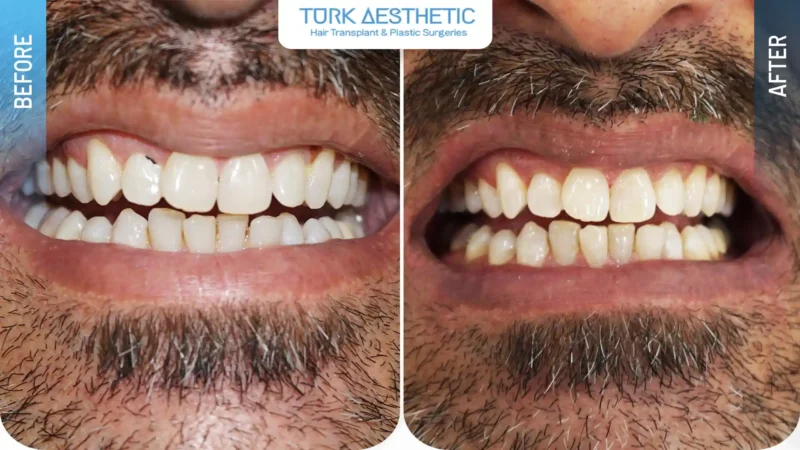
Before and after photos help visually demonstrate the changes that may occur after hardened plaque and tartar are removed from the tooth surfaces and around the gum line.
Before the procedure, yellow or brownish hardened deposits may be visible, particularly on the inner surfaces of the lower front teeth, between the teeth, and around the gum line. After professional cleaning, removing these deposits can leave the tooth surfaces looking cleaner and smoother.
Teeth cleaning is not a teeth whitening procedure. Therefore, the main difference between before and after is not a change in the natural tooth color, but the removal of tartar, plaque, and some superficial stains. The final appearance may vary depending on the amount of buildup present initially and the individual’s oral and dental condition.
You can review the results from different cases in the photos below.



Frequently Asked Questions About Teeth Cleaning
Does teeth cleaning hurt?
The procedure does not usually cause significant pain. However, people with sensitive gums or heavy buildup may experience brief sensitivity or discomfort during treatment.
How long does teeth cleaning take?
The procedure usually takes approximately 30–60 minutes. The duration may vary depending on the amount of tartar and the extent of buildup in the mouth.
Can teeth cleaning damage tooth enamel?
When performed by a dentist using appropriate instruments and techniques, the procedure is designed to remove deposits carefully while preserving the tooth enamel.
Does teeth cleaning whiten the teeth?
No, this is not a teeth whitening procedure. However, removing tartar and some superficial stains may make the teeth appear cleaner and brighter afterward.
How often should teeth cleaning be done?
There is no fixed interval that applies to everyone. The need may vary depending on the rate of tartar buildup, oral hygiene habits, and gum health. A dentist can determine the appropriate interval for checkups and professional cleaning.
Why can teeth become sensitive after cleaning?
After tartar is removed, some tooth surfaces that were previously covered by deposits may become exposed. This can cause temporary sensitivity, particularly to hot and cold foods or drinks.
Can teeth cleaning help with bad breath?
If plaque and tartar are contributing to bad breath, professional cleaning may help reduce it. However, bad breath can have other causes, so persistent symptoms should be evaluated separately.
What is the difference between teeth cleaning and teeth whitening?
Professional cleaning removes plaque, hardened deposits, and some superficial stains from the tooth surfaces. Teeth whitening is a different procedure that aims to make the natural tooth color appear lighter.