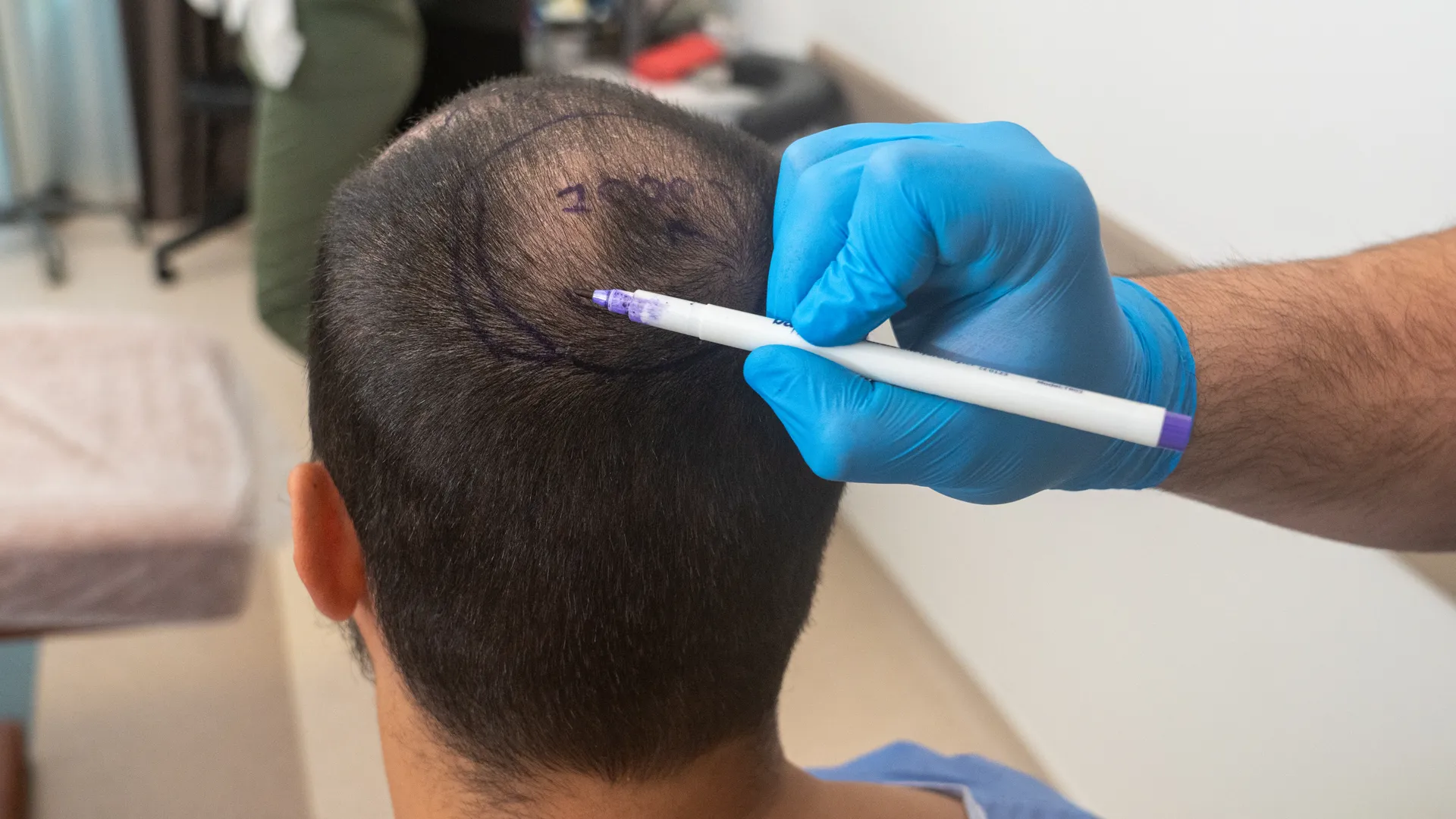
Hair transplant donor area in Turkey is one of the most important factors that determine the success of the procedure and its final results. It is considered the main source of hair follicles that are transferred to areas suffering from baldness or thinning. The quality of the results largely depends on the density of this area, the strength of the follicles, and their suitability for transplantation.
In Turkey, the donor area is carefully evaluated before the procedure using advanced techniques to ensure balanced extraction and maintain a natural appearance. Advanced techniques such as DHI and FUE also contribute to achieving precise results while preserving the donor area and ensuring faster recovery.
Evaluating the donor area is a crucial step before the procedure to select the optimal number of follicles without affecting the natural appearance of the hair.
What is the donor area in hair transplantation?
The donor area is the part from which hair follicles are extracted during the hair transplant procedure. It is usually located at the back of the head, where the hair is more resistant to genetic factors that cause hair loss.
This area is also known as the “safe zone” because it retains its characteristics even after the follicles are transferred to thinning areas, helping achieve natural and long-lasting results.
Choosing the right donor area depends on several factors such as hair density, follicle strength, and distribution. These factors are carefully evaluated by the doctor before the procedure to ensure the best possible outcome.
Watch a detailed explanation about the donor area in hair transplantation:
Where is the donor area located in hair transplantation?
The donor area is typically located at the back of the head and is the most commonly used area in hair transplant procedures due to the strength of its follicles and their resistance to hair loss. In some cases, the sides of the head can also be used to enhance density and achieve balanced distribution.
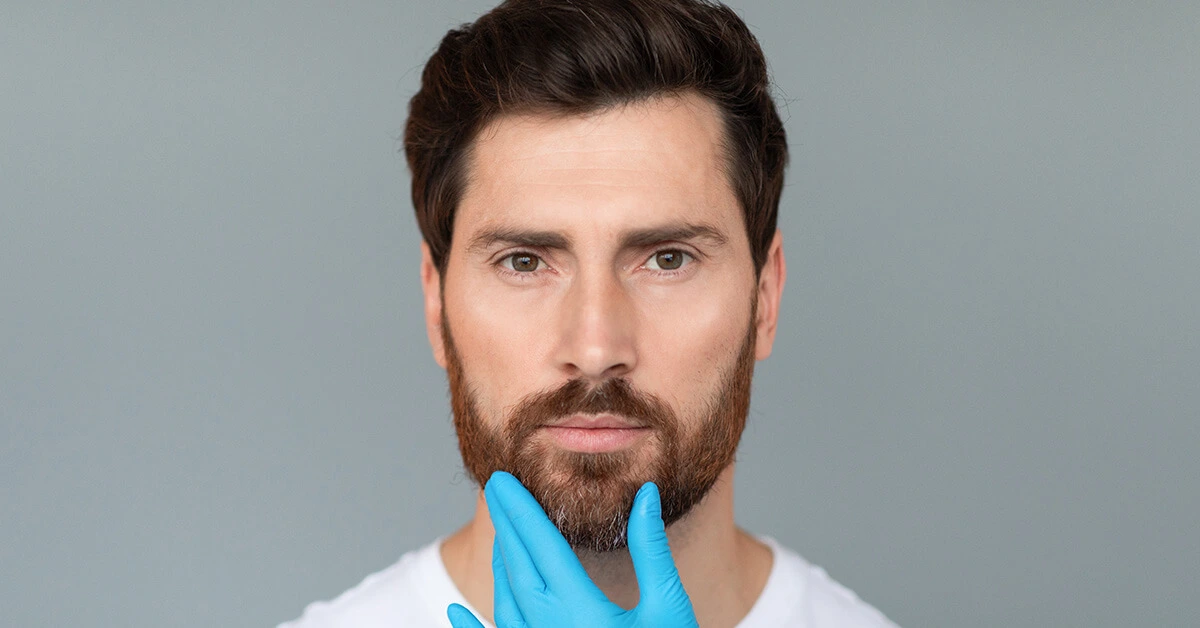
In special cases, when the back area is not sufficient, other areas such as the beard or chest may be used. These areas are selected carefully based on hair characteristics and compatibility with the recipient area.
The selection of the donor area depends on several factors, including hair density, follicle strength, hair type, and the size of the area requiring transplantation. These factors are evaluated carefully to ensure natural and balanced results.
How are the donor area stages performed in hair transplantation?
The donor area goes through several essential stages during the hair transplant procedure in Turkey. It is handled with high precision to preserve its quality and achieve the best possible results. Each step plays a key role in the success of the procedure and the safety of the scalp.
Shaving the donor area
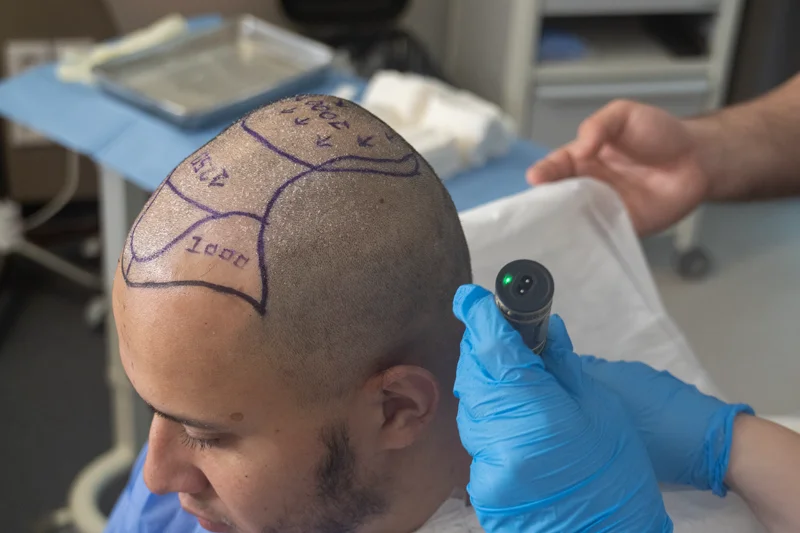
At the beginning, the donor area at the back of the head is shaved to allow easier access to the follicles. This helps the doctor perform the extraction process with higher precision.
Sterilizing the area
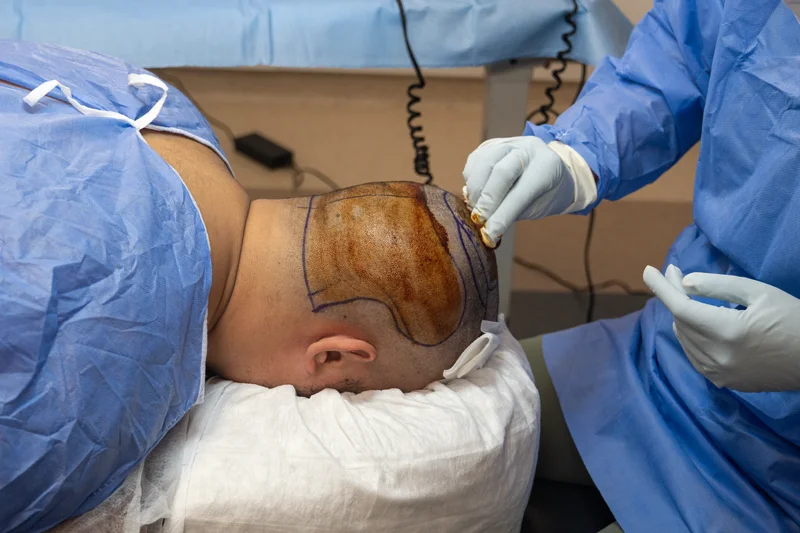
After shaving, the scalp is cleaned and sterilized using special medical solutions to reduce the risk of infection and ensure a safe environment during the procedure.
Local anesthesia
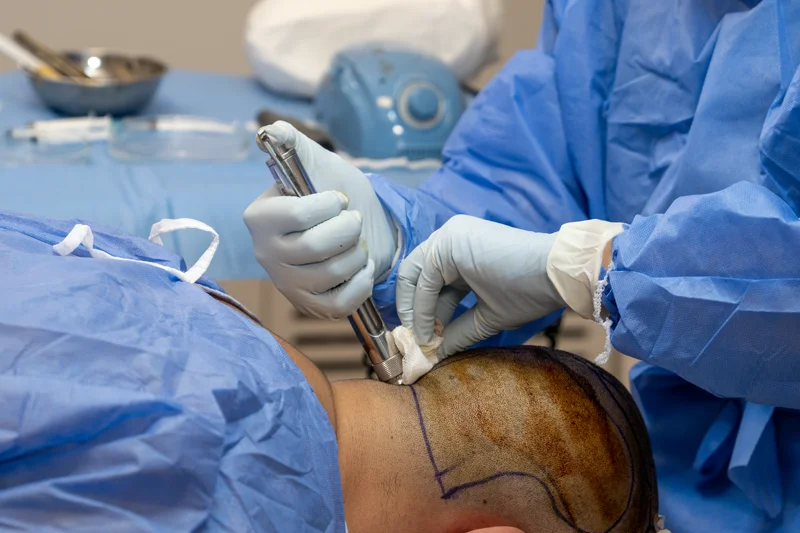
Local anesthesia is applied to the donor area to prevent pain, making the procedure comfortable for the patient throughout the process.
Extracting the follicles
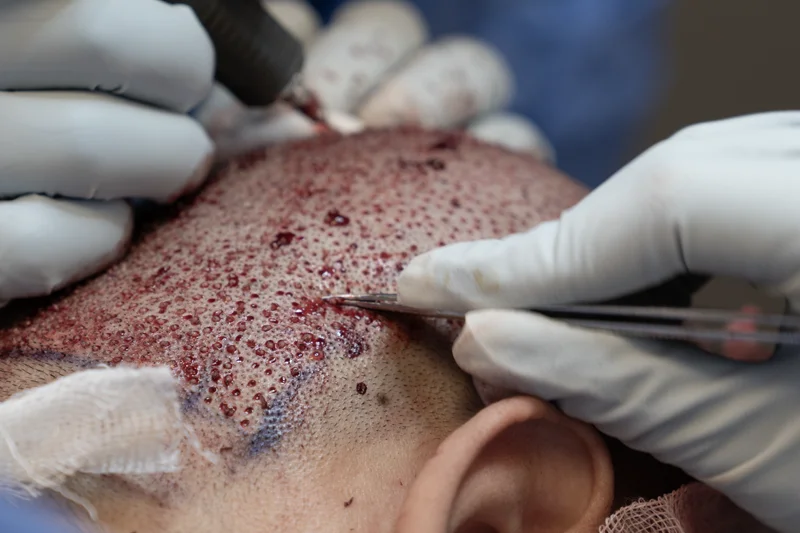
This is one of the most important steps of the procedure, where hair follicles are extracted from the donor area using precise tools such as FUE or DHI techniques while preserving the surrounding tissues.
Covering the donor area after the procedure
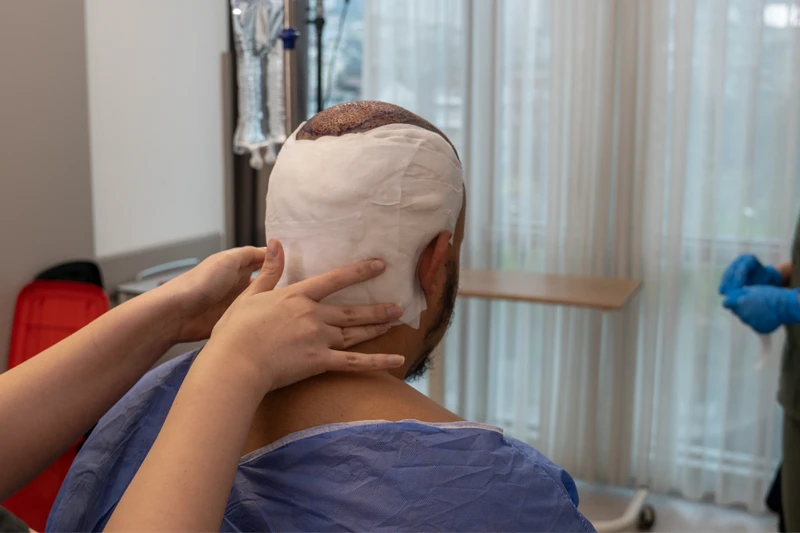
After completing the extraction, the donor area is covered with a medical dressing to protect it and support faster healing.
How many grafts can be extracted?
The number of grafts that can be extracted from the donor area in hair transplantation depends on several factors, including hair density, follicle strength, and the size of the donor area. In most cases, between 3000 to 6000 grafts can be taken in a single session without affecting the overall appearance of the donor area.
The doctor ensures that extraction is performed in a balanced manner to prevent visible gaps and maintain a natural hair density.
In cases that require a higher number of grafts, additional sessions may be planned or alternative donor areas such as the beard or chest may be used, depending on the individual case.
| Donor Area | Approximate Number of Grafts | Importance / Result Quality |
|---|---|---|
| Back of the head | 3000 – 6000 grafts | Best – natural and long-lasting results |
| Sides of the head | 1000 – 2000 grafts | Good – used to support density |
| Beard | 250 – 500 grafts | Strong – suitable for increasing density |
| Chest | 250 – 500 grafts | Lower quality – used in special cases |
The number and quality of grafts vary from person to person. The back of the head is considered the best donor area, while the beard and chest may be used as supportive areas in certain cases.
Does the donor area grow back?
The hair follicles extracted from the donor area during a hair transplant do not grow back in the same location, as they are permanently transferred to the recipient area. However, this does not affect the overall appearance of the donor area, as the extraction process is distributed evenly and carefully to avoid visible gaps.
The density of the donor area is also evaluated before the procedure to determine the appropriate number of grafts that can be safely extracted without affecting the natural look of the hair. In most cases, the donor area maintains a natural appearance after healing, especially when modern techniques such as FUE and DHI are used.
Results may vary from person to person depending on the density of the donor area and hair characteristics.
Is the donor area affected after the procedure?
In most cases, the donor area is not permanently affected after a hair transplant. The scalp typically heals within a few days to a week. Some temporary effects such as redness, swelling, or mild scabbing may occur, but they gradually disappear with proper care.
The extent to which the donor area is affected also depends on the extraction method and the number of grafts taken. Therefore, the doctor ensures a balanced extraction to maintain natural density and avoid any uneven appearance.
With modern techniques such as FUE and DHI, the effects of the procedure become barely noticeable after healing, especially with proper aftercare of the donor area.
Tips for maintaining the donor area
To ensure fast recovery and maintain the health of the donor area after a hair transplant, it is recommended to follow these guidelines:
- Avoid touching or scratching the donor area during the first days after the procedure to prevent irritation or damage to the follicles.
- Follow the washing instructions provided by your doctor and use only the recommended medical products.
- Avoid direct sun exposure for long periods, especially during the first two weeks.
- Avoid intense physical activities that may cause excessive sweating in the early days.
- Take prescribed medications regularly to reduce the risk of infection.
- Avoid wearing tight hats that may put pressure on the donor area.
Following these instructions helps speed up the healing process and maintain a natural appearance of the donor area after the procedure.
To learn more about the hair transplant in Turkey, you can visit the dedicated page. You can also explore the differences between DHI and FUE techniques to choose the most suitable option for your case.
Frequently Asked Questions about Hair Transplant Donor Area in Turkey
Can the donor area be depleted?
The donor area cannot be depleted when the procedure is performed correctly. Grafts are extracted in a balanced and planned manner to maintain natural hair density and avoid visible gaps.
Does hair transplant leave scars in the donor area?
In most cases, hair transplant does not leave permanent scars in the donor area, especially when modern techniques such as FUE and DHI are used. Temporary redness or scabbing may occur but disappears within a short time.
Can the beard be used as a donor area?
Yes, the beard can be used as a donor area in some cases, especially when scalp density is insufficient. Beard follicles are strong and are often used to increase density in transplanted areas.
When does the donor area fully heal?
The donor area starts healing within a few days after the procedure, and in most cases, it recovers within 7 to 10 days. The healing time may vary depending on the individual.
Can hair transplant be performed more than once from the same donor area?
Yes, multiple hair transplant sessions can be performed from the same donor area, provided that there is sufficient density and the condition is properly evaluated by the doctor.
Can the donor area weaken after multiple sessions?
When properly planned, hair transplant does not weaken the donor area. However, excessive graft extraction may lead to slight density reduction.